
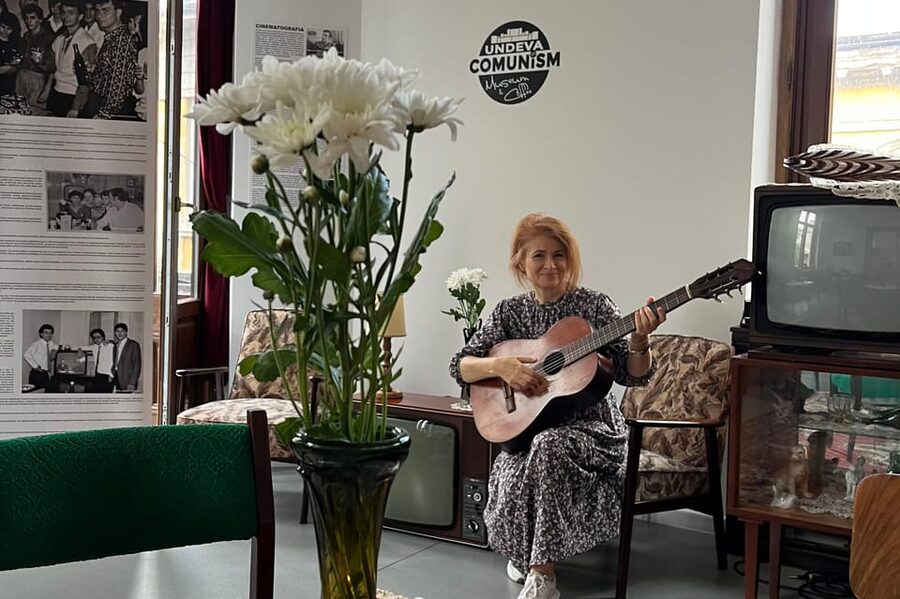
Reviewed · COMMUNIST HISTORY TOURS
Bucharest: Dinner+Tour at Museum of Communism after closing
Communist history is better with supper. This 2.5-hour Bucharest experience combines a guided museum visit with a Romanian meal served inside the exhibits, using old plates and cups from the communist era. I especially like the personal family stories woven into the tour and the chance to handle vintage objects after the museum closes. The main consideration is that the experience is not suitable for wheelchair users, and additional drinks cost extra.
At $55 per person, this is more than a museum ticket and more than a meal. You are paying for a small, unusual evening built around food, conversation, and direct contact with objects from everyday Romanian life. If you want a quick museum stop, this may feel too long. If you want context for what daily life was like under communism, it offers much more than display cases and dates.
In This Review
- Key points at a glance
- What this Bucharest evening is really about
- Walking through the museum after official closing
- The meal in the communist-style living room
- Why food adds something the museum alone cannot
- The guides make or break the evening
- What is included for $55
- Practical details before you book
- Who will enjoy this most
- Should you book this Bucharest experience?
- FAQ
- How long does the Museum of Communism dinner and tour last?
- What food is included?
- Which drinks are included?
- Is the tour conducted in English?
- Can I mention dietary restrictions?
- Is the experience wheelchair accessible?
- Where do I meet the guide?
Key points at a glance
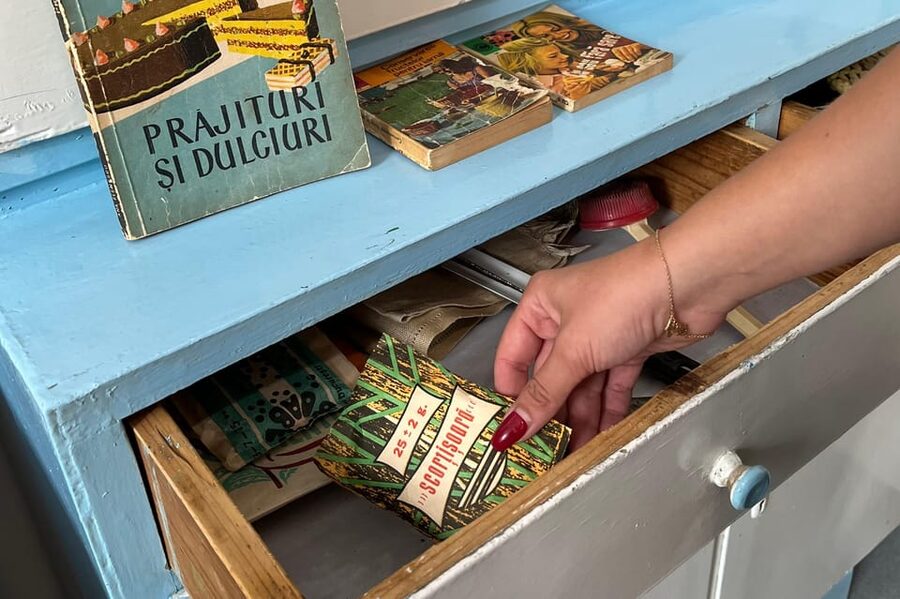
- Dinner inside the museum: Eat in a recreated communist-era living room rather than a standard restaurant.
- After-hours access: Once the formal tour ends, you can try vintage clothes, play records and cassette tapes, and inspect secret drawers.
- Romanian food with historical context: Cold meats, cheese, vegetable spreads, a changing main dish, and homemade sweets are explained as part of the country’s food culture.
- Personal storytelling: Guides such as Catalina, Katerina, Ana, Octavia, Ali, and others connect national events with family memories.
- Drinks included: The evening begins with palinka or cherry liqueur, and the dinner includes a soft drink plus beer or a glass of wine.
- A strong value for history-minded visitors: The meal, drinks, museum admission, live English guide, and private after-hours setting are included for $55.
What this Bucharest evening is really about
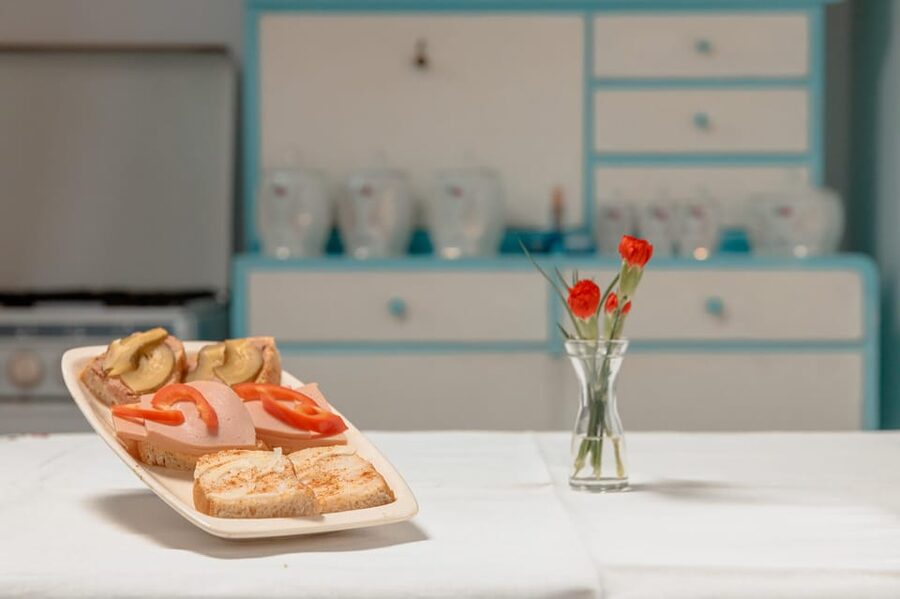
The Museum of Communism in Bucharest focuses on how ordinary Romanian families lived, not only on political leaders and official slogans. That difference matters. You are shown the household side of the period: the kitchen, the living room, the objects people used, and the small routines that shaped daily life.
The evening begins at the museum café-bar. You receive a glass of traditional palinka or cherry liqueur, along with water, soda, or espresso according to your preference. This is a useful start because it gives you time to settle in before the history begins.
The guide then sets out the international situation that helped bring communism to Romania. You get a short introduction, a timeline, and a broad explanation of the era before moving through the museum itself. The structure keeps the tour from becoming a pile of disconnected objects.
I like that the guide does not rely only on dates and political terms. Guides including Catalina, Katerina, Ana, Ali, and Octavia have been praised for combining clear explanations with family anecdotes. That personal angle helps you understand how national decisions reached into homes, kitchens, schools, and family life.
The tone is educational but conversational. You can ask questions during the tour, and the meal gives you more time to discuss Romania’s past and present. English is the tour language.
More communist-era history walks:
- The Real tour of Communism
★ 5.0 · 666 reviews - Life under Communism
★ 5.0 · 358 reviews - 3-Hour Guided Tour of Communist Bucharest
★ 4.9 · 303 reviews
Walking through the museum after official closing
The museum tour is not simply a pass through rooms with labels. The experience is designed to let you interact with the displays once the formal part is finished.
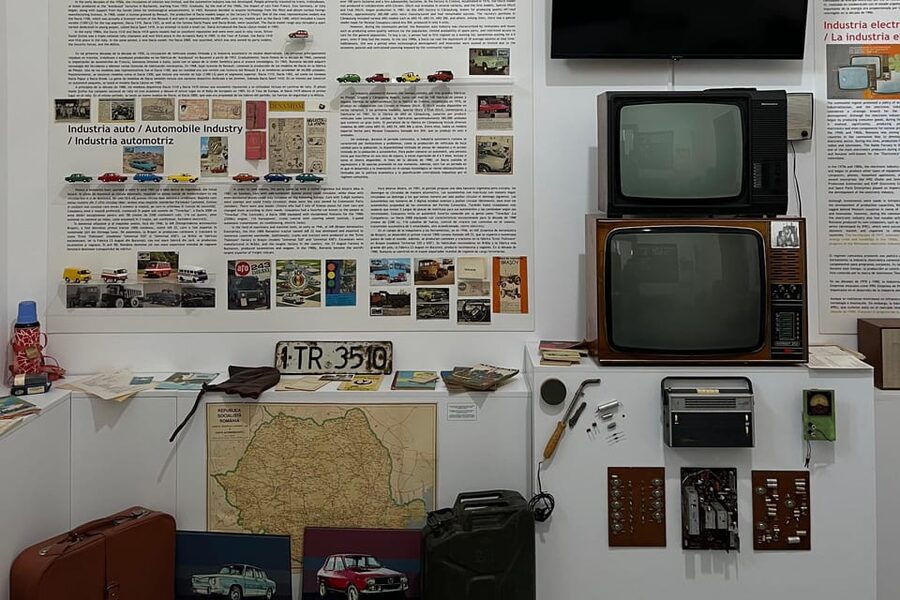
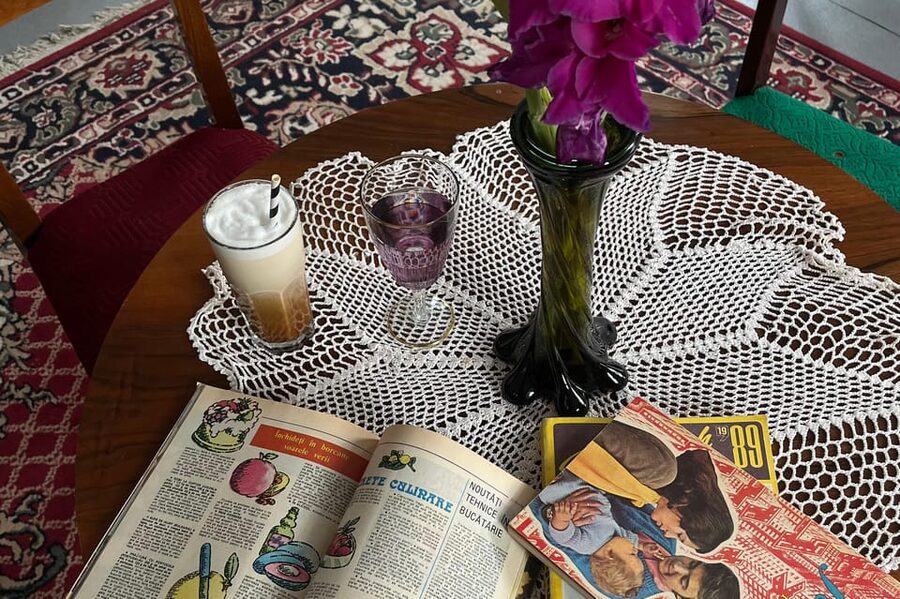
After the guided section, you can try on vintage clothes, listen to music on a record player and cassette player, and open secret drawers. These are small actions, but they change the mood of the visit. Instead of looking at a household from behind a barrier, you get to explore it more directly.
You also have the museum space to yourself during this part of the evening. That makes the experience feel more like a private visit than a regular daytime museum stop. It gives you room to ask questions, inspect details, and take in the setting without rushing to keep up with a line of people.
The interactive features are especially useful for anyone who does not know much about Romanian communism. A formal political lecture can feel distant. Handling clothing, hearing period music, and seeing how rooms were arranged gives you a more practical sense of the era.
There is a limit, of course. This is a focused museum experience, not a full survey of every decade or political event in Romania. The strength is everyday life and personal memory. If you are seeking an academic treatment with extensive archival detail, you may want to pair this evening with another history museum or city tour.
The meal in the communist-style living room
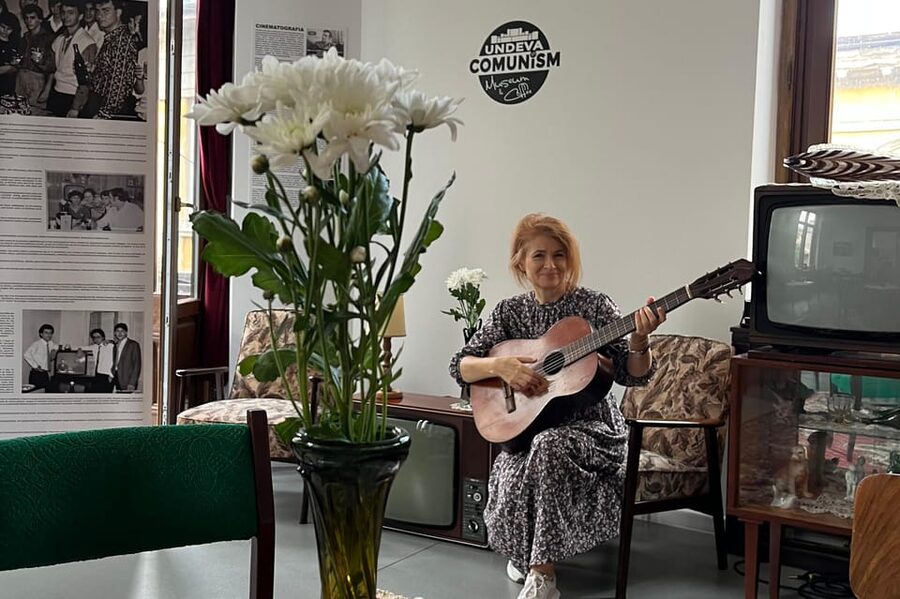
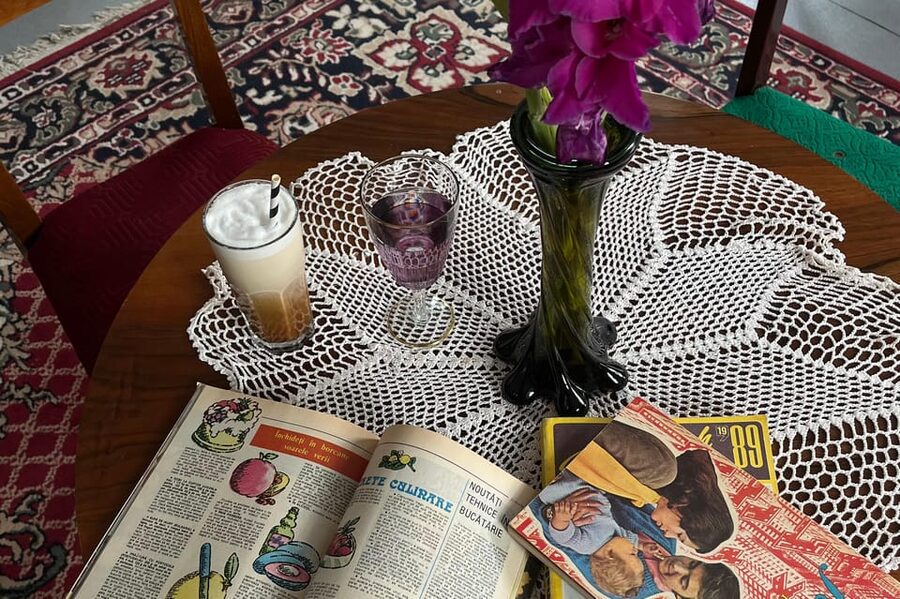
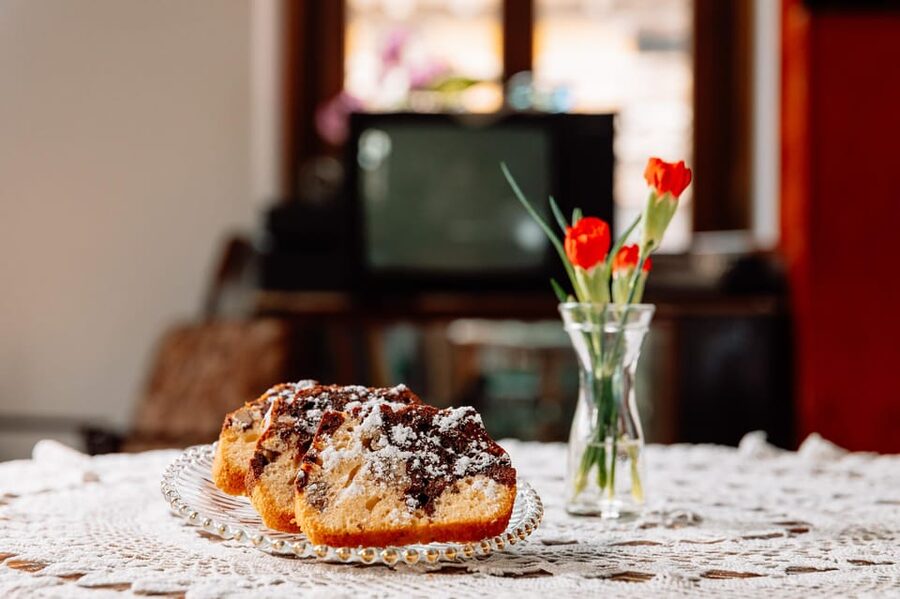
After the museum tour, the group moves to the living room for dinner and dessert. The room is arranged to reflect a Romanian family setting from the 1980s, and the meal is served on old plates and in cups associated with communist times.
This setting gives the food a purpose beyond simple refreshment. The guide explains where the dishes come from and how they are traditionally prepared. You learn how Romanian gastronomy changed during the communist period, including which foods were common at home and which sweets were made for family occasions.
The dinner includes:
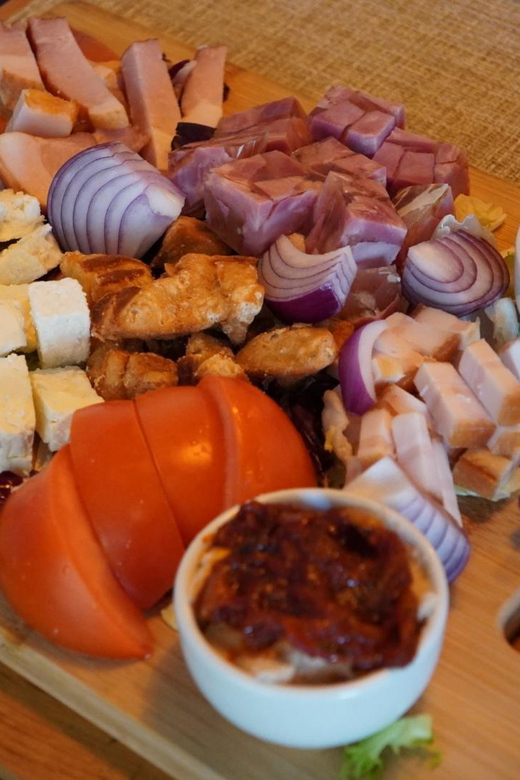
- Cold meats, cheese, and traditional vegetable spreads
- A main dish that changes according to availability
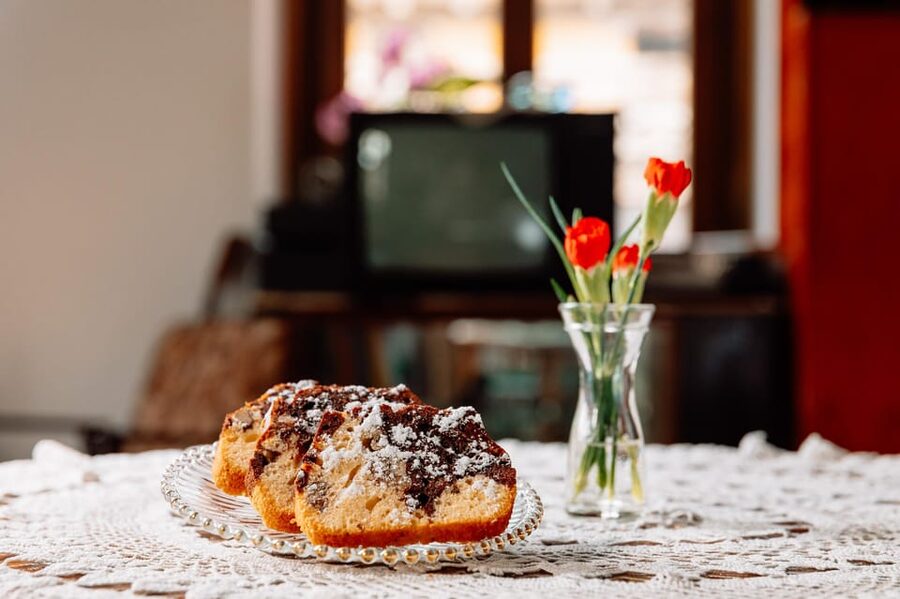
- Homemade-style sweets
- One soft drink
- One traditional liquor
- Beer or one glass of wine
The main course is not fixed, so you should expect some variation. That is worth knowing if you prefer to choose a particular dish in advance. The flexible menu also fits the character of the evening, which is based on home cooking rather than a restaurant tasting menu.
The sweets are described as typical homemade treats rather than polished restaurant desserts. I see that as a strength for this kind of tour. You are not being promised fine dining. You are getting food tied to household traditions and the period being discussed.
Several visitors have singled out the meal as plentiful, tasty, and home cooked. One particularly useful detail is that the dinner was prepared with family involvement, including help from the guide’s mother and husband on different occasions. That helps explain why the meal feels connected to the stories rather than added as a separate catering service.
If you have dietary restrictions, mention them when booking. A gluten-free option has been provided for at least one participant, but the available choices are not fully specified, so you should not wait until the dinner begins to raise the issue.
Why food adds something the museum alone cannot
Food is a practical way to discuss an era. A political system affects what people can buy, what they save for special occasions, what they cook at home, and how they share meals with relatives. The guide uses the dinner to explain those changes in Romanian food culture.
You may taste familiar elements of Romanian cooking, including cured meats, cheeses, vegetable spreads, a traditional main course, liqueurs, and sweets. The point is not to sample every regional specialty. It is to connect a few foods with memory, availability, and family life.
The meal also keeps the history moving. You can ask why a dish became popular, how it was prepared, or what people ate during the communist years. Conversation at the table adds detail that a standard tour often lacks.
I would not book this solely for the food if your main goal is an ambitious Romanian culinary tour. The menu varies, and the food is presented as traditional home cooking. But if you want an evening where dinner helps explain the past, the pairing works very well.
A few more trips worth weighing up before you book
- Bucharest: Dinner at the Museum of Communism & tour after closing
★ 5.0 · 24 reviews - Bucharest Evening Tour and Traditional Dinner
★ 4.5 · 19 reviews - Bucharest Evening Tour and Traditional Dinner – 3 hours
★ 5.0 · 9 reviews - Bucharest: VIP Dining, Limo ride & Clubbing
★ 4.7 · 3 reviews
The guides make or break the evening
The strongest part of this experience is the guide’s role. The museum provides the setting, but the guide supplies the links between objects, events, and real lives.
Catalina has been praised for her enthusiasm and for making the history feel personal. Katerina has been described as striking the right balance between guided explanation and free time. Ana was noted for being friendly, helpful, and able to bring both the exhibits and Romanian food to life.
Ali was praised for his humor and command of the communist period. Octavia has also received strong comments for being engaging and welcoming. The repeated pattern is clear: the quality of the evening depends heavily on the person leading it.
That is not a warning so much as useful advice. Come ready to ask questions. The format is built for conversation, and you will get more from it if you ask about family life, food shortages, music, clothing, or the transition after communism.
The experience can also suit solo visitors. A past participant found the dinner a good place to meet other solo people and make connections. The communal meal and open discussion make it less formal than a lecture.
What is included for $55
The $55 price includes the museum entrance, the English-language guided tour, the complete dinner, dessert, and the stated drinks. You also receive the after-hours interactive time, which is the feature that separates this from a normal museum admission.
For a simple comparison, you are combining several paid elements into one evening:
- Museum access
- A live historical tour
- A traditional Romanian meal
- Dessert
- A soft drink
- Palinka or cherry liqueur
- Beer or a glass of wine
- Extra time with the museum objects after closing
Other drinks can be bought at the bar, but they are not part of the included package. If you plan to order more, bring that extra cost into your budget.
I consider the price fair for visitors who would otherwise pay separately for a museum visit and a Romanian dinner. The value rises if you care about personal storytelling and hands-on access. It is less attractive if you only want a cheap meal or a fast look at communist-era objects.
The tour lasts 2.5 hours, so it takes a meaningful portion of an evening. That length is useful because the history, museum tour, dinner, and free exploration would feel rushed if compressed into a shorter slot.
Practical details before you book
You enter the museum directly and tell the bar staff about your reservation. Starting times vary, so check availability for the date you want.
The activity offers free cancellation up to 24 hours before the start time, and you can reserve now and pay later. Those terms are helpful if your Bucharest schedule is still shifting.
The experience is conducted in English. You should mention dietary restrictions in advance, especially if you need gluten-free food or have other needs.
The museum is not suitable for wheelchair users. This is important to check before booking, since the activity includes movement through the museum and dinner area.
Because the event takes place after official closing, it is best suited to people who want a planned evening rather than an open-ended night out. You may also want to avoid scheduling another fixed dinner immediately afterward, since the meal is part of the experience and the timing is designed to unfold at a relaxed pace.
Who will enjoy this most
I would recommend this evening to anyone interested in 20th-century European history, especially visitors who want to understand communism through ordinary household life.
It is also a strong choice if you prefer small-scale cultural activities over large sightseeing programs. The setting is intimate, the group can talk with the guide, and the objects are not treated as untouchable decoration.
Food-focused visitors should enjoy the discussion of Romanian cooking, but they should come with the right expectations. This is traditional home-style food with a historical explanation, not a formal restaurant menu with guaranteed courses.
Families, couples, and solo visitors can all fit the format. The open questions and shared table help solo participants meet people, while couples and families get a chance to discuss the past together.
You may want to skip it if you dislike guided conversation, cannot eat the available food, need wheelchair access, or prefer a short museum visit with no dinner component. The tour is deliberately social and personal.
Should you book this Bucharest experience?
I would book it if you want one evening that joins Romanian history, food, and conversation in a setting you cannot easily reproduce on your own. The best parts are the personal stories, the old household objects, and the freedom to handle selected exhibits after the guided tour.
At $55, the package is good value when you count the admission, guide, meal, dessert, and drinks. It also gives you a clearer picture of communist-era life than a standard museum visit may provide.
Book it especially if Catalina, Katerina, Ana, Ali, or another well-regarded guide is scheduled, though guide availability can vary. Tell the organizers about dietary restrictions, check the accessibility limits, and allow the full 2.5 hours.
If you want a polished restaurant meal or a strictly academic history lecture, choose something else. If you want to sit in a communist-style living room, taste Romanian home cooking, and ask direct questions about how the period affected families, this is a memorable and well-priced Bucharest night.
FAQ
How long does the Museum of Communism dinner and tour last?
The activity lasts 2.5 hours, including the museum tour, dinner, dessert, and time to interact with the exhibits after closing.
What food is included?
The dinner includes traditional Romanian starters such as cold meats, cheese, and vegetable spreads, followed by a main dish that varies with availability. Homemade-style sweets are served for dessert.
Which drinks are included?
You receive one soft drink, one traditional liquor, and one alcoholic drink, either beer or one glass of wine. At the beginning, the traditional liquor is palinka or cherry liqueur. Other drinks can be bought at the bar.
Is the tour conducted in English?
Yes. The live guided tour is conducted in English.
Can I mention dietary restrictions?
Yes. You should mention any dietary restrictions when booking. Gluten-free food has been provided, though the available options may vary.
Is the experience wheelchair accessible?
No. The activity is not suitable for wheelchair users.
Where do I meet the guide?
Enter the museum directly and inform the staff at the bar about your reservation.
More Museums
- Bucharest: Museum of Senses Entry Ticket
★ 4.2 · 364 reviews - Communism in Bucharest – Landmarks, Museum & Communist Appetizers
★ 5.0 · 111 reviews - Bucharest: Entry ticket at the Museum of Communism
★ 4.6 · 57 reviews - Bucharest: Museum of Communism Ticket with Communist Coffee
★ 4.6 · 52 reviews
More Dining Experiences
- Probably the Best Restaurant and Wine Cellar near Bucharest
★ 4.5 · 3 reviews
Just added around Bucharest
- 10 hours Private Apiary Tour in Romania – From Bucharest★ 5.0 · 3 reviews
- 4-Day Inside Transylvania & Transfagarasan Tour from Bucharest★ 5.0 · 3 reviews
- Bucharest: Charm of the Belle Époque Private Tour★ 5.0 · 3 reviews
- Bran & Peles Castles through the Best Road in the World: Transfagarasan road★ 4.5 · 3 reviews
- 2-Day Small-Group Tour in Transylvania from Bucharest – Maximum 5 Persons★ 5.0 · 3 reviews
- Private Wine Tasting at Bucharest’s First Wine Bar★ 5.0 · 3 reviews
- Bucharest to Brasov – Fast Private Transfer★ 5.0 · 3 reviews
- Probably the Best Restaurant and Wine Cellar near Bucharest★ 4.5 · 3 reviews
Communist History Tours, compared.




Bucharest Essential Tour: Old Town, Calea Victoriei & Communism
Read our review →
Communism in Bucharest – Landmarks, Museum & Communist Appetizers
Read our review →


Browse the lists this tour appears in