
Reviewed · COMMUNIST HISTORY TOURS
Bucharest: Private Last Days of Ceausescu Tour in a Dacia
History can feel startlingly close. This private tour follows Nicolae and Elena Ceausescu’s final day in a restored Dacia, linking Bucharest’s Revolution Square with the route to Târgoviște, where their escape ended. I like the personal guide-led storytelling and the chance to see several important locations in one carefully connected trip. I also like that the vintage car is not just decoration: it gives the day a strong connection to everyday Romania under communism.
The main drawback is the long drive and the subject matter. You spend much of the six-hour outing on the road, and some stops are simple or restricted, including the execution building, which cannot be entered because of renovation. The tour is also not suitable for children under 10, pregnant women, people with back or heart problems, or people over 70.
In This Review
- Key points to know before booking
- Why this tour is different from a normal Bucharest outing
- Starting at Revolution Square in Bucharest
- Riding in a classic Dacia
- The secret stops and the failed escape
- Târgoviște and the Ceausescus’ last hours
- Returning to Bucharest and entering Primăverii Palace
- The guide makes or breaks the experience
- What the $223 price means
- Who should book this Dacia tour
- Should you book it?
- FAQ
- How long does the Ceausescu tour last?
- Where does the tour start?
- What language is the tour offered in?
- Is this a private tour?
- How far does the Dacia route travel?
- How many people can ride in one Dacia?
- Is admission to the Palace Primăverii included?
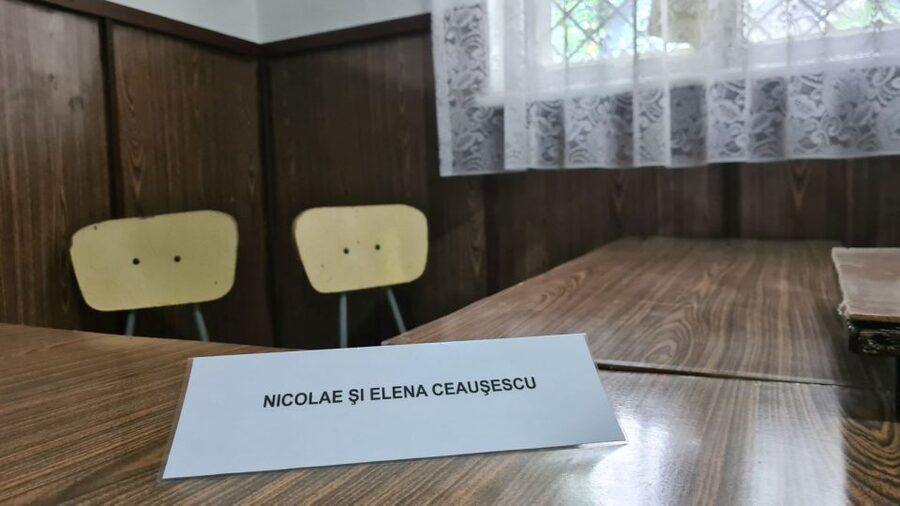
- Can you enter the building where Ceausescu was executed?
- What should you bring?
- Who should not book this tour?
Key points to know before booking
- A 180-kilometer private circuit: The route leaves Bucharest for Târgoviște and returns, so this is much more than a city sightseeing ride.
- A restored classic Dacia: The car adds a genuine Romanian touch, though the trip may be arranged as a convoy if more than two people join.
- Revolution Square sets the scene: You begin where the Communist regime began to collapse on December 22, 1989.
- The escape route becomes the story: You follow the helicopter departure, the abandoned aircraft, and the attempt to find support outside Bucharest.
- Primăverii Palace is included: The former private residence of Nicolae and Elena Ceausescu provides a contrasting look at their protected life.
- Guide Serban earns special praise: His friendly, flexible approach and ability to explain the history clearly are major strengths of the experience.
Why this tour is different from a normal Bucharest outing
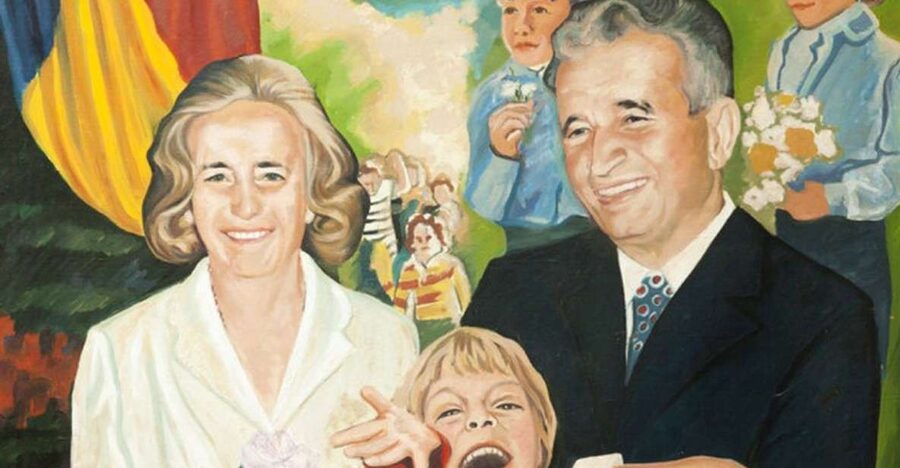
Many Bucharest tours focus on grand buildings, old streets, or the enormous Palace of Parliament. This one follows a single day of political collapse. You are not simply visiting separate sights. You are tracing a chain of decisions made under extreme pressure.
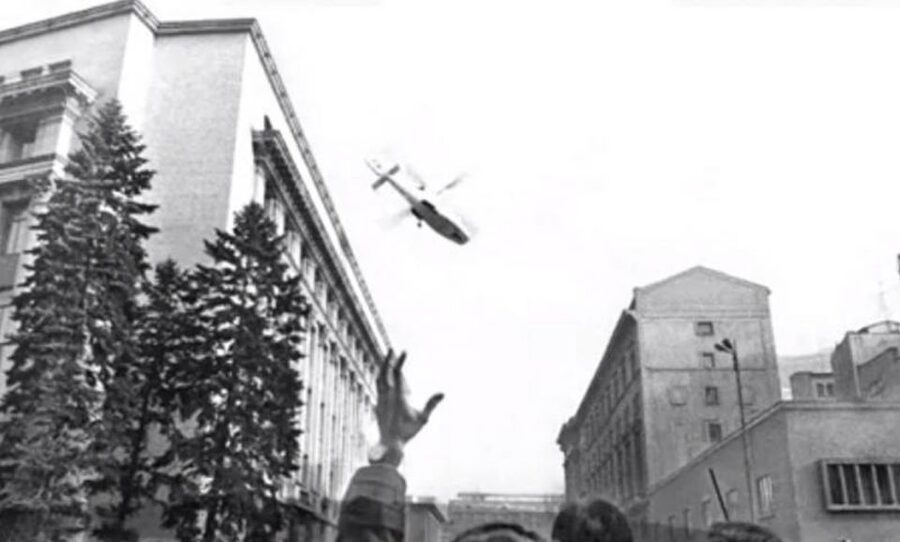
On December 22, 1989, Nicolae Ceausescu and Elena fled from the roof of the Communist Party headquarters at 12:07 p.m. A crowd of roughly 100,000 people had gathered outside, demanding his resignation. The helicopter escape was meant to preserve his power, but the plan quickly fell apart.
The tour follows what happened next. Ceausescu headed away from Bucharest toward Pitesti and Târgoviște, hoping to find support among workers and the army. He abandoned the helicopter, continued in a Dacia, tried to organize help at key locations, and was eventually arrested near Târgoviște.
That structure gives the tour emotional weight. You see the fear and confusion of a leader who had held power for nearly 24 years, then watch his options shrink from a helicopter escape to a desperate search for assistance. I find this more useful than a simple list of dates because each stop answers a practical question: where was he, what was he trying to do, and why did the plan fail?
More communist-era history walks:
- The Real tour of Communism
★ 5.0 · 666 reviews - Life under Communism
★ 5.0 · 358 reviews - 3-Hour Guided Tour of Communist Bucharest
★ 4.9 · 303 reviews
Starting at Revolution Square in Bucharest
The tour starts with pickup in Bucharest, followed by a guided visit to Revolution Square. Allow about 40 minutes here for photographs, explanation, and orientation.
This is the right place to begin. The square was the setting for Ceausescu’s final public speech and the first major break in his control. The tour presents it as the place where communism both began and ended in Romania, a compact way of describing its political importance.
You should pay attention to the contrast between the official setting and the crowd that turned against him. Ceausescu was accustomed to carefully managed public appearances. On this day, the gathering outside the Communist Party headquarters became a direct threat, and the famous speech broke down as the crowd reacted against him.
The guide’s explanation matters here. The square itself does not tell the full story. You need someone to connect the buildings, the balcony, the crowd, and the sudden helicopter departure. A strong guide can turn a photo stop into the opening scene of the entire trip.
Riding in a classic Dacia
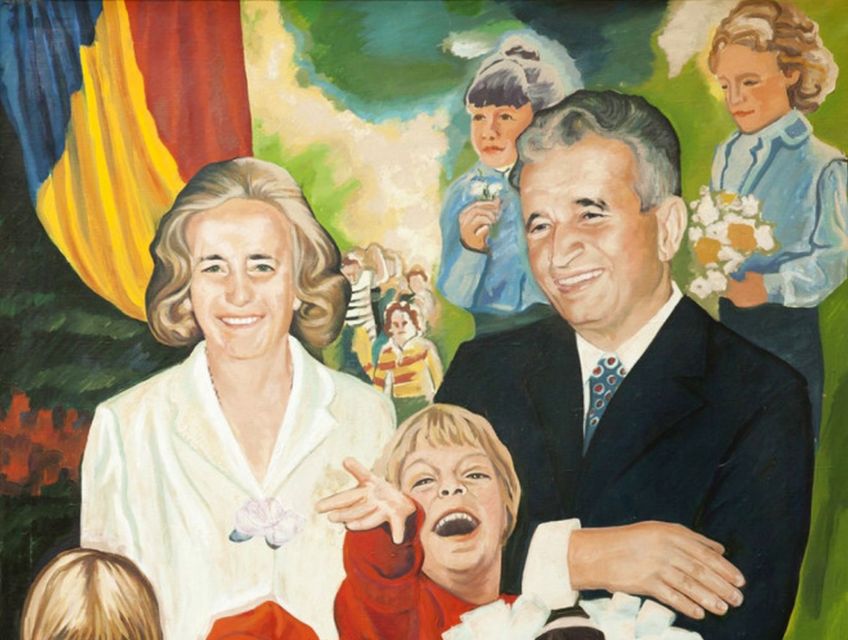
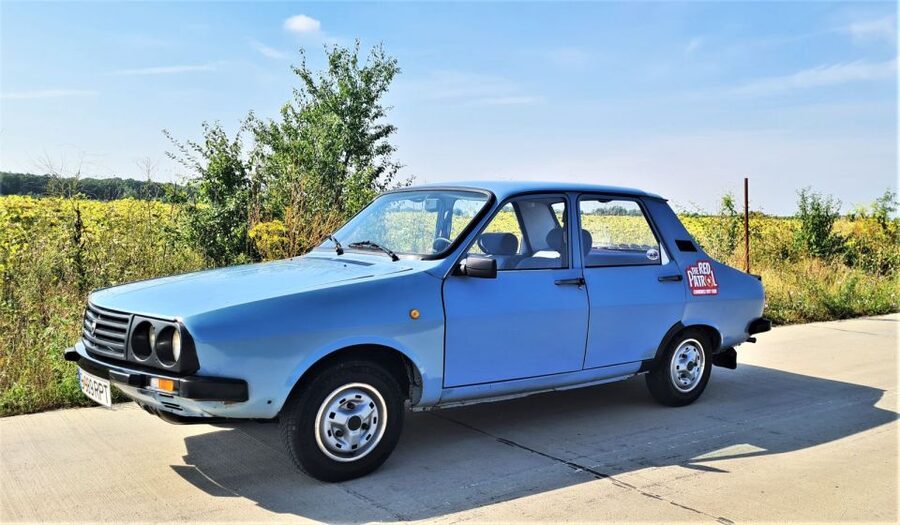
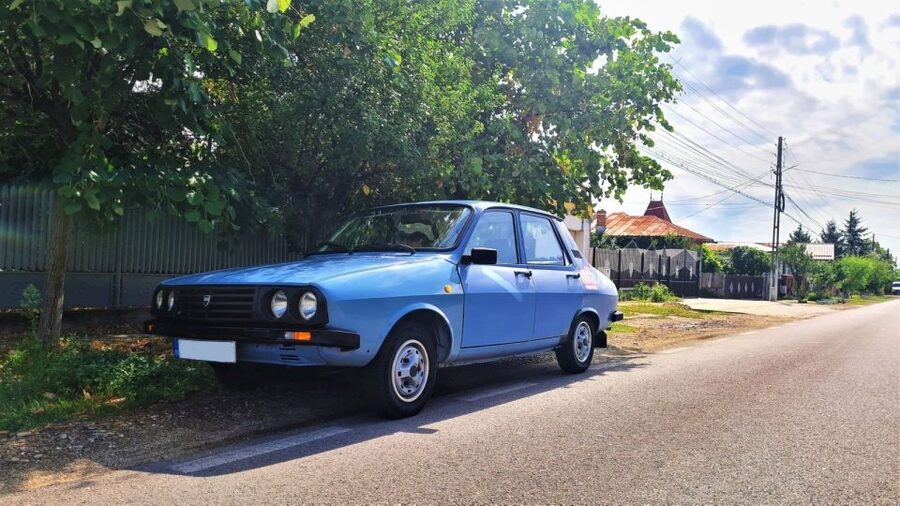
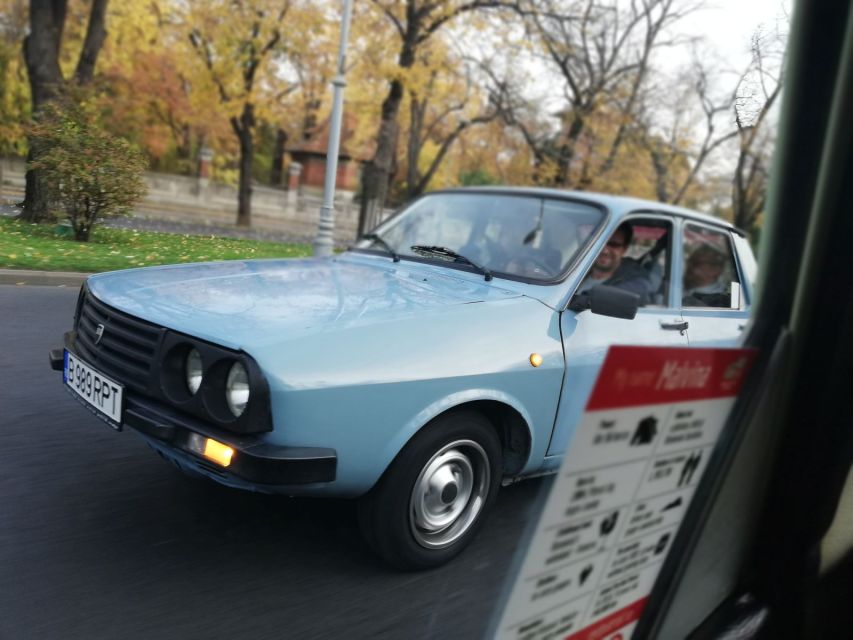
The restored Dacia is one of the tour’s most memorable features. It is a car that made everyday transport possible for generations of Romanians, so it fits the subject better than a standard modern minibus would.
The car also changes the pace of sightseeing. You sit close to the road and get a more direct sense of the journey between Bucharest and Târgoviște. Water is provided, and the vehicle is used for the full route, listed as 180 kilometers in total. The main route toward Târgoviște is described as about 90 kilometers, with the return trip completing the circuit.
Comfort is worth considering. One person who took the tour found the Dacia more comfortable than expected, but the supplied restrictions are clear: the experience is not suitable for people with back problems or heart problems. The operator also advises against booking if you are over 70 or pregnant.
For groups of more than two, the operator uses two or three Dacias in convoy, with three people per car. That keeps the outing private, but it may mean you are not all in one vehicle. Ask about the vehicle arrangement when booking if this matters to you.
The secret stops and the failed escape

After Revolution Square, the route heads out of Bucharest toward Târgoviște. Two stops are described as secret locations, lasting about 15 minutes and 10 minutes. Their purpose is to explain the next stage of the escape and to show where Ceausescu tried to regain control.
One stop marks the place where he abandoned the helicopter and continued his flight by Dacia. This is a strong moment in the route because the change of vehicle mirrors the collapse of his authority. A helicopter suggests command and reach. A borrowed or commandeered car suggests urgency, confusion, and shrinking choices.
The guide also explains the places Ceausescu visited while trying to find support. The steel factory and a militia station are especially important. He hoped the working class and security forces might rally around him, but the effort failed and he was arrested.
These locations may not look impressive in the usual sightseeing sense. Do not book this tour expecting grand interiors or polished museum displays at every stop. Their value comes from the story attached to them, and that story is best understood with a guide who can explain the sequence.
The tour format lets you get out at the main stops for photographs and short walks. That gives you a better connection to the places than simply passing them through a car window, while keeping the day moving.
A few more trips worth weighing up before you book
- Bucharest: Dracula’s Castle, Peles Castle, & Brasov Old Town
★ 4.5 · 17,858 reviews - Bucharest: Dracula Castle, Peles Castle & Brasov Old Town
★ 4.6 · 10,891 reviews - Bucharest: Dracula’s Castle, Peleș Castle & Brașov Day Trip
★ 4.5 · 5,919 reviews - Bucharest: Palace of Parliament Tickets and Guide
★ 4.3 · 3,182 reviews
Târgoviște and the Ceausescus’ last hours
The Ceausescu Last Hours Museum is scheduled for about 25 minutes. This stop focuses on the period after the escape ended, when Nicolae and Elena were detained before their trial and execution.
The building associated with their detention, judgment, and execution is a difficult part of the trip. It is also the point where the political story becomes personal and grim. The tour does not treat the end as a neat historical footnote. It follows the fear, uncertainty, and attempts to recover power that marked those final hours.
Interior access to the execution building is not available because of renovation. That limitation should be clear before you pay. You can still visit the site and receive a guided explanation, but you will not walk through the execution room itself.
The short museum visit works best as part of the wider route. On its own, 25 minutes would be brief. After following the escape from Bucharest, however, the stop gives the final section of the story a physical setting.
The Ceausescus were executed on December 25, 1989. The tour deals with this event directly, so it may not suit anyone looking for a light or family-friendly history outing. The minimum age is 10, and parents should consider the emotional weight of the subject before booking.
Returning to Bucharest and entering Primăverii Palace
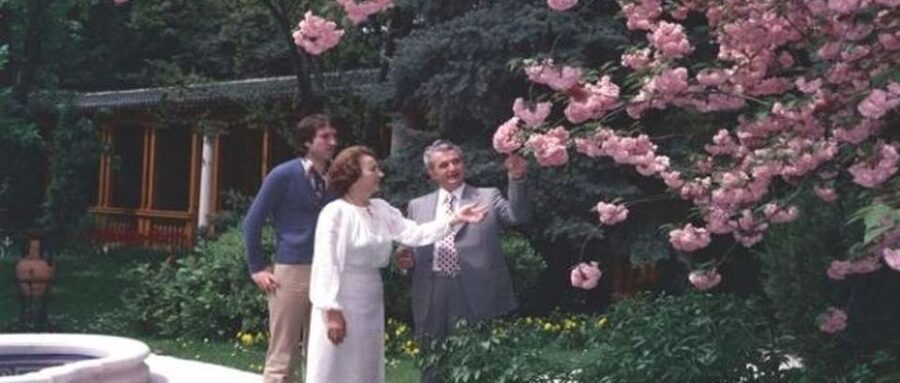
The tour returns to Bucharest for a guided visit to the Palace Primăverii, also called the House of Ceausescu. Allow about one hour for the visit, and note that admission is included.
This former private residence offers a sharp contrast to the difficult roadside locations. Nicolae and Elena Ceausescu lived here from 1965 to 1989, protected from much of the hardship faced by ordinary Romanians. The palace helps you understand the gap between the public image of austerity and the private world of the ruling family.
I consider this one of the strongest parts of the day because it adds balance. The tour is not only about the final collapse. It also shows the level of privilege and separation that came before it. Seeing the residence after following the escape route creates a clear before-and-after picture.
The Palace Primăverii visit is guided rather than simply a quick photo stop. The included ticket also improves the value of the package, especially for visitors who would otherwise need to arrange a separate visit. You should still expect the day to be tiring, since the palace comes after a long drive and several history-heavy stops.
The guide makes or breaks the experience
This is a private tour, with an English-speaking local guide and driver. That matters because the subject contains many details, changing locations, and political motives that are hard to follow without context.
Serban is singled out for his friendly and flexible style. His explanations are described as clear and personal, with room to adjust the information to your interests. That is useful if you want more than a fixed speech about communism. You can ask about the Ceausescus, the Revolution, the Dacia, or the places along the route.
A tour newspaper and a personalized gift are included, along with bottled water in the car. These are small extras, but they make the long outing feel more considered. The strongest benefit remains the guide’s ability to link the stops into one story.
The private format also lets you ask questions without holding up a large group. If you have a strong interest in Cold War Romania, political history, or the 1989 Revolution, this is far more flexible than a standard coach tour.
What the $223 price means
At $223 per person, this is not a budget Bucharest activity. The value depends heavily on your interests and on how many people are in your private group.
The price includes hotel pickup and drop-off in Bucharest, an English-speaking guide and driver, transport for the full 180-kilometer route, the classic Dacia, the museum and site visits, the Palace Primăverii entrance, water, a tour newspaper, and a personalized gift. You are paying for a full-day private service rather than a short city excursion.
For one or two people who want a focused history experience, the cost can make sense. You get transport beyond Bucharest, a guide for the whole route, and a private group rather than a large bus. If you are mainly interested in Bucharest’s central sights, the price is harder to justify because much of the day takes place outside the city.
Lunch and toilet breaks are made during the outing, according to the experience details. The exact timing is not fixed in the information provided, so plan for a full day rather than a tightly timed six-hour city tour.
The advertised duration is six hours, while the detailed description calls it a 5.5-hour tour. With a 180-kilometer drive, several stops, and a palace visit, allow some flexibility around the stated time.
Who should book this Dacia tour
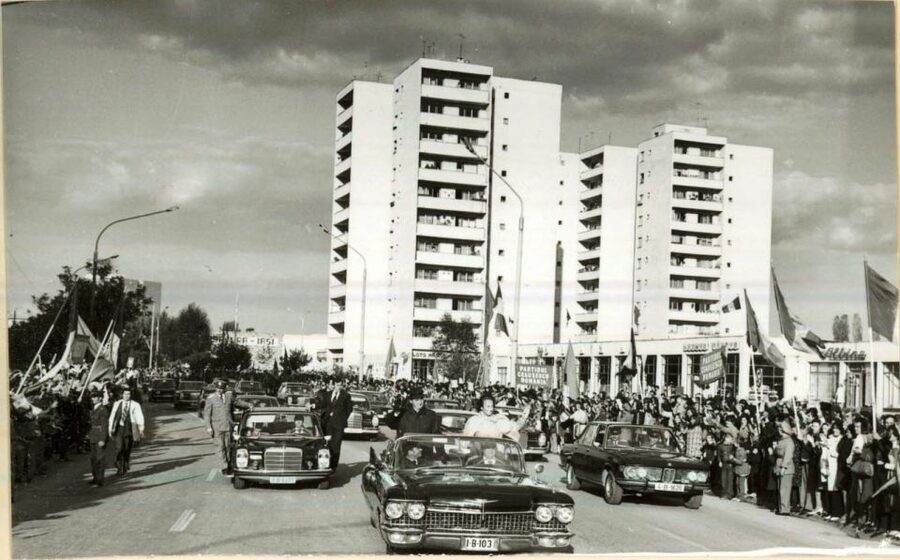
I would recommend it most strongly to adults interested in Romania’s communist period and the 1989 Revolution. It suits you if you prefer a story-driven day, unusual transport, and sites that matter because of what happened there rather than because they are visually grand.
It is also a good choice if you have already seen central Bucharest and want to understand the country beyond its main streets. The route gives you a different view of Romania, tied to political change and the final collapse of a dictatorship.
The tour is less suitable if you dislike long car journeys, want lots of time at each site, or prefer a relaxed food-and-architecture outing. It is not designed for young children, and the physical restrictions are important. A vintage car may be part of the appeal, but it is not the best choice for anyone who needs extra support or easy access.
Bring a passport or ID card. Be ready 10 minutes before pickup, and check the starting time when booking. Free cancellation is available up to 24 hours before the tour, and you can reserve while paying later, which helps if your Bucharest plans are still changing.
Should you book it?
Book this tour if you want to follow Ceausescu’s last day as a connected story, not just read about it in a museum. The vintage Dacia, the private guide, the route to Târgoviște, and the included Palace Primăverii visit give the experience a clear identity.
I would skip it if your Bucharest visit is short and you want to stay within the city center. I would also think twice if long drives or the execution story will make the day uncomfortable.
For the right audience, this is a memorable and unusually direct way to understand Romania’s 1989 Revolution. Serban’s personal guiding style, the Dacia convoy option, and the chance to visit both the final escape route and the former presidential residence make the $223 price easier to defend for history-minded visitors.
FAQ
How long does the Ceausescu tour last?
The activity is listed as six hours, while the detailed tour description gives a duration of about 5.5 hours. Check the available starting times when booking.
Where does the tour start?
Pickup is provided from Bucharest, including hotel pickup and drop-off.
What language is the tour offered in?
The live tour guide speaks English.
Is this a private tour?
Yes. It is offered for a private group.
How far does the Dacia route travel?
Transportation is provided for about 180 kilometers in total. The route toward Târgoviște is described as approximately 90 kilometers, followed by the return to Bucharest.
How many people can ride in one Dacia?
The standard arrangement is three people per car. If more than two people book, the operator may use a convoy of two or three classic Dacia cars.
Is admission to the Palace Primăverii included?
Yes. Entrance to the Primăverii Palace Museum is included, along with a guided visit.
Can you enter the building where Ceausescu was executed?
No. The building is not accessible inside because it is undergoing renovation. The site can still be visited as part of the tour.
What should you bring?
Bring your passport or ID card, and be ready 10 minutes before pickup.
Who should not book this tour?
The activity is not suitable for children under 10, pregnant women, people with back or heart problems, or people over 70. Pets, baby strollers, alcohol, drugs, and baby carriages are not allowed.
Just added around Bucharest
- 4-Day Inside Transylvania & Transfagarasan Tour from Bucharest★ 5.0 · 3 reviews
- 10 hours Private Apiary Tour in Romania – From Bucharest★ 5.0 · 3 reviews
- Bucharest: Charm of the Belle Époque Private Tour★ 5.0 · 3 reviews
- Bran & Peles Castles through the Best Road in the World: Transfagarasan road★ 4.5 · 3 reviews
- 2-Day Small-Group Tour in Transylvania from Bucharest – Maximum 5 Persons★ 5.0 · 3 reviews
- Private Wine Tasting at Bucharest’s First Wine Bar★ 5.0 · 3 reviews
- Bucharest to Brasov – Fast Private Transfer★ 5.0 · 3 reviews
- Probably the Best Restaurant and Wine Cellar near Bucharest★ 4.5 · 3 reviews
Communist History Tours, compared.




Bucharest Essential Tour: Old Town, Calea Victoriei & Communism
Read our review →
Communism in Bucharest – Landmarks, Museum & Communist Appetizers
Read our review →


Browse the lists this tour appears in