
Reviewed · COMMUNIST HISTORY TOURS
Bucharest: Communist Tour including Ceausescu Residence
Bucharest tells its communist story in concrete. I like the way this seven-hour private tour links metro stations, a working-class neighborhood, the Palace of the Parliament, and the Ceausescu family home. I also like having a car or minibus, since these sites are spread across the city. The main drawback is the $256 price, which feels high for one person, especially if Parliament entry involves a long wait or a promised stop, such as the mansion bunker, is not available.
The tour gives you more than grand rooms and famous names. You see how a dictatorship reshaped daily life, from transportation and housing to monumental government buildings. Guides Claudia, George, and Marcel have all drawn strong praise, with Claudia especially noted for clear English and detailed explanations.
Allow seven hours, wear comfortable shoes, and bring your passport or ID card. Reservations must be made at least 48 hours ahead. The Spring Palace opens Wednesday through Sunday, from 10:00 AM to 6:00 PM, so the tour date matters.
In This Review
- Key points to know before booking
- Why this tour gives Bucharest a clearer shape
- Metro stations built under Ceausescu
- A working-class neighborhood and the daily reality
- The Palace of the Parliament, power in oversized form
- Spring Palace, the Ceausescu family behind closed doors
- The guides can make or break the day
- Is $256 per person fair value?
- Who will get the most from this experience?
- FAQ
- How long does the Bucharest Communist Tour last?
- What is included in the price?
- Is lunch included?
- Which languages are available?
- When can I visit the Spring Palace?
- What should I bring?
- Can wheelchair users join the tour?
- Should you book this Communist Tour?
Key points to know before booking
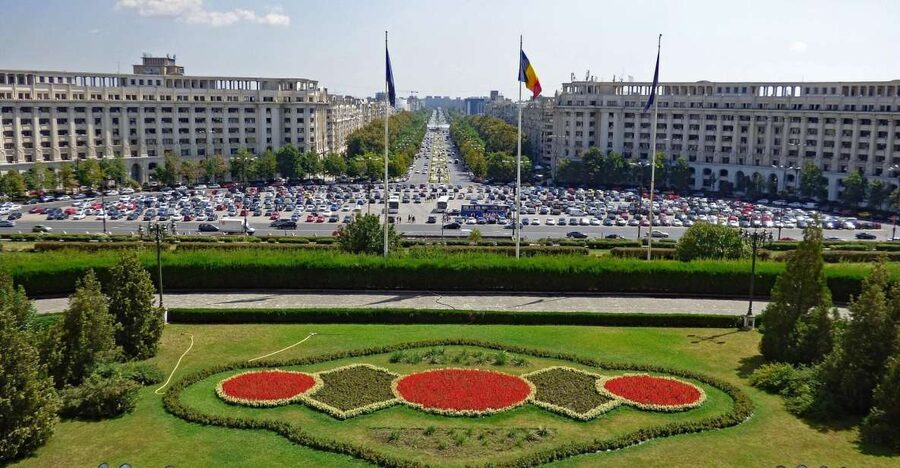
- The route connects ordinary and grand Bucharest: Metro stations and working-class housing balance the oversized Palace of the Parliament.
- The Spring Palace is the personal side of communism: You finish at the former residence of Nicolae and Elena Ceausescu.
- A car saves time: The attractions sit in different parts of Bucharest, making private transport useful.
- Guiding is a major strength: Claudia receives especially warm praise for her history knowledge and clear English, while George and Marcel also earned positive comments.
- The price suits a group better: At $256 per person, the value improves when the guide, vehicle, and entry fees are shared among several people.
- Expect some uncertainty at Parliament: Even with a scheduled time, a wait of more than an hour has occurred.
Why this tour gives Bucharest a clearer shape
Communist-era Bucharest can be hard to understand if you only visit one monument. The city’s story is spread across broad avenues, apartment districts, transport projects, official buildings, and private homes. This tour puts those pieces together in one day.
I like that the route does not begin and end with the Palace of the Parliament. That enormous building is the headline attraction, but the metro stations and working-class neighborhood help explain the system that produced it. You get a look at both the state’s public image and the ordinary world created beneath it.
The tour begins with hotel pickup, then moves by modern car, minibus, or coach. That is practical rather than glamorous, but it matters. Bucharest is large, and these stops are not arranged as a neat walking circuit. Having a vehicle lets you cover more ground without spending much of the day changing buses or waiting at stations.
The experience is listed as a private group tour, but the group size can vary. One booking had 26 people, and the information also warns of possible delays of up to 30 minutes on shared trips. Ask about the format when booking if you want a truly small, one-to-one experience.
More communist-era history walks:
- The Real tour of Communism
★ 5.0 · 666 reviews - Life under Communism
★ 5.0 · 358 reviews - 3-Hour Guided Tour of Communist Bucharest
★ 4.9 · 303 reviews
Metro stations built under Ceausescu
The first stops are metro stations constructed during the communist period. These are not simply transport points to pass through on the way to the major sights. They show how the government thought about movement, labor, and the expansion of Bucharest.
A metro system can tell you a great deal about a city’s priorities. It moves workers between housing districts and employment centers, and it changes the scale of a capital. At these stations, your guide can connect the practical needs of daily life with the larger city plans pursued under Ceausescu.
The exact stations are not specified in the tour details, so you should not expect a fixed list until your guide explains the day’s route. One past itinerary included a ride on an old metro train associated with the period. That detail can make the stop feel less like a photo break and more like a direct encounter with the city’s past.
Do not expect museum displays at every station. The value comes from looking closely at the architecture and hearing the story around it. If you are interested in urban planning, public works, or everyday life, this opening section gives the rest of the tour a useful foundation.
A working-class neighborhood and the daily reality
Next, you visit a neighborhood built by the Romanian dictatorship for the working class. This is one of the most useful parts of the day because it moves the story away from leaders and ceremonies.
Here, you can consider how Romanian people lived in planned housing during the communist period. Apartment blocks, shared urban spaces, and the relationship between homes and workplaces reveal a different side of the era than the grand halls of Parliament. You are not just hearing what the government wanted people to see. You are looking at the setting where many people actually lived.
The stop also helps explain the contrast at the heart of Bucharest. The state could direct major building projects while ordinary residents dealt with standardized housing and controlled daily life. Your guide’s commentary is important here, since the buildings alone will not explain who lived in them, why the district was built, or how it fitted into the wider plan.
One past tour also included a flower market associated with Roma people. Since the precise route can vary, treat this as a possible addition rather than a guaranteed stop. The same applies to other reported sights, including the Revolution Square, North Railway Station, an exterior view of a synagogue, and a nature area at the city’s edge.
The Palace of the Parliament, power in oversized form
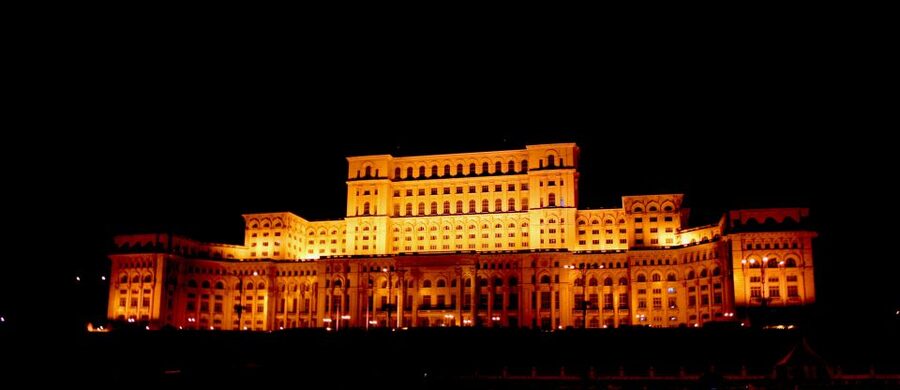
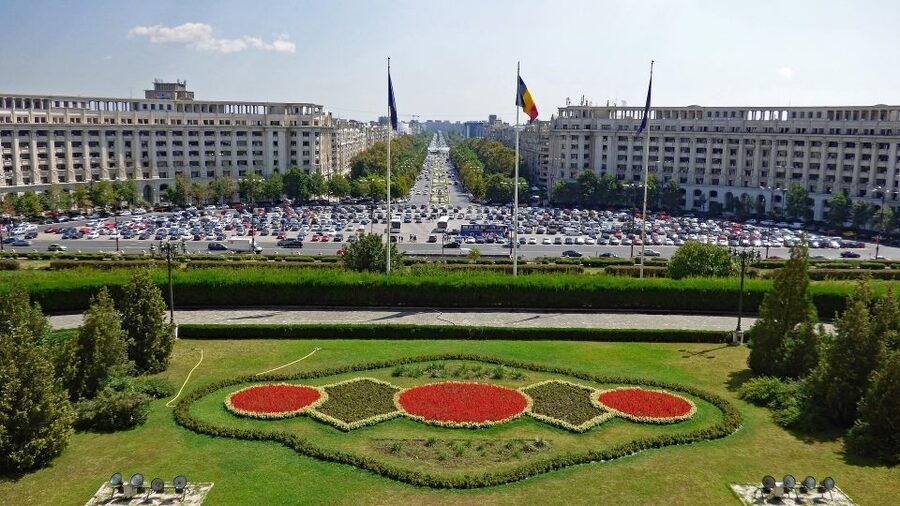
The Palace of the Parliament is the tour’s largest set piece. Construction finished in 1997, after Ceausescu’s plan to rebuild the capital under a project known as Project Bucharest. The building is not only a government complex. It is a physical record of the scale and ambition of that rebuilding program.
Inside, the size is the point. You encounter a building designed to project authority, order, and permanence. Your guide can help explain why such a project mattered politically and what it meant for the city around it.
The contrast with the working-class district is sharp. Earlier, you see the practical spaces of daily life. Here, you enter a symbol of centralized power, built at a scale far removed from ordinary housing. Taken together, the stops make the political message easier to read.
Entry is included, but the photography fee is not. Bring your ID or passport, since identification is required for the tour. You should also allow extra time. One booking reported waiting more than an hour despite having a fixed entry time. That kind of delay can affect the rest of your day, so avoid scheduling an important evening activity too closely afterward.
Access is another consideration. The tour is not suitable for wheelchair users or people with mobility impairments. Comfortable shoes are specifically recommended, and you should expect walking inside the major buildings even though transportation between sites is provided.
The Parliament visit can also be affected by official events. A past notice warned that access might be limited during Romania’s presidency of the Council of the European Union, with another attraction or a refund offered if the building could not be visited. That particular date range has passed, but it shows why Parliament access can depend on government scheduling.
A few more trips worth weighing up before you book
- Bucharest: Dracula’s Castle, Peles Castle, & Brasov Old Town
★ 4.5 · 17,858 reviews - Bucharest: Dracula Castle, Peles Castle & Brasov Old Town
★ 4.6 · 10,891 reviews - Bucharest: Dracula’s Castle, Peleș Castle & Brașov Day Trip
★ 4.5 · 5,919 reviews - Bucharest: Palace of Parliament Tickets and Guide
★ 4.3 · 3,182 reviews
Spring Palace, the Ceausescu family behind closed doors
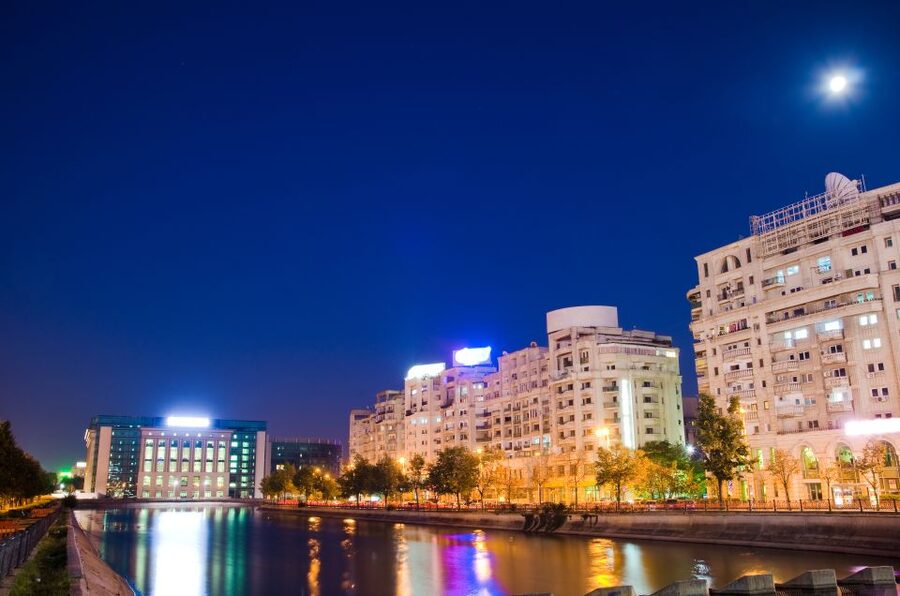
The final destination is the Spring Palace, also called Palatul Primaverii. This was the private residence of Nicolae and Elena Ceausescu, and it gives the tour a more personal finish.
The Palace of the Parliament shows the regime’s public face. Spring Palace lets you examine the private world of the ruling family. That contrast is the reason this stop works so well at the end. You have already seen how the state shaped neighborhoods and public buildings. Now you see the home reserved for the country’s most powerful couple.
The tour information does not list every room or furnishing, so it is best to think of this as a guided residence visit rather than a fully detailed inventory of interiors. On-site guides are also provided at both Parliament and Ceausescu’s house, which can add a second layer of explanation beyond your main guide.
The house is open Wednesday through Sunday, from 10:00 AM to 6:00 PM. Check the day carefully before you reserve. If the tour is offered on a day when the Spring Palace is closed, the advertised final stop cannot work as intended.
One important warning comes from a past booking that specifically expected a guided bunker visit at the mansion but did not receive it. If a bunker or any special section is important to you, get written confirmation before paying. Do not assume that every extra feature associated with the residence is included.
The guides can make or break the day
The strongest part of this experience appears to be the guiding. Claudia receives especially high praise for her clear English and strong command of Bucharest and the Ceausescu period. One detailed itinerary with her also included the Revolution Square, the private residence, a Roma flower market, Parliament, North Railway Station, and an old metro ride.
George was described as very pleasant, and Marcel was praised as a great guide on another booking. These comments suggest that the company can provide a good guide across different departures, but the individual style will still vary.
I would ask for the guide language when booking. English is the standard option, while Spanish, French, and German guides may be available on request. If you want the guide to focus on architecture, daily life, or political events, say so early. A private format gives you more room to shape the conversation than a large coach trip.
The overall score is 4.8 from 11 reviews, with several five-star ratings and one clear complaint about an unmet promise. That pattern points to a strong experience when the route and expectations are clear, but it also tells you to confirm special inclusions rather than relying on assumptions.
Is $256 per person fair value?
At $256 per person, this is not a budget sightseeing tour. You are paying for a seven-hour day, hotel pickup, private transportation, an English-speaking guide, and entrance fees to Parliament and Spring Palace. The price also reflects the amount of ground covered.
I think the value depends heavily on group size. For a couple, the total cost is substantial. For a larger private group, the vehicle and guide cost can make more sense, and groups of more than 10 receive special discounts. A 26-person group has already used the tour successfully, though a group that large may feel less personal than the word private suggests.
The cost is easier to justify if you want a focused communist-era tour rather than a general city overview. You are not paying simply to be driven past monuments. The route combines public works, housing, government architecture, and a private residence, which would be difficult to arrange efficiently on your own in one day.
The value drops if Parliament access is delayed, if the route is shortened, or if you expected extras such as the mansion bunker without confirming them. Since lunch and personal expenses are not included, plan to pay separately for food. The tour lasts seven hours, so ask your guide about the timing of a meal break rather than assuming lunch is built into the program.
Who will get the most from this experience?
I would choose this tour if you have a serious interest in Romania under communism, Ceausescu, architecture, or city planning. It is also a good choice if you want to see parts of Bucharest that do not fit neatly into a central walking tour.
The private transport makes it useful for families, older visitors who can walk but prefer not to manage city connections, and larger groups. However, the tour is not suitable for wheelchair users or people with mobility impairments. Comfortable footwear is essential.
You should also choose it if you prefer a full day with a guide rather than a loose list of sights. The story develops from metro stations to housing, then to Parliament and Spring Palace. That progression gives the day a clear shape.
I would skip it if you only want Bucharest’s old town, cafés, and elegant nineteenth-century buildings. The communist past is the focus here, and some stops may feel stark or politically heavy. I would also think twice if you have a tight schedule after the tour, since Parliament delays have happened.
Free cancellation is available up to 24 hours before departure, and you can reserve while paying later. Those terms help if your schedule is still changing, but the 48-hour advance reservation rule means this is not a last-minute booking.
FAQ
How long does the Bucharest Communist Tour last?
The tour lasts seven hours, including transportation between the different locations.
What is included in the price?
The price includes transport by modern car, minibus, or coach, an English-speaking guide, and entrance fees for the Palace of the Parliament and Ceausescu House. The Parliament photography fee is not included.
Is lunch included?
No. Lunch and personal expenses are not included.
Which languages are available?
English is the standard guide language. Spanish, French, and German guides can be requested.
When can I visit the Spring Palace?
The Spring Palace can be visited Wednesday through Sunday, from 10:00 AM to 6:00 PM.
What should I bring?
Bring a passport or ID card and wear comfortable shoes.
Can wheelchair users join the tour?
No. The experience is not suitable for wheelchair users or people with mobility impairments.
Should you book this Communist Tour?
Book it if you want Bucharest explained through the communist period, not just displayed as a collection of monuments. The combination of metro stations, working-class housing, Parliament, and Spring Palace gives you both the public and private sides of Ceausescu’s Romania.
I would book for a group, confirm the exact route, and ask specifically about Parliament entry times and any bunker access before paying. At $256 per person, the tour needs to deliver a well-organized day to feel worthwhile. With a strong guide such as Claudia, efficient transport, and all four main themes included, it can be one of the most revealing ways to understand modern Bucharest.
Just added around Bucharest
- 4-Day Inside Transylvania & Transfagarasan Tour from Bucharest★ 5.0 · 3 reviews
- 10 hours Private Apiary Tour in Romania – From Bucharest★ 5.0 · 3 reviews
- Bucharest: Charm of the Belle Époque Private Tour★ 5.0 · 3 reviews
- Bran & Peles Castles through the Best Road in the World: Transfagarasan road★ 4.5 · 3 reviews
- 2-Day Small-Group Tour in Transylvania from Bucharest – Maximum 5 Persons★ 5.0 · 3 reviews
- Private Wine Tasting at Bucharest’s First Wine Bar★ 5.0 · 3 reviews
- Bucharest to Brasov – Fast Private Transfer★ 5.0 · 3 reviews
- Probably the Best Restaurant and Wine Cellar near Bucharest★ 4.5 · 3 reviews
Communist History Tours, compared.




Bucharest Essential Tour: Old Town, Calea Victoriei & Communism
Read our review →
Communism in Bucharest – Landmarks, Museum & Communist Appetizers
Read our review →


Browse the lists this tour appears in