
Reviewed · MARAMURES TOURS
From Cluj-Napoca: Two Day Tour to Maramures
Maramureș rewards patience, appetite, and sturdy shoes. This two-day trip from Cluj-Napoca gets you into village homes, old wooden churches, craft workshops, and the famous Merry Cemetery in Săpânța. I especially like the local home visit and the chance to sleep in a traditional house rather than simply photograph one. The food, served generously with fresh local products, is another strong point.
The main consideration is the pace and terrain. You cover a lot of ground in two days, and the tour is not suitable for wheelchair users or people with mobility impairments. Still, guides such as Florin, Ilona, and Josif have helped make the trip special through their local knowledge, warm conversation, and personal links to the region.
In This Review
- Key points to know before booking
- Why Maramureș feels different from a standard Romanian day trip
- Breb begins with a carved gate and a generous meal
- Sleeping in a traditional house in below-freezing weather
- Entering local homes instead of only admiring them
- The Merry Cemetery and Maramureș humor
- Wooden churches, monasteries, and the spiritual side of the region
- Wool rugs, whirlpools, and everyday ingenuity
- Hills, haycocks, and old forests
- What the $688 price includes, and what it does not
- Who will enjoy this two-day trip most
- Should you book the Maramureș tour from Cluj?
- FAQ
- How long is the Maramureș tour from Cluj-Napoca?
- What language is the tour conducted in?
- Is accommodation included?
- Which meals are included?
- What should I bring?
- Is the tour suitable for wheelchair users?
- Can I cancel the booking?
Key points to know before booking
- Breb is the heart of the overnight stay: You enter through a hand-carved gate, eat traditional food, and sleep in a traditional house.
- Local homes provide the real cultural insight: You meet residents, see how family life revolves around the home, and taste palinka while talking with them.
- The Merry Cemetery has a surprisingly playful side: Its painted grave markers and funny epitaphs show the region’s humor as well as its view of death.
- Wooden churches are the spiritual highlight: Several churches and monasteries are included, with one UNESCO World Heritage Site among the stops.
- The trip suits curious, active visitors: Expect village walks, uneven ground, craft demonstrations, and time in rural areas.
- The $688 price covers the essentials: Transport, guide, accommodation, entrance fees, water, lunch, and dinner are included, but drinks and other meals cost extra.
Why Maramureș feels different from a standard Romanian day trip
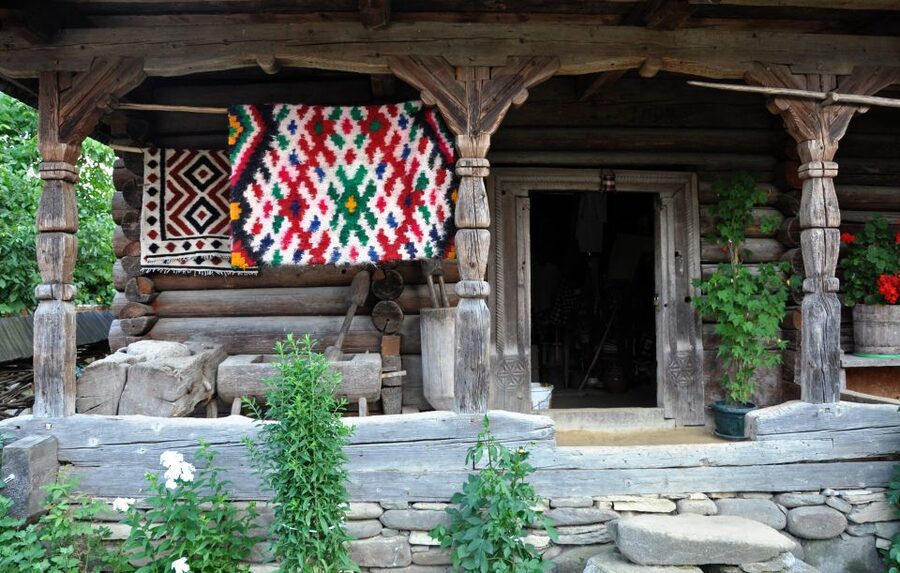
Maramureș sits in northern Romania, near the country’s border with Ukraine. The region was first mentioned in documents in 1199, but its appeal is not mainly about dates and monuments. I like it because traditions still appear in ordinary places: a carved gate, a wool rug, a wooden house, a church built without modern materials, or a meal offered by a family in their own home.
The tour begins with hotel pickup in Cluj-Napoca and heads north by modern, well-equipped car. That matters here. Maramureș is spread across villages, hills, forests, and valleys, so having transport and a guide lets you see more than you could manage by public transport in two days.
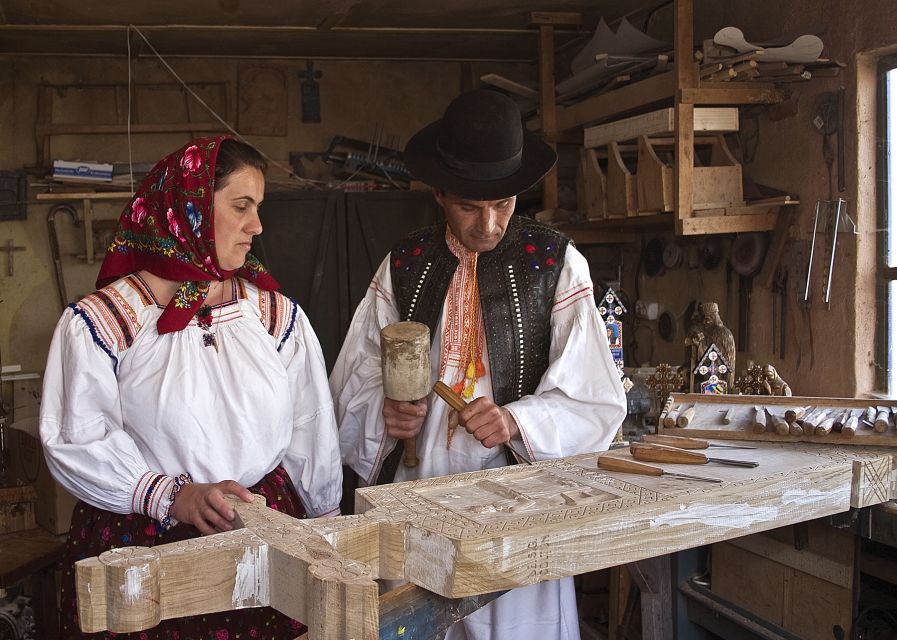
This is not a polished attraction where every stop has a neat queue and a souvenir shop. You visit working villages and local craftspeople. You may see wood carving, traditional clothing, handmade gates, and old ways of washing wool rugs using water and whirlpools. Those details give the trip its value.
The best reason to go is simple: you are not only looking at Maramureș from the road. You are invited into parts of daily life that are normally easy to miss.
More Maramures trips:
- Maramures best, full day tour from Cluj
★ 5.0 · 33 reviews - From Cluj-Napoca: Maramures Day Tour
★ 5.0 · 19 reviews - Two days tour to Maramures: local experiences and culture
★ 5.0 · 9 reviews
Breb begins with a carved gate and a generous meal
The first day ends in Breb, one of the region’s best-known traditional villages. The entrance through a handmade carved wooden gate is more than a pretty photo stop. The designs carry cultural meaning, and your guide can explain how local decoration connects with family identity and village tradition.
Breb is also where the tour becomes personal. You enter a traditional home, meet local people, and eat a meal made with fresh products. The included lunch and dinner are important because food is part of the welcome here, not a minor travel detail. The local saying that you never leave Maramureș hungry appears to be taken seriously.
You should expect food served in abundance rather than a quick roadside snack. Drinks beyond the included water are extra, and palinka may be offered during conversations with local residents. If you do not drink alcohol, you can simply decline it, but tasting it is part of the social side of the visit for many people.
I like this part of the tour because it gives you a useful frame for everything that follows. A wooden house is not just old architecture. It is the center of family life, customs, meals, work, and celebrations. Seeing that connection makes the churches, gates, tools, and clothing easier to understand.
Sleeping in a traditional house in below-freezing weather
Your overnight stay is in a traditional house in Breb. The accommodation is described as clean, comfortable, modern, and warm, which is good news for anyone who pictures a charming but uncomfortable night in a cold museum piece.
A useful detail comes from a late-autumn trip: the temperature dropped below zero, yet the overnight accommodation remained warm. That suggests the stay offers traditional character without asking you to sacrifice basic comfort. Still, do not expect a city hotel with a full range of facilities. You are staying in a rural home, and the setting is part of the point.
The overnight stay also saves you from returning to Cluj after a long day of driving and sightseeing. You wake up closer to the villages, churches, and craft stops of the second day. Pack comfortable clothes and shoes, and remember that rural accommodation may feel simpler than a standard hotel even when it is clean and well heated.
Entering local homes instead of only admiring them
The home visit is probably the strongest part of the two-day program. Maramureș traditions make more sense when you see where they are practiced. You can meet residents, look at the simple arrangement of a traditional home, and hear how customs revolve around family life.
This is also where the guide matters most. Florin, a local from Maramureș, has been praised for his access to villagers and his passion for the area’s people and past. Guides such as Ilona and Josif have also been singled out for kind attention, good conversation, and broad explanations of Romanian and regional history.
Guide assignments can vary, so you should not book on the assumption that one particular person will lead your trip. But the guide’s local connection is clearly central to the experience. A good guide turns a visit into a conversation rather than a staged display.
You will also see practical work. Wood carving is one example, and local craftsmen demonstrate how skills are kept alive. The tour may include visits to people who still make traditional objects by hand, giving you a better sense of the labor behind the gates, furniture, tools, and church details you see across the region.
A few more trips worth weighing up before you book
- Maramures: 2 Days in Rural Romania
★ 5.0 · 5 reviews - Two days tour to Bucovina & UNESCO Painted Monasteries
★ 5.0 · 3 reviews - 2-Day Medieval Transylvania with Brasov,Sibiu and Sighisoara Tour from Bucharest
★ 4.5 · 145 reviews - 2-Day Transylvania from Bucharest: Brasov, Bran, Sighisoara
★ 5.0 · 60 reviews
The Merry Cemetery and Maramureș humor
Săpânța’s Merry Cemetery is one of Romania’s most unusual attractions. Its painted grave markers use bright colors, pictures, and short verses to describe the lives and deaths of the people buried there. The epitaphs can be funny, blunt, and unexpectedly warm.
The cemetery reveals a local sense of humor that is easy to miss if you only think of cemeteries as solemn places. Maramureș residents are known for treating death with directness and wit. The result is not a joke at the expense of the dead. It is a public record of personality, family, work, and human weakness.
I would give this stop time and attention. Look beyond the colorful surface and consider what the markers say about how a community remembers its members. The guide’s explanations are especially useful here because the humor and wording can lose something in translation.
This is one of the stops that makes the tour more than a scenic drive. You come away with a better sense of how local people see life, death, and one another.
Wooden churches, monasteries, and the spiritual side of the region
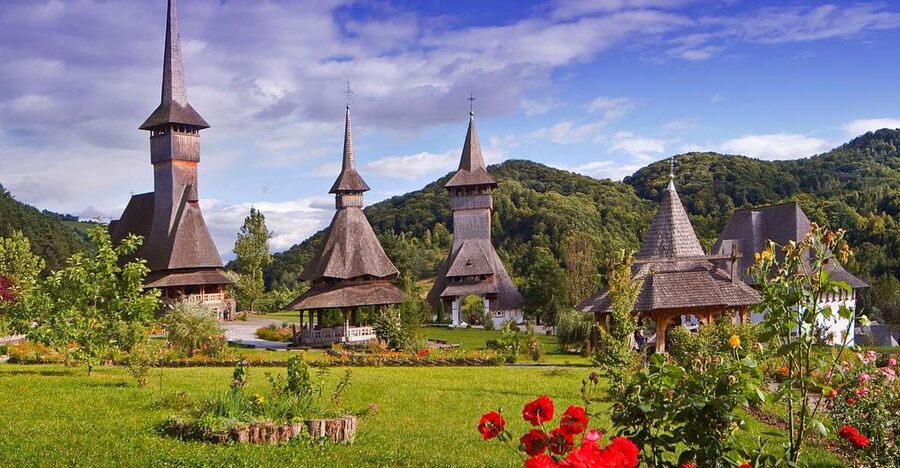
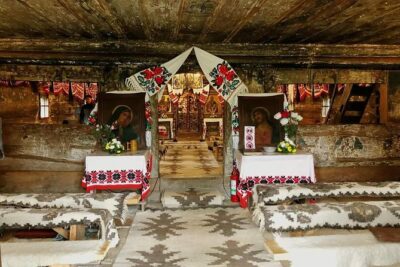
Maramureș is famous for its wooden churches, many of them manually carved by local craftsmen. The tour visits several churches and monasteries, including a UNESCO World Heritage Site. These buildings are valuable not only for their age, but also for the way they show local skill, faith, and community effort.
The churches can look modest from outside, yet their construction and decoration reward a close look. Wood was practical and available, but it also became a material for detailed craftsmanship. Your guide can connect the buildings with the religious life of the villages and explain why they matter to local people.
The spiritual side of Maramureș is not separated from village life. Churches sit within communities shaped by farming, family traditions, seasonal work, and local celebrations. Visiting them after entering homes and meeting craftspeople helps you see the region as a living place rather than an open-air exhibit.
You should bring comfortable shoes. The tour includes walking through villages and visiting rural sites, and this is not designed for visitors who need step-free access or wheelchair-friendly routes.
Wool rugs, whirlpools, and everyday ingenuity
One of the most memorable details is the traditional washing method used for wool rugs. Women used natural whirlpools to clean the rugs, letting moving water do the hard work. It is a simple example of local ingenuity, and it shows how closely daily life was tied to rivers and natural forces.
This kind of stop can be more revealing than a grand monument. You see a practical answer to an everyday problem, developed without modern machines. You also see how local knowledge passed from one generation to the next.
The tour’s craft visits work in the same way. Demonstrations let you watch the hands behind the finished objects. If you enjoy architecture, traditional work, religion, or rural customs, these stops will likely hold your attention more than a packed schedule of photo viewpoints.
Hills, haycocks, and old forests
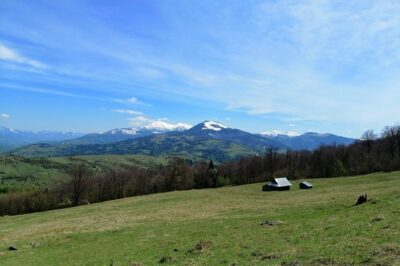
The sightseeing includes hill villages and open fields where haycocks lie in the sun. From higher ground, you get a wider view of the settlements and farmland. The scenery can feel almost theatrical, with timber houses, sloping fields, and forested hills creating the atmosphere that inspired the Lord of the Rings comparison.
That description should not lead you to expect a fantasy attraction. The appeal is the real setting: villages that still retain traditional features, fields worked in familiar ways, and forests that have not been heavily altered.
The tour also points to some of Europe’s last untouched forests. These woods contain trees of different ages, from old trees that have reached the end of their lives to new seedlings beginning their growth. The forest supports more than 10,000 animal species, including brown bears, wolves, and deer.
That does not mean you should expect to see wildlife. The information describes the habitat, not a wildlife-sighting guarantee. I would treat the forest views as a chance to appreciate the region’s ecology rather than as a bear-watching excursion.
What the $688 price includes, and what it does not
At $688 per person for two days, this is a costly short tour. Its value depends on how much you want a guide-led cultural experience rather than simply transport between sights.
The price includes:
- Hotel pickup from Cluj-Napoca
- Transport in a modern, well-equipped car
- An English-speaking professional guide
- Accommodation in a traditional house
- Entrance fees
- A bottle of water
- One traditional lunch and one traditional dinner in Breb
The biggest value comes from the guide, local access, and overnight arrangement. Organizing the same route alone would mean finding transport between scattered villages, choosing suitable churches and craft visits, arranging accommodation, and trying to make contact with residents. The tour removes much of that work.
You should budget extra for beverages, other meals, personal calls, souvenirs, and any photography fees. The included meal arrangements are not a full two-day meal plan, so check what you want to eat and drink beyond the traditional lunch and dinner.
Travel insurance is not included. The booking terms allow free cancellation up to 24 hours before departure, and you can reserve now and pay later. Those policies make the booking less rigid, but they do not reduce the price itself.
Who will enjoy this two-day trip most
I would recommend this tour to you if you care more about culture and conversation than a checklist of famous sights. It suits people interested in:
- Traditional architecture and wooden churches
- Rural Romanian customs
- Local food and home cooking
- Handcrafts, wood carving, and textiles
- Religious buildings and village life
- Nature, forests, and hill scenery
- Small-scale cultural encounters
It is also a good choice if you have only two days and are based in Cluj-Napoca. The included pickup and transport make the region far easier to reach than it would be on your own.
I would think twice if you dislike long road journeys, uneven walking surfaces, rural accommodation, or a schedule built around village visits. The tour is not suitable for people with mobility impairments or wheelchair users, and pets are not allowed.
The guide’s role is another reason to choose carefully. The strongest parts depend on explanations, translation, local introductions, and conversation. English is provided, while German and French may be available on request. If you need one of those languages, ask before booking.
Should you book the Maramureș tour from Cluj?
I would book it if you want to meet people, see working traditions, and sleep in a rural home instead of rushing through northern Romania. The local house visit, generous food, Merry Cemetery, wooden churches, and craft demonstrations create a fuller picture of Maramureș than a simple sightseeing transfer.
The $688 cost is easier to justify for someone who values private logistical support, local introductions, and a guide who can explain the meaning behind what you see. It is harder to justify if you mainly want scenery and are comfortable arranging transport and accommodation yourself.
Bring your passport or ID card, comfortable shoes, and an appetite. If Florin, Ilona, Josif, or another guide with the same local connection leads your trip, give yourself time to ask questions. In Maramureș, the best moments are often found around a table, beside a carved gate, or in a quiet church rather than at the biggest scheduled sight.
FAQ
How long is the Maramureș tour from Cluj-Napoca?
The tour lasts two days and includes pickup from your hotel in Cluj-Napoca.
What language is the tour conducted in?
The live tour guide is English-speaking. German and French may be available on request.
Is accommodation included?
Yes. One night in a traditional house is included in the tour price.
Which meals are included?
The package includes one traditional lunch and one traditional dinner served in Breb. Other meals and beverages are not included.
What should I bring?
Bring a passport or ID card and comfortable shoes.
Is the tour suitable for wheelchair users?
No. The tour is not suitable for wheelchair users or people with mobility impairments.
Can I cancel the booking?
Yes. You can cancel up to 24 hours in advance for a full refund. You can also reserve now and pay later.
Just added around Cluj Napoca
- Two days tour to Bucovina & UNESCO Painted Monasteries★ 5.0 · 3 reviews
- Cluj – walking city tour★ 5.0 · 3 reviews
- Transylvania’s Trail: Sibiu, Bran Castle, Brasov, Sighisoara★ 4.6 · 3 reviews
- CJ05 – Mysteries of Transylvania: Bran Castle & Sighisoara★ 4.8 · 3 reviews
- Sighisoara, UNESCO & wine tasting (1 day, from Cluj)★ 5.0 · 4 reviews
- CJ01 – Explore Cluj-Napoca: A Vibrant City Tour in English★ 5.0 · 4 reviews
- 3 Day Tour of Maramures★ 5.0 · 4 reviews
- Sighisoara & wine tasting (from Cluj)★ 5.0 · 4 reviews
Maramures Tours, compared.
Classic Romania Tour – small group in 8 days: Transylvania and Maramures
Read our review →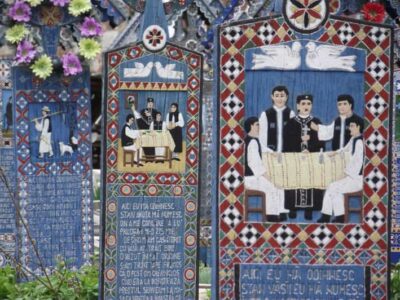
Two days tour to Maramures: local experiences and culture
Read our review →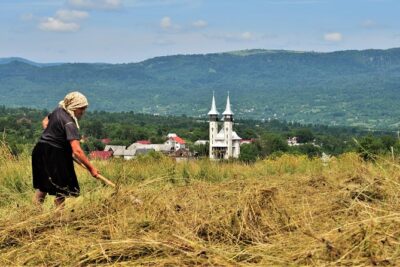
A Journey Back in Time: Countryside from Transylvania and Maramures – 15 Days
Read our review →
Your rendez-vous with Europe’s past: time-travel to Maramures, Transylvania
Read our review →Browse the lists this tour appears in