
Reviewed · MARAMURES TOURS
Classic Romania Tour – small group in 8 days: Transylvania and Maramures
Romania rewards the curious and patient. This eight-day route links Transylvania and Maramureș with a private vehicle, a small group of no more than six, and a guide who handles the long transfers. I like the strong mix of castles, fortified towns, wooden churches, and village life. I also like that the route includes both famous sights and quieter places such as Breb, Sibiel, and Viscri. The main drawback is the pace: six-hour touring days and frequent hotel changes leave little time for sitting still.
The tour costs $2,339.64 per person, based on two people sharing a double room. That is a serious price, but it covers seven nights, transport, breakfasts, airport transfers, a guide, a folk-show dinner, a traditional lunch, and a horse-drawn carriage ride. I would carefully confirm which monument admissions are included, since the tour details give conflicting information on that point.
In This Review
- Key points to know before booking
- Why this route works for a first look at Romania
- Bucharest begins with communist scale and old-town confusion
- Curtea de Argeș, Cozia, and Sibiu bring in medieval Romania
- Sibiel and Alba Iulia show two sides of Transylvania
- Cluj-Napoca leads north to Maramureș
- Wooden churches and local craft in Maramureș
- Biertan, Sighișoara, and Viscri are the historic heart of the trip
- Brașov, Bran Castle, and Sinaia deliver the headline sights
- What the price covers, and what it does not
- Who should book this Romania tour?
- Final verdict: a strong choice for culture and coverage
- FAQ
- How long is the Classic Romania Tour?
- Where does the tour begin and end?
- What time does the tour start?
- How many people can join the tour?
- Is airport pickup included?
- Is accommodation included?
- Are breakfasts included?
- Is food included beyond breakfast?
- Is the Palace of the Parliament open during the tour?
- What physical condition do I need?
Key points to know before booking
- A wide-ranging route: You cover Bucharest, Sibiu, Cluj-Napoca, Maramureș, Târgu Mureș, Sighișoara, Brașov, Bran, and Sinaia in eight days.
- A maximum of six people: The small vehicle and limited group size should make rural stops and schedule changes easier than on a large coach tour.
- The best village time comes in Maramureș: Breb, Poienile Izei, Bârsana, and Săpânța provide a closer look at local customs and wooden architecture.
- Bran Castle is only one part of the castle story: Peles Castle near Sinaia offers a more direct connection to Romania’s royal past.
- Summer can change Day 2: From mid-June to early November, the route to Cozia Monastery is replaced by a drive on the Transfăgărășan.
- Guide quality matters: One named guide, Valentin Val Nan, is praised for being pleasant, considerate, and flexible when the schedule changed.
Why this route works for a first look at Romania
Romania is not a country you can understand from Bucharest alone. Its character changes from the grand avenues of the capital to Saxon villages, Carpathian mountain roads, and the wood-built churches of the north.
I like this tour because it gives you several versions of Romania in one trip. You see communist-era power in Bucharest, medieval trade towns in Transylvania, royal architecture in Sinaia, and living village traditions in Maramureș. The route also includes major names such as Bran Castle and Sighișoara without ignoring smaller places that give the trip its personality.
The tradeoff is distance. This is a road tour, not a slow stay in one region. Most touring days are listed at about six hours, and some include several stops plus a hotel transfer. You should enjoy looking out a vehicle window, climbing old towers, and changing hotels. If you want long café mornings or several free afternoons, this plan may feel crowded.
The group limit of six is important. It is not the same as traveling alone with a guide, but it is small enough to keep the vehicle manageable and make conversation easier. The private transport also matters in rural Romania, where the schedule links places that would be awkward to connect by public transportation.
More Maramures trips:
Bucharest begins with communist scale and old-town confusion
Your guide picks you up for roughly six hours in Bucharest, beginning with a city tour. The Palace of the Parliament usually provides the city’s biggest visual shock. It was built during the communist period under Nicolae Ceaușescu and is listed as the second-largest building in the world after the Pentagon.
At present, the Palace of the Parliament is closed until June, so the planned visit is replaced by Spring Palace. This is an important point to check before you pay, especially if the parliament building is a main reason for choosing the tour. The substitute keeps the focus on Romania’s recent past, but it is not the same visit.
The Old Town provides a useful contrast. Its streets gather historic buildings, restaurants, bars, and nightlife in a compact area. The setting can feel untidy and energetic rather than polished. That is part of Bucharest’s appeal. You are seeing a city where older architecture, communist influence, and modern urban life sit close together.
Your first night is in Bucharest. Since the tour ends here too, you get a brief look at the capital at both ends of the journey, though the final evening is not described as free time.
Curtea de Argeș, Cozia, and Sibiu bring in medieval Romania
Day 2 takes you toward Transylvania, beginning at Curtea de Argeș Monastery at the foot of the Carpathian Mountains. This is a strong opening stop because it introduces religious architecture before the tour turns to fortified towns and castles.
The route then follows the Olt Valley toward Cozia Monastery. Cozia reflects medieval Romanian art and architecture, and the road itself adds mountain scenery between the visits. From mid-June to early November, this section changes: the tour uses the Transfăgărășan instead of visiting Cozia. If scenic mountain driving is high on your list, the seasonal version may appeal more. If monasteries are your priority, ask exactly how the substitution affects the day.
Sibiu is one of the tour’s most satisfying city stops. It was European Capital of Culture in 2007, and its center brings together Romanian, German, and Hungarian influences. You walk through the Main Square, see the Brukenthal Museum and Roman Catholic Cathedral, then continue to Huet Square and the Evangelical Church.
The passage of stairs and Bridge of Lies add small, memorable details to the walk. Sibiu is also a good place to appreciate the tour’s balance: you are not only checking off monuments, but seeing how a historic city functions today.
You spend the night in Sibiu. The day is listed at about six hours, so you should have time to enjoy the walking tour, but do not count on a full, unplanned afternoon.
Sibiel and Alba Iulia show two sides of Transylvania
Day 3 starts with Sibiel, a rural village described as one of the best-preserved traditional areas in Europe. The stop is short, but it gives you a look at village life after the more formal streets of Sibiu.
Alba Iulia follows. Its Alba Carolina Fortress is Romania’s largest fortress, with 12 kilometers of walls and a star-shaped plan. Its story reaches from a Roman fort to a medieval stronghold and later to a Vauban citadel with bastions.
That layered use is what makes the fortress worthwhile. You are not looking at one frozen period. You are walking through a place repeatedly reshaped for military and political needs. A guide can make the changes easier to follow, especially if you are not familiar with Vauban-style defenses.
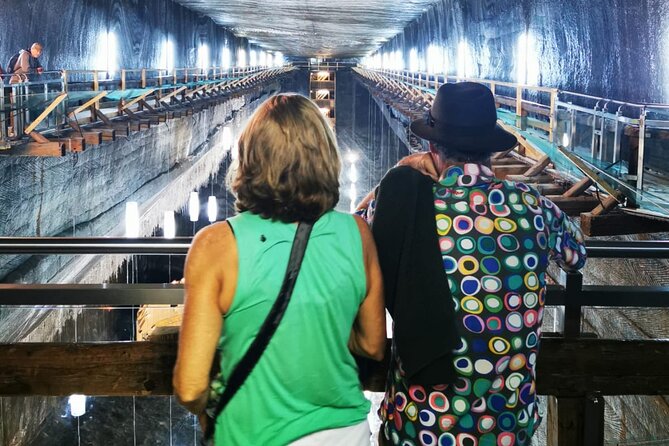
The Turda Salt Mine is the day’s most unusual stop. Galleries carved into salt lead to huge underground halls, including one 118 meters tall, with a lake below. The mine has an almost theatrical feel, and it is one of the most visually striking parts of the route.
I would remember that this is a physical touring day. You walk through a village, a large fortress, and an underground mine before reaching Cluj-Napoca. The tour ends in Transylvania’s largest city, known here as a city of arts, where you spend the night.
More Transylvania trips:
- Transylvania and Dracula Castle Full Day Tour from Bucharest
★ 4.5 · 1,589 reviews - Castles of Transylvania: Private Day Trip from Bucharest
★ 4.5 · 248 reviews - 2-Day Medieval Transylvania with Brasov,Sibiu and Sighisoara Tour from Bucharest
★ 4.5 · 145 reviews - 2-Day Transylvania from Bucharest: Brasov, Bran, Sighisoara
★ 5.0 · 60 reviews
Cluj-Napoca leads north to Maramureș
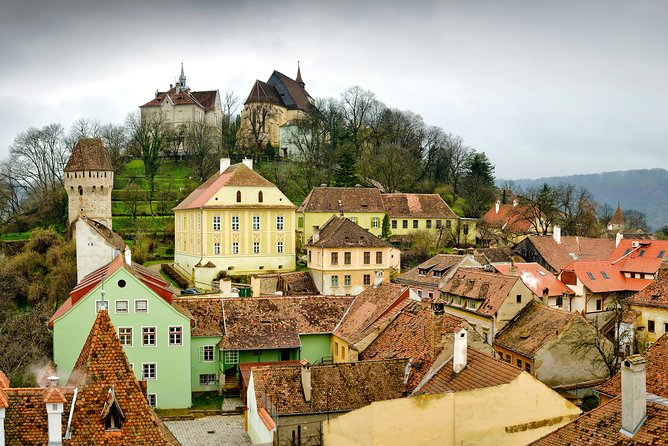
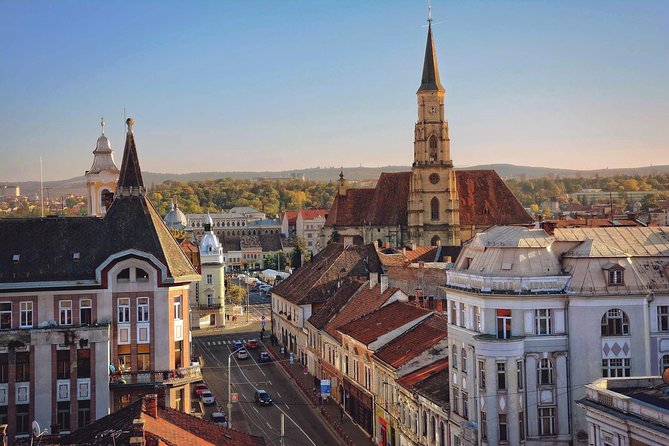
The fourth morning begins with Cluj-Napoca’s center. The Gothic St. Michael’s Cathedral overlooks the main square, while Banffy Palace and Mirror Street add civic and architectural interest.
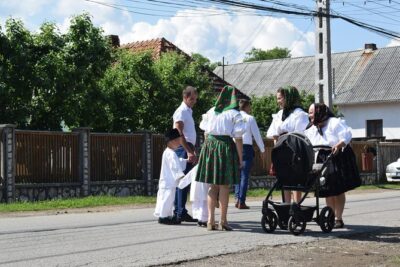
From here, the route turns north toward Maramureș. This region is one of the strongest reasons to choose the tour. Its traditional wooden houses and village customs are not presented only as museum pieces. The itinerary brings you into Breb, where you visit an authentic house and see how local life has been maintained.
Lunch includes fresh regional products and fruity liqueurs. It is one of the meals included in the price, and it gives you a direct taste of the area rather than another standard restaurant stop. Keep in mind that other meals are your own expense, so you will need a separate food budget for the rest of the week.
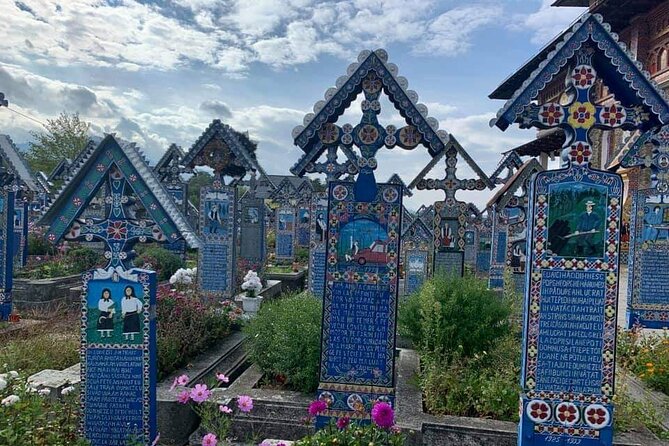
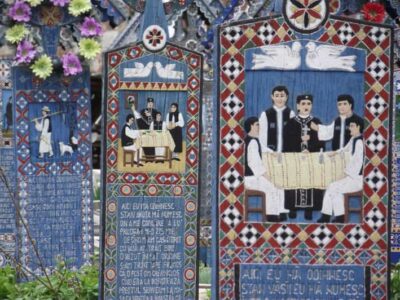
The day continues to Săpînța, home to the Merry Cemetery. Brightly painted, carved wooden crosses describe the lives of the dead through witty verses. The tone is unusual: personal, humorous, and candid instead of solemn. It is a memorable example of how local culture can express grief in its own language.
That evening includes a Romanian traditional dinner and folk show. You sleep in Sighetu Marmatiei. This is one of the tour’s longest-feeling days because of the drive north, but it also offers the most direct contact with village traditions.
Wooden churches and local craft in Maramureș
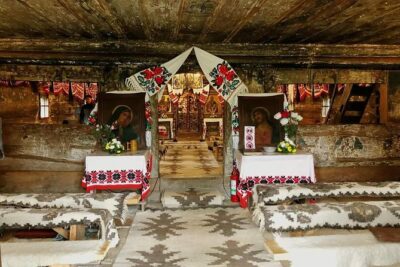
Day 5 focuses on Poienile Izei and Bârsana, two wooden churches within the UNESCO-listed Maramureș church group. The churches show how local builders created religious spaces from wood, with skills passed through generations.
Bârsana is also known for its large Orthodox architectural ensemble. The setting gives the day a different mood from the castles and city centers earlier in the route. Here, craftsmanship and religious life are the main subjects.
A local woodcarver demonstrates the craft, and you can buy handmade souvenirs afterward. I value this kind of stop because it connects the object with the person who makes it. You can decide for yourself if a purchase feels meaningful, rather than browsing anonymous items in a shop.
Food remains part of the day. The meal uses local produce, including food grown in household gardens. That sounds simple, but it is exactly the sort of detail that gives Maramureș its identity.
You continue to Târgu Mureș, a city known for ethnic and cultural diversity. The route now turns back toward central Transylvania, so you should expect another substantial road section. The payoff is a gradual shift from the far north’s village traditions back to fortified towns and Saxon architecture.
Biertan, Sighișoara, and Viscri are the historic heart of the trip
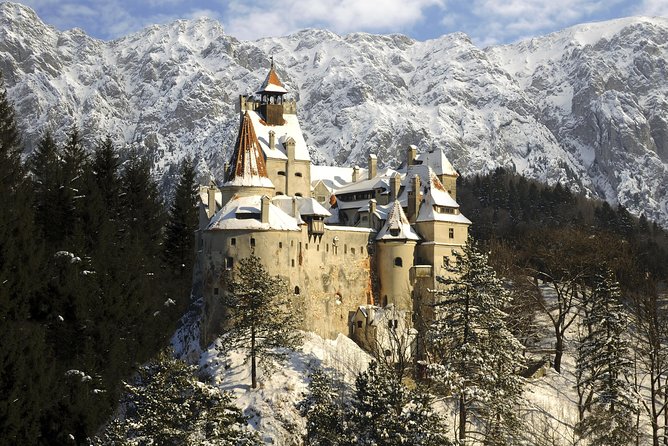
Day 6 gathers several of the route’s strongest sights. Biertan has the largest fortified church in Transylvania, built by Saxons in the sixteenth century and now protected as a UNESCO site.
The fortified church is valuable because it combines religion and defense. In this part of Transylvania, churches could also serve as places of refuge. You see that practical side of medieval community life more clearly here than at a standalone cathedral.
Sighișoara is the day’s star. It is the only inhabited medieval fortress on the UNESCO World Heritage list, and its steep cobbled streets still lead through a working town rather than an empty monument. The Clock Tower offers views and holds a museum of medieval weapons and a torture chamber.
You can also climb about 300 wooden steps to the Church-on-the-Hill. That climb is not for everyone, but it gives the visit a sense of effort and reward. Wear shoes with a good grip, and take your time on the stairs.
Viscri brings the route back to village life. Its traditional houses are linked with the restored home of King Charles, who returns each May. You ride through the village by horse-drawn carriage, visit local residents, and have homemade cake.
This is a gentle, personal stop after the tower and fortress walking. It is also one of the included extras that helps explain the price. You are not only transported past the village. You have a planned way to experience it.
The day finishes in Brașov, below the Carpathian Mountains.
Brașov, Bran Castle, and Sinaia deliver the headline sights
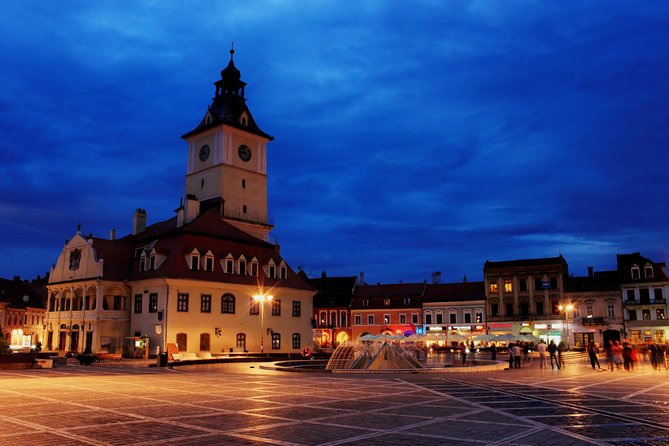
Day 7 starts with a Brașov walking tour. You see Council Square, the Black Church, and one of the world’s narrowest streets. Brașov was founded by the Teutonic Knights, and its center reflects the city’s long role as a meeting point between mountain routes and urban trade.
The Black Church is the major architectural stop. Its Gothic scale gives Brașov a strong visual center, while the surrounding streets make the city easy to explore on foot during the guided walk.
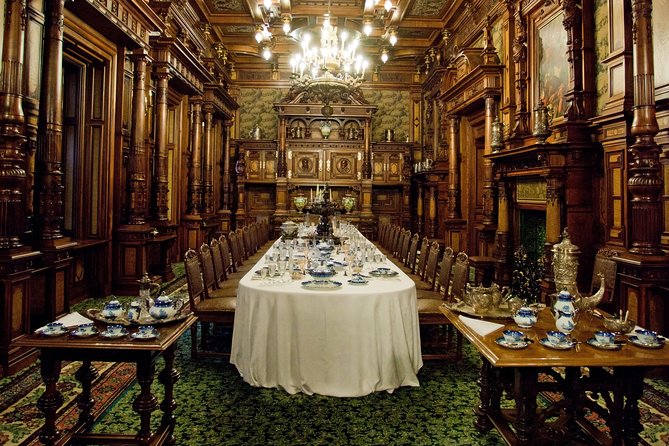
Next comes Bran Castle, the attraction most closely tied to the Dracula story. The castle sits on a 60-meter cliff above an important medieval route into Transylvania. Its setting is dramatic, and the legend gives the visit an immediate hook.
Still, you should know what you are buying. Bran is famous because of Dracula, but the tour presents it as a medieval castle with a legend attached, not as a guaranteed encounter with the fictional character. The castle can be crowded, and the appeal depends partly on how much you enjoy the Dracula connection.
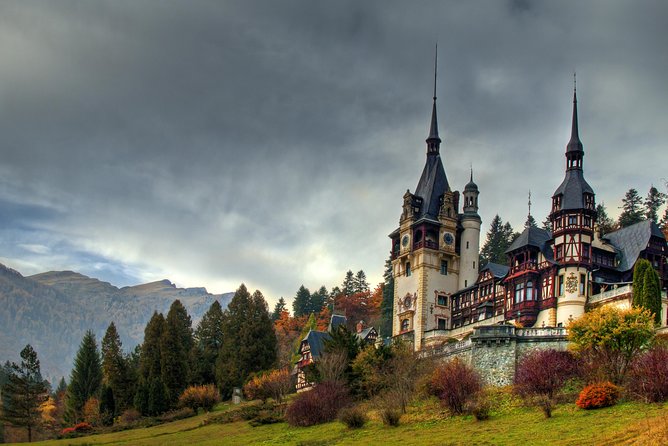
Sinaia offers a more polished royal chapter. You visit the Orthodox monastery, then Peles Castle, built by Romania’s first king, Carol I of Hohenzollern. The castle’s Gothic style and royal interiors provide a useful contrast with Bran’s defensive setting.
For me, Peles is the stronger palace visit because it connects architecture with the Romanian monarchy. Bran is the famous name. Peles gives you more substance about royal life.
You return to Bucharest in the evening for the final overnight. After seven active days, this transfer may feel long, but it keeps the airport departure simple the following day.
What the price covers, and what it does not
At $2,339.64 per person, this is not a budget tour. The cost is based on two people sharing a double room, and a single room requires an additional supplement.
The value comes from the amount of work bundled into the route:
- Seven nights in centrally located hotels
- Private car or minivan transport
- An English-speaking professional guide
- Airport pickup and drop-off
- Breakfasts
- One traditional local lunch
- One folk-show dinner
- One horse-drawn carriage ride
You also avoid arranging a complicated chain of regional hotels and transfers yourself. That matters in a country where this route covers a large area in a short time.
The tour does not include airfare, health insurance, or meals beyond those specified. Monument fees are the unclear part. Some day descriptions say admission is included, while the exclusions say entrance fees other than those included in the itinerary are not included. I would ask for a written list of included admissions before booking, especially for Bran Castle, Peles Castle, Turda Salt Mine, the Clock Tower, and other paid sites.
The price is easier to justify for two people who value a guide, private transport, and handpicked hotels. It is harder to justify if you prefer public transport, inexpensive guesthouses, or long independent stays.
Who should book this Romania tour?
I would recommend it to first-time visitors who want a broad introduction without managing every transfer. It suits couples, families with older children, and small groups who prefer a guide to explain the political, religious, and cultural background along the way.
It also suits you if village encounters matter as much as major monuments. Breb, Viscri, the woodcarving workshop, the local meals, and the horse-drawn carriage ride keep the trip from becoming a parade of castle entrances.
I would hesitate if you need a gentle schedule. The tour calls for moderate physical fitness, and several days include walking on cobblestones, climbing steps, and touring large sites. It may also be a poor fit if your group spans a wide range of ages or mobility levels. The operator specifically suggests a private tour when age gaps and activity levels could affect the experience.
Guide quality can shape the whole week. Valentin Val Nan is specifically praised for his courtesy, care, and ability to adjust plans, including adding visits to Constanța and Histria. Those extra visits are not part of the standard route, so do not assume they are included, but the example shows why a flexible guide is valuable on a private or very small-group trip.
Final verdict: a strong choice for culture and coverage
Book this tour if you want Romania’s major sights plus real time in villages, and if you value having one guide manage the roads, hotels, and daily rhythm. The strongest parts are Maramureș, Sighișoara, Peles Castle, Turda Salt Mine, and the small group size.
Skip it if you want a slow vacation or need firm control over every expense. Confirm the current Palace of the Parliament replacement, seasonal Day 2 route, single supplement, and monument admissions before paying.
For the right person, this is a well-planned introduction to Romania: ambitious, practical, and full of places that are difficult to connect on your own.
FAQ
How long is the Classic Romania Tour?
The tour lasts eight days and includes seven nights of accommodation.
Where does the tour begin and end?
It begins in Bucharest and ends with an airport transfer after checkout on Day 8.
What time does the tour start?
The stated start time is 9:00 am.
How many people can join the tour?
The maximum group size is six travelers.
Is airport pickup included?
Yes. Airport pickup and drop-off are included.
Is accommodation included?
Yes. Seven nights in centrally located hotels are included. The price is based on two people sharing a double room.
Are breakfasts included?
Yes. Breakfasts are included during the tour.
Is food included beyond breakfast?
One lunch with traditional local products and one traditional dinner with a folk show are included. Other meals are not included.
Is the Palace of the Parliament open during the tour?
The provided information says it is closed until June and will be replaced by Spring Palace during that period.
What physical condition do I need?
A moderate level of physical fitness is recommended. The route includes walking through historic centers, fortresses, castles, and churches, with stairs at places such as Sighișoara’s Church-on-the-Hill.
Just added around Bucharest
- 4-Day Inside Transylvania & Transfagarasan Tour from Bucharest★ 5.0 · 3 reviews
- 10 hours Private Apiary Tour in Romania – From Bucharest★ 5.0 · 3 reviews
- Bucharest: Charm of the Belle Époque Private Tour★ 5.0 · 3 reviews
- Bran & Peles Castles through the Best Road in the World: Transfagarasan road★ 4.5 · 3 reviews
- 2-Day Small-Group Tour in Transylvania from Bucharest – Maximum 5 Persons★ 5.0 · 3 reviews
- Private Wine Tasting at Bucharest’s First Wine Bar★ 5.0 · 3 reviews
- Bucharest to Brasov – Fast Private Transfer★ 5.0 · 3 reviews
- Probably the Best Restaurant and Wine Cellar near Bucharest★ 4.5 · 3 reviews
Maramures Tours, compared.
Two days tour to Maramures: local experiences and culture
Read our review →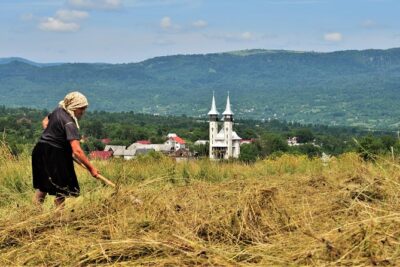
A Journey Back in Time: Countryside from Transylvania and Maramures – 15 Days
Read our review →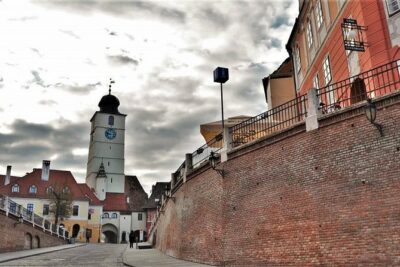
Your rendez-vous with Europe’s past: time-travel to Maramures, Transylvania
Read our review →
Browse the lists this tour appears in