
Reviewed · WINE TOURS
Traditions in Bucharest: Village Museum and Wine Tasting
Step outside modern Bucharest for a while. This private half-day tour pairs the open-air Village Museum with Romanian crafts and a three-wine tasting, giving you a useful introduction to the country’s regional traditions without sending you far from the capital. I especially like the way it connects buildings, handmade objects, and food, rather than treating Romanian culture as a museum display alone. I also like the flexible pickup and drop-off, which can save you a taxi ride at the start or end of your day.
The main consideration is the price: $153 per person is a serious outlay for 4.5 hours, especially if you are traveling alone. The value improves for couples or small private groups who want an English-speaking guide, private transport, entrance fees, and a proper tasting in one package. Hot weather can also make the museum walk tiring, so take the July advice seriously and bring water.
In This Review
- Key points to know before booking
- Why this half-day tour works
- The Village Museum: rural Romania inside King Michael Park
- What Romanian homes reveal about regional life
- The Romanian Athenaeum: a useful city-center landmark
- Art and Craft Victoriei: Romanian traditions you can take home
- Romanian wine at the final stop
- How the private format affects the value
- Who should book this Bucharest experience?
- Practical details that improve the day
- Should you book it?
- FAQ
- How long does the tour last?
- Where does the tour begin?
- Where does the tour finish?
- Is transport included?
- What is included in the wine tasting?
- Which Romanian wines might I taste?
- Is the Village Museum entrance included?
- What languages are available?
- Can children join the tour?
- Is the tour wheelchair accessible?
- Can I cancel the booking?
Key points to know before booking
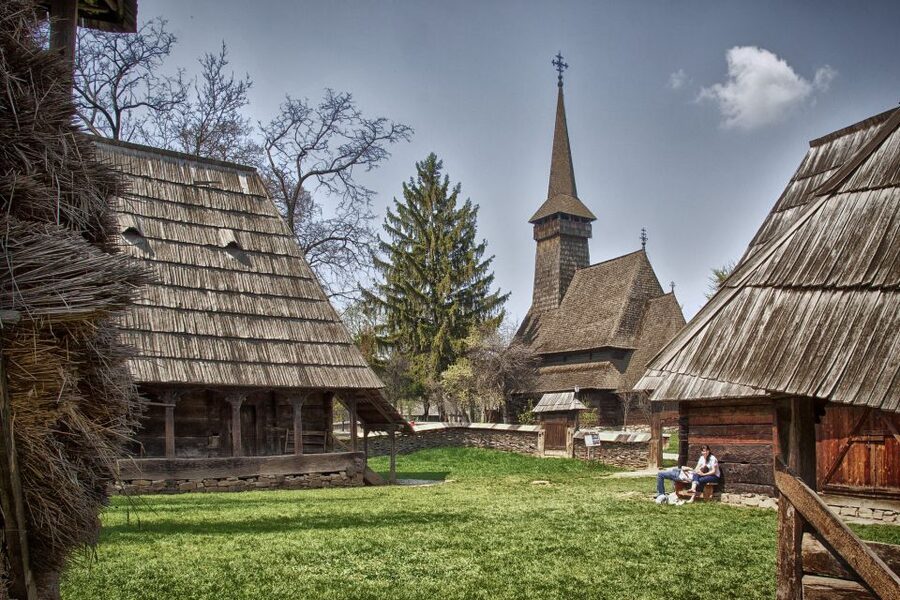
- Over 300 historic buildings: See homes, churches, barns, windmills, and inns moved from villages across Romania.
- A regional tour in one park: Architecture from Transylvania, Wallachia, Moldavia, the Danube Delta, and the Black Sea coast appears side by side.
- Three Romanian wines: Taste local varieties such as Feteasca Neagra, Tamaioasa Romaneasca, and Negru de Dragasani.
- Private and flexible: Hotel pickup, private transport, and a choice of final drop-off make the day easy to manage.
- Crafts add a human touch: Look for ie blouses, painted eggs, Horezu pottery, wooden masks, and traditional sweets.
- Best for adults and older children: The tour is not suitable for children under 3 or wheelchair users.
Why this half-day tour works
Bucharest can be hard to read at street level. It has grand avenues, communist-era blocks, elegant buildings, and busy modern districts, but the country’s village traditions are not always easy to find during a short city break. This tour gives you a clear route into that older Romania.
I like the sequence. First, you see how people lived and built. Then, you see what they made by hand. Finally, you taste what local vineyards produce. Each stop helps explain the next one.
The private format matters, too. You are not tied to a large group moving at one pace. Your guide can explain a detail, answer a question, or adjust the day if the heat becomes unpleasant. One booking with guide Mihai included an on-time pickup and a flexible response to very hot weather, which is exactly the sort of practical help you want on a walking tour.
The experience runs for about 4.5 hours. It begins with pickup in Bucharest and finishes near the Romanian Athenaeum, within walking distance of the Old Town area. The route includes a short pass by the Athenaeum, a 30-minute craft stop, a five-minute walk to the wine bar, and about 1.5 hours at both the museum and wine tasting.
More Romanian wine tastings:
- Wine Tasting in Bucharest
★ 5.0 · 183 reviews - Peles & Cantacuzino Castles: Gourmet Wine & Cultural Day trip
★ 4.5 · 67 reviews - Private Tour to Salt Mine, Lunch at Winery and Dracula Grave
★ 5.0 · 60 reviews
The Village Museum: rural Romania inside King Michael Park
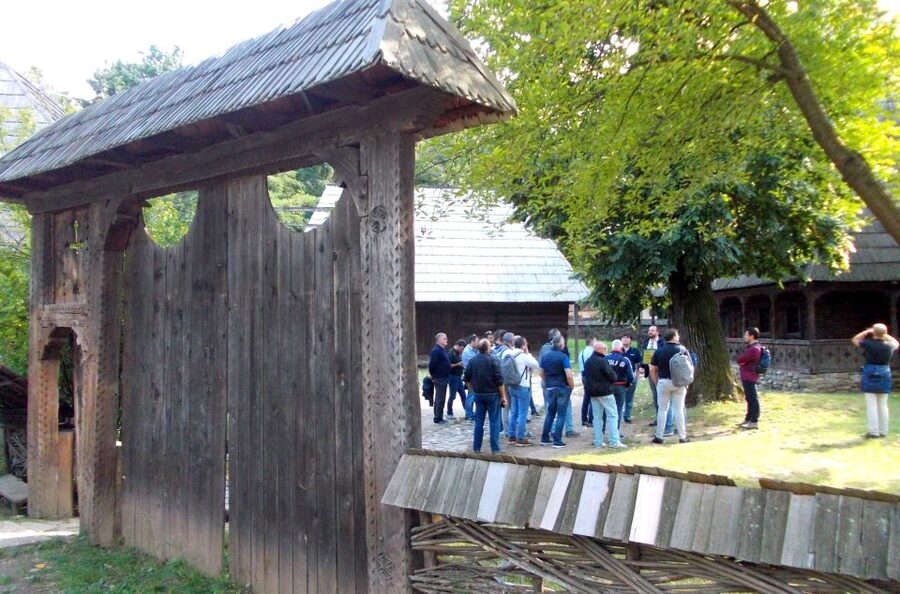
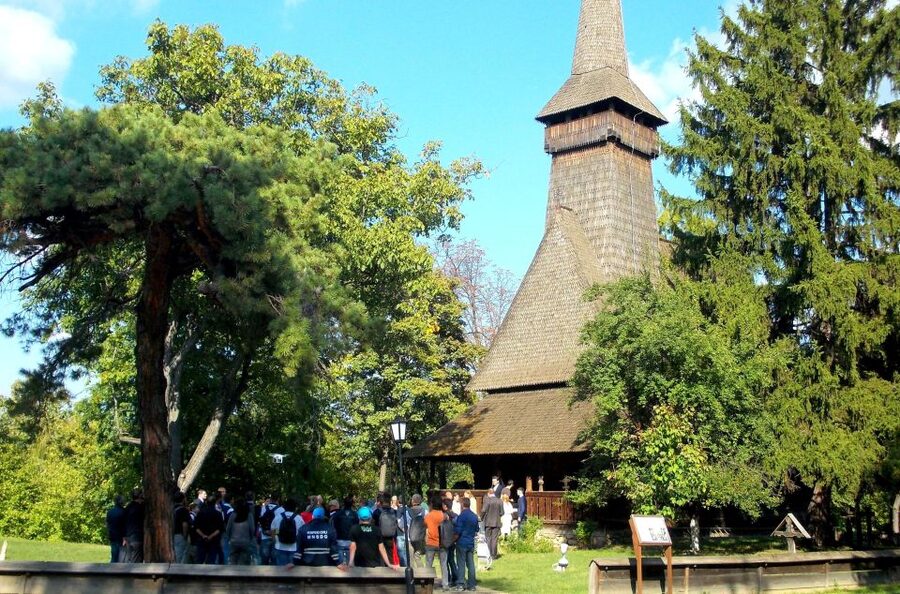
The Dimitrie Gusti National Village Museum is the heart of the tour. Opened in 1936 inside King Michael Park, it gathers more than 300 buildings from different parts of Romania and rebuilds them on the museum grounds. This is not a collection of small models. You walk among full-size homes and farm buildings brought from their original regions.
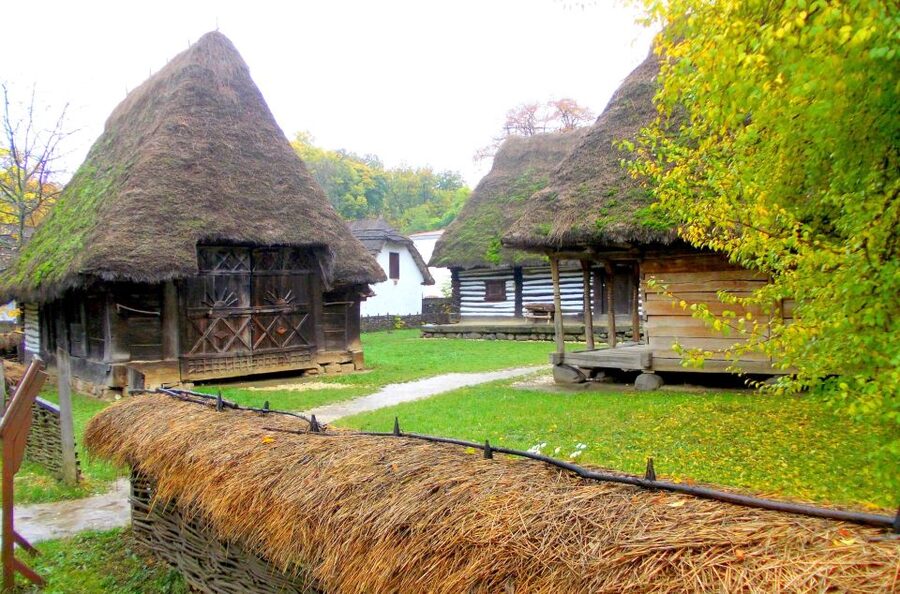
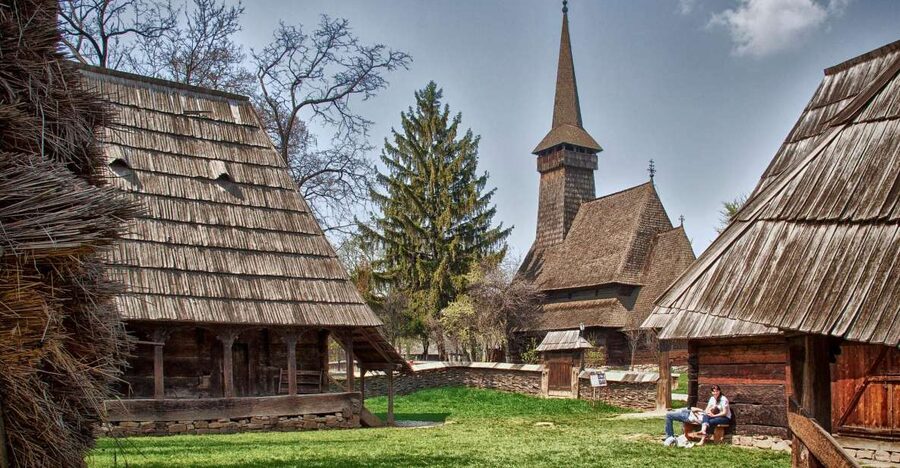
The museum works like a compact tour through Romanian building traditions. You might see steep-roofed peasant houses, thatched barns, wooden churches, mountain cabins, large inns, mansions, windmills, and homes from the Danube Delta or Black Sea coast.
That variety is the point. Romania is not one architectural region with one rural style. Mountain weather, available timber, farming methods, local customs, and economic differences all shaped the buildings you see. A wooden church from Transylvania tells a different story from a Wallachian mansion or a thatched house near the Danube.
Your guide gives the buildings context that a solo visit may lack. You can look at a painted detail or unusual roofline and understand why it matters, rather than simply moving on to the next structure. The best part of having a guide here is the regional comparison. You see several parts of Romania in one visit, then hear how their traditions differ.
Allow about 1.5 hours for this stop. That is enough for a guided overview, but not enough to inspect every building at length. If you are passionate about rural architecture or folk art, you may want to return independently for more time. For a first visit, the guided pace is a sensible tradeoff, since the grounds can otherwise feel large and the collection can be difficult to organize in your head.
The museum is outdoors, so dress for the season. A July booking became more comfortable because the guide adjusted the pace during extreme heat. In warm weather, light clothing, water, and sun protection will make the walk much easier.
What Romanian homes reveal about regional life
The Village Museum is more useful when you look past the postcard appeal. A house is not only a pretty old building. Its roof, windows, porch, storage areas, and materials reflect local weather and work.
In mountain areas, timber construction and steep roofs make practical sense. Near the Danube Delta or the coast, thatched roofs and windmills point to different materials and working conditions. Larger Wallachian and Moldavian homes suggest a different scale of wealth and social life than a small peasant dwelling.
Your guide can connect these details to folklore and daily routines. The tour description places architecture alongside traditional blouses, painted eggs, pottery, and other handmade objects, so the museum becomes more than a walk through old houses. It gives you a framework for understanding the objects you see later at the craft shop.
The wooden churches deserve special attention. They show how religious life and local craft traditions were tied together, especially in regions where wood was easier to work with than stone. You do not need to be an architecture expert to enjoy this stop. The value is in seeing how regional identity appears in ordinary buildings.
The Romanian Athenaeum: a useful city-center landmark
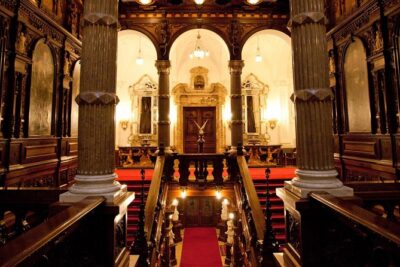
The route includes a short photo stop or pass by the Romanian Athenaeum, about 10 minutes. It is also the stated finishing point, so this gives the tour a convenient connection to central Bucharest.
Do not expect a long interior visit here. The Athenaeum functions mainly as a landmark on this experience. It helps mark the shift from rural traditions back to the city and leaves you close to the Old Town area.
The drop-off arrangement is practical. After the wine tasting, you can remain at the bar on your own or ask for directions to your accommodation or the nearby Old Town. If you want to continue sightseeing, finishing near the Athenaeum can work better than being returned to your hotel.
More food tours:
- Taste Bucharest: A Food Lover’s Tour of Markets & Neighbourhoods
★ 5.0 · 689 reviews - Street Food’n’Culture Tour
★ 5.0 · 209 reviews - Discover Bucharest: Private Highlights and Traditional Food Tour
★ 5.0 · 86 reviews - Bucharest Beer and Culture Tour with a Local
★ 5.0 · 47 reviews
Art and Craft Victoriei: Romanian traditions you can take home
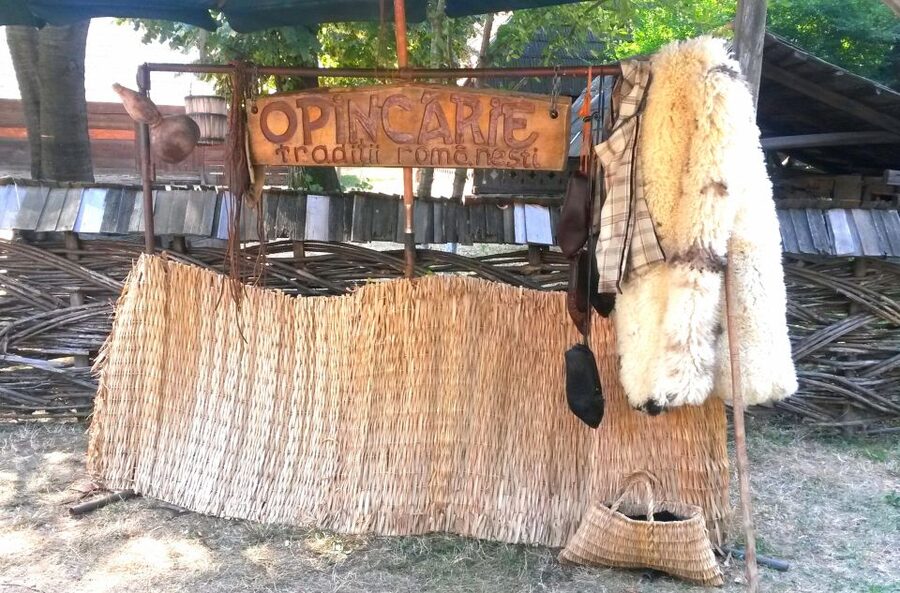
The second main stop lasts about 30 minutes at Art&Craft Victoriei, a shop focused on handmade Romanian goods. This is not as substantial as the Village Museum, but it gives you a closer look at traditional craft and a chance to buy something connected to what you have just seen.
Items may include the ie, Romania’s traditional blouse, glass-painted icons, Moldavian Easter eggs, Horezu pottery from Wallachia, wooden masks, small trinkets, books, Dracula-themed souvenirs, and traditional sweets.
The handmade details matter here. After seeing entire homes built around local customs, you can examine smaller objects made with the same sense of regional identity. Horezu pottery, for example, gives you a concrete link to Wallachian craft. Painted eggs connect to Moldavian decoration and seasonal tradition.
This stop is also useful if you want an easy souvenir without spending time searching several shops. The 30-minute visit keeps it from taking over the day, though serious shoppers may find the time short. You are not required to buy anything, and the main value is seeing examples of Romanian craft in one place.
The shop also sells knot cookies and chocolate nuts, which make simple edible gifts. Dracula merchandise is available too, but the mix means the stop ranges from serious folk art to familiar tourist goods. I see that as a fair compromise. You can choose an authentic handmade item, a book, a sweet, or a playful souvenir depending on your budget.
Romanian wine at the final stop
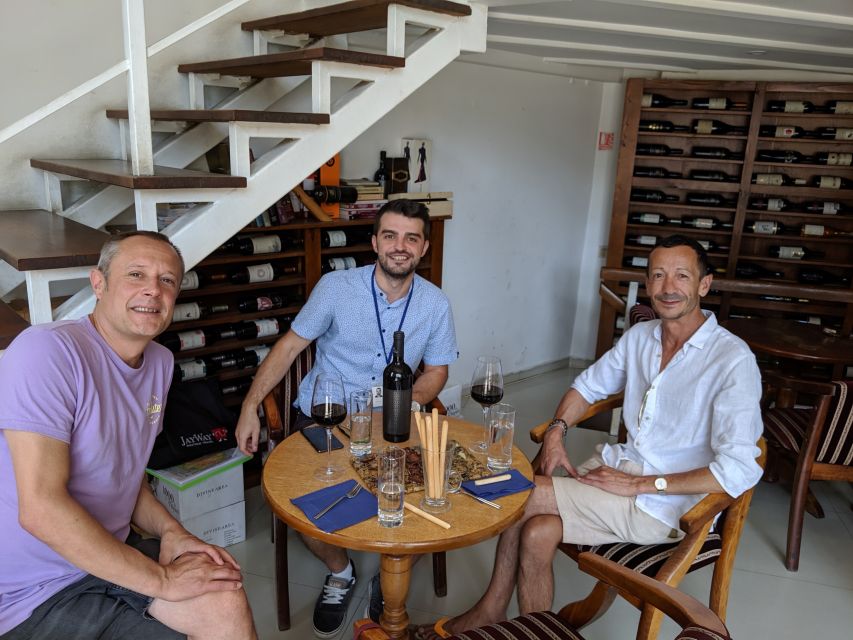
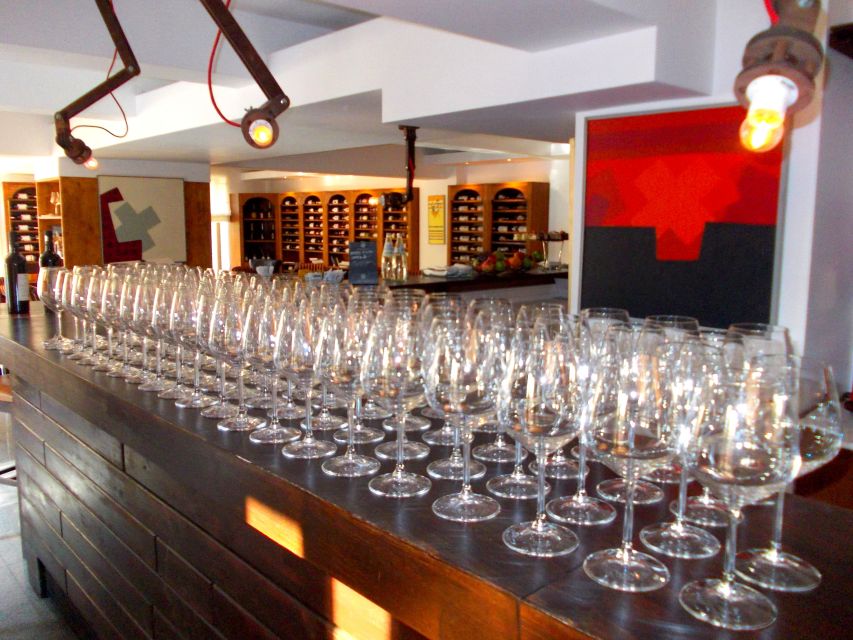
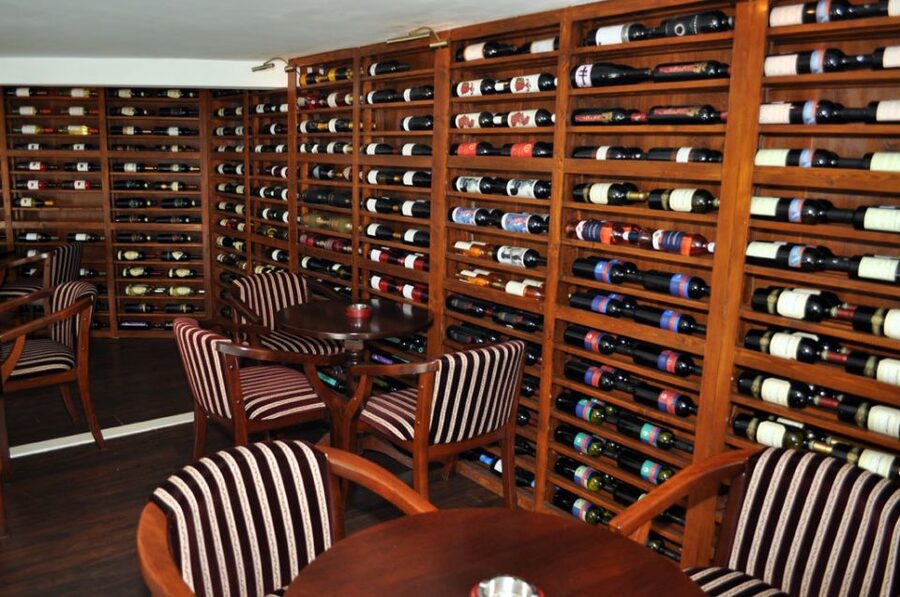
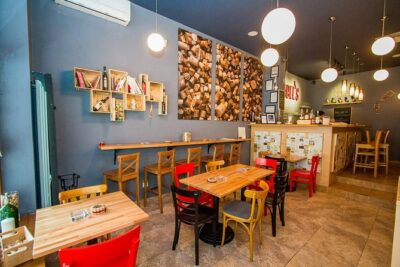
The last stop is a local wine bar, where you receive three glasses of Romanian wine, water, and a small plate of local cheese and charcuterie. The tasting lasts about 1.5 hours, giving the guide time to explain the wines instead of simply placing glasses on the table.
This is where the tour becomes more than a museum visit. Romania has a long viticulture tradition and is identified here as the world’s 12th largest wine producer. The tasting introduces you to the country’s wine revival and to the regional idea of terroir, meaning how soil, climate, and place shape a wine.
You may taste wines connected with Dealu Mare, one of Romania’s well-known wine areas. The tasting can also include local grapes that are less familiar outside the country, including Feteasca Neagra, Tamaioasa Romaneasca, and Negru de Dragasani.
Feteasca Neagra is especially useful to know because it is an endemic Romanian variety. Negru de Dragasani offers another distinctly local name, while Tamaioasa Romaneasca shows a different side of Romania’s wine culture. The point is not to become a wine expert in one sitting. It is to leave with a few names and enough context to order with more confidence during the rest of your trip.
The cheese and charcuterie plate gives the tasting a little substance, but it is still a small snack rather than a meal. Additional food and drinks are not included. If you arrive hungry, plan accordingly.
The wine stop received some of the strongest praise attached to this experience. It is described as informative, enjoyable, and extraordinary, with the history of Romanian wine explained alongside the tasting. That combination is important. A flight of three wines by itself would be pleasant, but the guide’s explanation gives it purpose.
You can also choose to stay longer at the bar after the official tour ends. That flexibility is helpful if the conversation is going well or you want another drink, though anything extra is at your own expense.
How the private format affects the value
At $153 per person, this is not a budget activity. The fee covers hotel pickup, private transport by car, van, or taxi, a licensed guide, museum admission, the Village Museum tour, and the three-glass tasting with water, cheese, and charcuterie.
For a couple or small private group, the price buys convenience as much as sightseeing. You do not have to arrange transport to the museum, find the craft shop, locate the wine bar, or work out your return to central Bucharest. You also get a guide who can link the three stops together.
Solo visitors need to think harder about the cost. One solo booking still received a friendly private experience and an enjoyable museum and tasting visit, but $153 is a larger personal expense when there is no one to share the private transport cost with.
The tour received a perfect five-star score from eight verified bookings, with repeated praise for guide knowledge, enthusiasm, punctual pickup, flexibility, and the wine tasting. That pattern tells me the guide is central to the experience. The museum itself is worth seeing, but the quality of the explanations and the connection between culture and wine are what justify the private price.
Who should book this Bucharest experience?
I would recommend it if you want a guided introduction to Romania beyond the city center. It suits you especially well if you enjoy architecture, folk art, local food, and wine, but have only half a day available.
It is also a good choice early in your Bucharest stay. Afterward, you will recognize Romanian craft motifs, understand a few regional differences, and have local wine names to look for in restaurants or shops.
The tour is less suitable if you want a long, slow museum visit, a full meal, or a low-cost group excursion. The craft stop is brief, and the wine plate is a snack. You should also reconsider it if outdoor walking is difficult, since wheelchair users cannot take part and the museum requires time on foot.
Children under 3 are not allowed. English and Romanian are the available tour languages, and the private format means the group is limited to your own booking rather than a large shared party.
Practical details that improve the day
Your guide waits in the hotel lobby next to reception. If your accommodation has no lobby, the meeting point is downstairs at the entrance in front of the building. Confirm that you can be reached at the agreed pickup point.
The day begins in Bucharest and ends at the Romanian Athenaeum. The stated itinerary includes private transport between the city and the museum, then a short walk from the craft shop to the wine bar.
You can cancel up to 24 hours before the tour for a full refund, and the reserve-now, pay-later option keeps your plans flexible. Starting times depend on availability, so check the schedule before settling it into a busy sightseeing day.
Should you book it?
Book this tour if you want one well-organized half-day that explains Romanian culture through buildings, objects, and wine. The Village Museum is the main reason to go, while the craft shop and wine bar make the experience feel connected rather than fragmented.
I would choose it for a first Bucharest visit, especially with a partner or small group. The price is high for a solo traveler, but the private pickup, licensed guide, museum entry, regional explanations, and three-wine tasting make it fair for those who value ease and local context. Skip it only if you need a very cheap outing, a full lunch, or a fully accessible route.
FAQ
How long does the tour last?
The experience lasts 4.5 hours, including pickup, the museum visit, the craft shop, transport, the wine tasting, and the final drop-off.
Where does the tour begin?
Pickup is provided in Bucharest. The guide waits in your hotel lobby beside reception, or downstairs at the entrance if your accommodation has no lobby.
Where does the tour finish?
The tour finishes at the Romanian Athenaeum, close enough to walk to Bucharest’s Old Town area. You can also request directions back to your accommodation.
Is transport included?
Yes. Private transport by car, van, or taxi is included between the tour stops where needed.
What is included in the wine tasting?
You receive three wine glasses, one glass of water, and a small local cheese and charcuterie platter.
Which Romanian wines might I taste?
The tasting may include varieties such as Feteasca Neagra, Tamaioasa Romaneasca, and Negru de Dragasani, with discussion of regions such as Dealu Mare.
Is the Village Museum entrance included?
Yes. Museum entrance fees and a guided tour at the Dimitrie Gusti National Village Museum are included.
What languages are available?
The live guide languages are English and Romanian.
Can children join the tour?
Children under 3 years are not permitted. The activity is otherwise described as a private group experience, but no specific upper age limit is given.
Is the tour wheelchair accessible?
No. The experience is not suitable for wheelchair users.
Can I cancel the booking?
Yes. Cancellation up to 24 hours in advance qualifies for a full refund. You can also reserve now and pay later.
More Museums
- Bucharest: Museum of Senses Entry Ticket
★ 4.2 · 364 reviews - Communism in Bucharest – Landmarks, Museum & Communist Appetizers
★ 5.0 · 111 reviews - Bucharest: Entry ticket at the Museum of Communism
★ 4.6 · 57 reviews - Bucharest: Museum of Communism Ticket with Communist Coffee
★ 4.6 · 52 reviews
Just added around Bucharest
- 10 hours Private Apiary Tour in Romania – From Bucharest★ 5.0 · 3 reviews
- 4-Day Inside Transylvania & Transfagarasan Tour from Bucharest★ 5.0 · 3 reviews
- Bucharest: Charm of the Belle Époque Private Tour★ 5.0 · 3 reviews
- Bran & Peles Castles through the Best Road in the World: Transfagarasan road★ 4.5 · 3 reviews
- 2-Day Small-Group Tour in Transylvania from Bucharest – Maximum 5 Persons★ 5.0 · 3 reviews
- Private Wine Tasting at Bucharest’s First Wine Bar★ 5.0 · 3 reviews
- Bucharest to Brasov – Fast Private Transfer★ 5.0 · 3 reviews
- Probably the Best Restaurant and Wine Cellar near Bucharest★ 4.5 · 3 reviews
Wine Tours, compared.
Peles & Cantacuzino Castles: Gourmet Wine & Cultural Day trip
Read our review →
Private Tour to Salt Mine, Lunch at Winery and Dracula Grave
Read our review →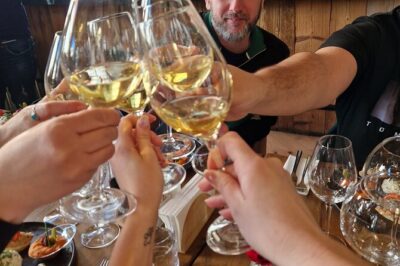
Half-Day Private Food and Wine Walking Tour Oradea Romania
Read our review →
Day trip to Republic of Moldova – visit Chisinau and Cricova Winery
Read our review →
Traditions in Bucharest: Village Museum and Wine Tasting Tour
Read our review →Browse the lists this tour appears in