
Reviewed · WINE TOURS
Traditions in Bucharest: Village Museum and Wine Tasting Tour
Romania’s traditions come with a wine pairing. This five-hour Bucharest tour links the open-air Dimitrie Gusti National Village Museum with handmade crafts and a tasting of Romanian wines, giving you history, architecture, food, and drink in one easy outing. I especially like the private guide format and the chance to try grapes such as Feteasca Neagra, rather than sticking to familiar international labels. The main drawback is time: five hours gives you a strong introduction, but not a slow, detailed visit to every museum building.
I also like the practical setup. Hotel pickup, private air-conditioned transport, and a city-center finish remove much of the guesswork, while the wine bar sits within walking distance of the Romanian Athenaeum and Old Town. Guides such as Mihai Vataselu and Emma have earned especially warm praise for clear English, lively storytelling, careful driving, and adapting the pace for families or gentle walkers. If you do not drink alcohol, the final stop will offer less value, since wine is central to the experience.
In This Review
- Key points to know before booking
- Why this half-day tour works well in Bucharest
- The Village Museum brings Romania’s regions together
- A private guide makes the architecture easier to read
- Handmade Romanian crafts in a short shopping stop
- Romanian wine and local food finish the afternoon
- Pickup and timing make the five hours easy
- Who will get the most from this experience
- Booking details worth noting
- Should you book the Village Museum and Wine Tasting Tour?
- FAQ
- How long does the Bucharest Village Museum and wine tour last?
- Is hotel pickup included?
- Where does the guide meet me for hotel pickup?
- Where does the tour finish?
- Is transportation private?
- Is admission to the Village Museum included?
- How much wine is included?
- What Romanian wines might I taste?
- Is the tour suitable for children?
- How much walking is involved?
- Is this a private tour?
- Can I cancel for a full refund?
Key points to know before booking
- Three very different Bucharest stops: See traditional houses and churches, browse Romanian handicrafts, then taste local wine with cheese and sausage.
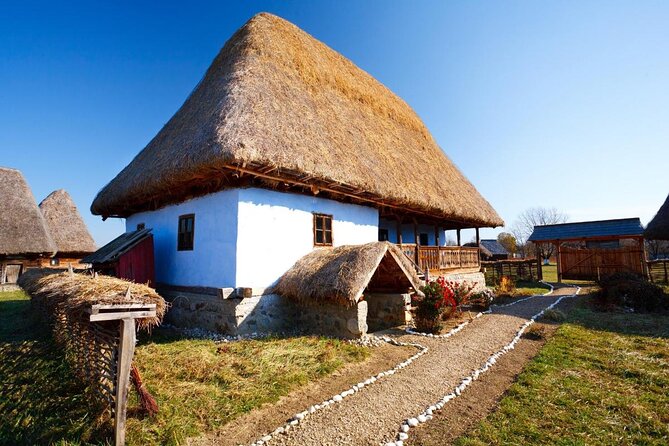
- The Village Museum is the centerpiece: Buildings from Romania’s historic provinces include Danube Delta homes, Moldavian and Wallachian houses, Transylvanian timber architecture, mills, barns, and churches.
- Private guiding changes the visit: Your guide can explain why homes were built differently from region to region and can adjust the route for your group.
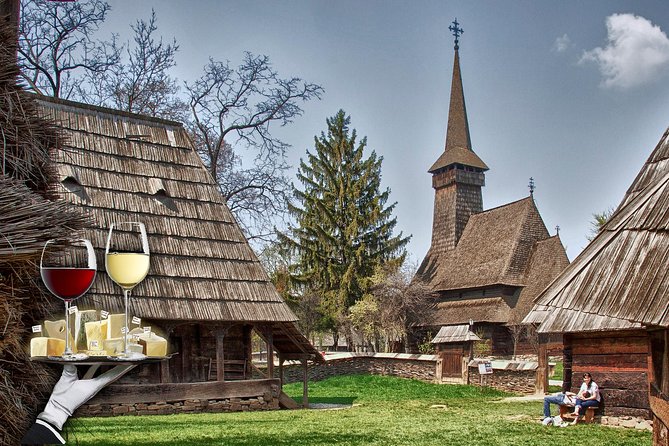
- The tasting includes three glasses per person: You sample Romanian wines, including regional varieties such as Feteasca Neagra or Negru de Dragasani, with cheese and charcuterie.
- Pickup is included within Bucharest: Your guide meets you in your hotel lobby and drives you in a private, air-conditioned vehicle.
- The tour ends conveniently downtown: After the tasting, you can stay at the wine bar or walk toward the Romanian Athenaeum and Old Town.
Why this half-day tour works well in Bucharest
Bucharest can be a tricky city to read at first. Its grand avenues, Orthodox churches, old houses, Communist-era buildings, and busy traffic do not always explain themselves. This experience gives you a useful cultural frame without asking you to spend a full day in a vehicle.
The shape of the tour is smart. You begin with rural architecture, move to small handmade objects, and finish with wine and food. That progression helps you connect Romanian life to the countryside, regional craft, and agriculture. It is not just a collection of unrelated stops.
The private format matters most at the museum. A guide can point out details you might otherwise pass by, such as roof shapes, carved wooden fronts, painted church interiors, and the practical reason for a mill or oil press being placed where it was. You are not locked into the pace of a large group, and your questions can shape the conversation.
The experience costs $148.19 per person. That is not a budget museum visit, but the price includes a private licensed guide, hotel pickup, private transport, museum admission, and three wine glasses with cheese and charcuterie. For a couple or small group wanting comfort and context, the package can offer fair value. It is less attractive if you are happy using public transport, exploring independently, and paying separately for a museum ticket and wine tasting.
More Romanian wine tastings:
- Wine Tasting in Bucharest
★ 5.0 · 183 reviews - Peles & Cantacuzino Castles: Gourmet Wine & Cultural Day trip
★ 4.5 · 67 reviews - Private Tour to Salt Mine, Lunch at Winery and Dracula Grave
★ 5.0 · 60 reviews
The Village Museum brings Romania’s regions together
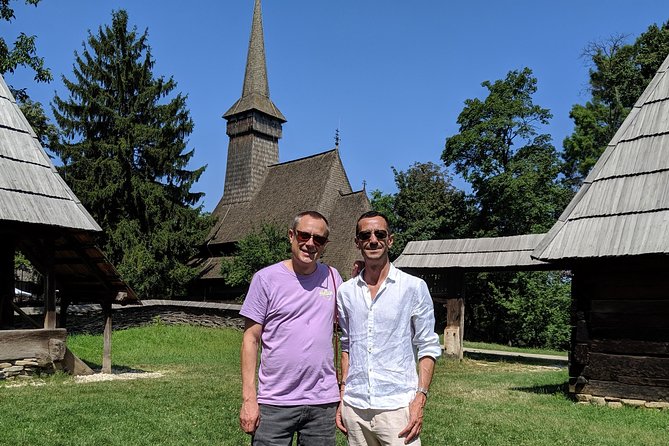
Allow about two hours for the Dimitrie Gusti National Village Museum, an open-air collection beside a lake in Bucharest. The setting presents traditional buildings from Romania’s historical provinces, with examples dating back to the 17th century.
The museum’s strength is variety. You might see reed-roofed houses associated with the Danube Delta, simple homes from Moldavia or Wallachia, and finely carved wooden facades from Transylvania. Steep-roofed peasant houses, thatched barns, log cabins, watermills, windmills, oil presses, road crucifixes, and wooden churches help show how rural life differed across the country.
That regional range is more useful than seeing one isolated old cottage. You can compare building materials, roof lines, decoration, and layout. A house from a wet river region naturally looks different from one built in a forested mountain area. The guide’s explanations turn those differences into a readable story about work, climate, faith, and local custom.
The wooden churches are a particular highlight. Their painted decoration and carved construction give the visit a strong sense of place. You should allow time to look closely rather than treating the museum as a quick outdoor photo stop.
The museum is also the part of the tour with the most walking. The listed walking amount is less than one mile, but the route is outdoors and spread among many buildings. Comfortable shoes are sensible, and the guide can adjust the visit for people who walk slowly. One guide, Michael, was specifically praised for helping a group with gentle walkers see as much as possible.
A small limitation is that the museum is a reconstruction rather than a village where people still live. That means you will not see ordinary daily life unfolding around the buildings. Its value comes from the range of preserved structures and the explanations that connect them to Romania’s regions.
A private guide makes the architecture easier to read
The quality of the guide is central here. Mihai Vataselu has been praised for combining history, architecture, politics, food, wine, and modern Romania in clear English. That broad conversation can be useful if this is your first day in the country and you want more than a list of dates.
Mihai also used printed maps and photographs to show where buildings and wines came from. Those visual aids are practical at a museum spread over a large area. Instead of trying to remember several province names, you can see the geographic relationship between them.
The best guides do not simply identify a building. They explain why it looks that way and how people used it. That is the difference between walking past a timber house and understanding what the timber, roof, porch, or carving tells you.
The private arrangement also leaves room for personal interests. If you care most about churches, rural work, painted decoration, or regional architecture, you can spend more time in that area. Families with children can ask for a lighter pace, and the tour has been described as suitable for families with small children.
Do keep expectations in check. The guide can add meaning, but the museum remains an open-air site. Weather, walking conditions, and your own interest in historic buildings will affect how much you enjoy the first two hours.
Handmade Romanian crafts in a short shopping stop
The 30-minute craft-shop visit is brief but well chosen for anyone who wants a tangible reminder of Romania beyond mass-produced souvenirs. Everything here is handmade, with items connected to several parts of the country.
You can look for traditional Romanian blouses called ie, glass-painted icons, Moldavian Easter eggs, Horezu pottery from Wallachia, and wooden masks associated with Transylvania. The shop also carries books, traditional sweets, small trinkets, and Dracula-themed souvenirs.
This stop works best as a cultural extension of the museum. After seeing regional architecture, you see how Romanian identity appears in clothing, religious art, pottery, woodwork, and food. It also gives you a chance to buy something made locally, although the tour does not include any purchases.
Thirty minutes is enough for browsing, not for a long shopping session. If you are a serious craft buyer, you may want to return on your own later or ask the guide for directions. If shopping is not your priority, the stop is short enough that it should not take over the day.
The traditional sweets may appeal to families, while the pottery, embroidered blouses, and painted eggs are more distinctive keepsakes than generic city merchandise. Prices are not provided, so plan to treat shopping as optional spending beyond the tour price.
More food tours:
- Taste Bucharest: A Food Lover’s Tour of Markets & Neighbourhoods
★ 5.0 · 689 reviews - Street Food’n’Culture Tour
★ 5.0 · 209 reviews - Discover Bucharest: Private Highlights and Traditional Food Tour
★ 5.0 · 86 reviews - Bucharest Beer and Culture Tour with a Local
★ 5.0 · 47 reviews
Romanian wine and local food finish the afternoon
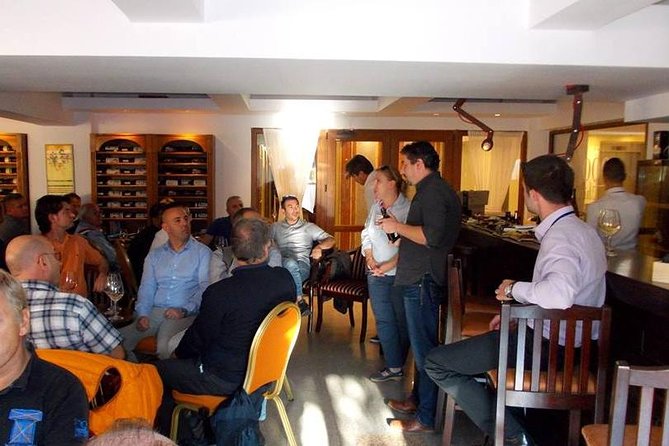
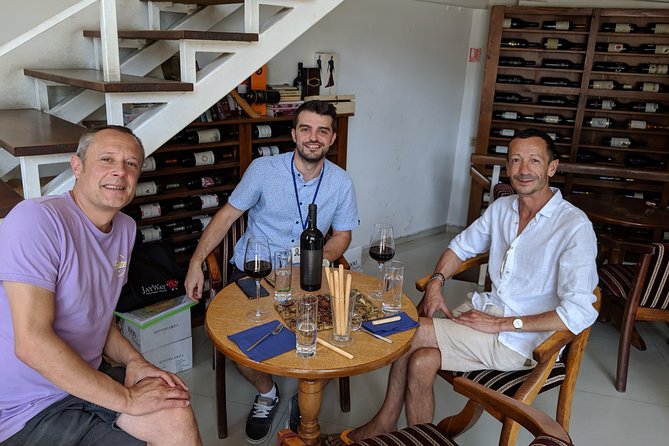
The final stop takes place at a local wine bar in the Old Town area, on historic Victory Avenue. The tasting focuses on Romanian wine and the Dealu Mare region, one of the country’s best-known wine-producing areas.
Romania has more than 2,000 years of wine-making tradition and is described here as the world’s 11th-largest wine producer. The point is not simply to drink three glasses. You learn how regional conditions shape the wine and get an introduction to grapes you may not know from home.
Feteasca Neagra and Negru de Dragasani are two examples. The former is a Romanian variety with a name meaning Black Maiden, while Negru de Dragasani is another local red grape. The precise wines can vary, so you should treat the tasting as an introduction rather than a fixed bottle list.
The included serving is three wine glasses per person, paired with a plate of traditional cheese and charcuterie. The food gives the tasting more substance than a few sips at a counter. Cheese and smoked sausage also make the final stop feel connected to Romanian eating habits, not just a standard tourist tasting.
One account describes four wines being sampled, while the tour details specify three glasses per person. I would plan around the confirmed three-glass inclusion and regard any extra pour as dependent on the venue or guide. Additional food and drinks are not included.
The wine bar is a good place to continue talking with your guide. Mihai has been praised for explaining Romanian wine in an approachable way, including its history and regional varieties. If you are new to Romanian wine, ask which bottle best represents Dealu Mare and which grape is most unusual to your palate.
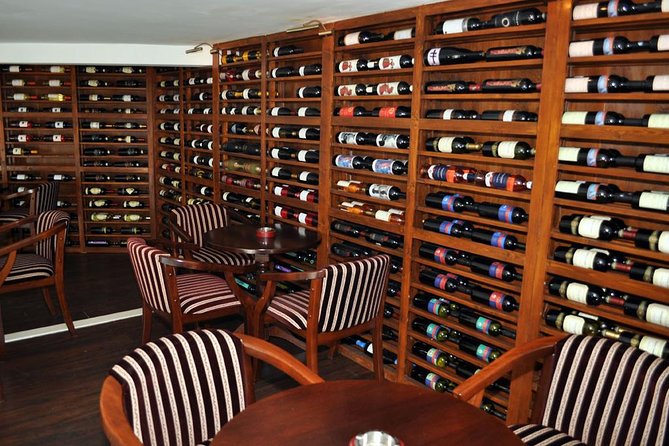
After the tasting, you can remain at the bar independently or ask for directions. The end point is only a few minutes from the Romanian Athenaeum and about 15 minutes from Old Town on foot. That makes the finish useful: you are not dropped at an isolated meeting point when the formal tour ends.
Pickup and timing make the five hours easy
The tour begins at the Romanian Athenaeum, at Strada Benjamin Franklin 1-3, but free pickup is offered from any accommodation within Bucharest city limits. When booking, enter the exact hotel name or address. Your guide meets you in the lobby near reception.
Private transport is more than a luxury in Bucharest. Traffic can be heavy and unpredictable, and moving between the museum and central stops by car saves time and reduces navigation work. The air-conditioned vehicle is also helpful during warm weather.
The scheduled duration is about five hours. The Village Museum receives roughly two hours, the craft shop 30 minutes, and the wine stop about two hours. The final timing may feel generous if you are not interested in wine, but it allows the tasting to be social rather than rushed.
The tour begins and ends in the central area, even though the formal end is at the wine bar. Most hotels, restaurants, museums, and major sights lie between the Athenaeum and Old Town, so you can continue sightseeing without returning to your hotel first.
The tour is offered in English and receives a 4.9 rating from 27 ratings, with 96 percent recommending it. The small number of ratings means you should not treat those figures as a guarantee, but the repeated praise points to a clear strength: guide quality.
Who will get the most from this experience
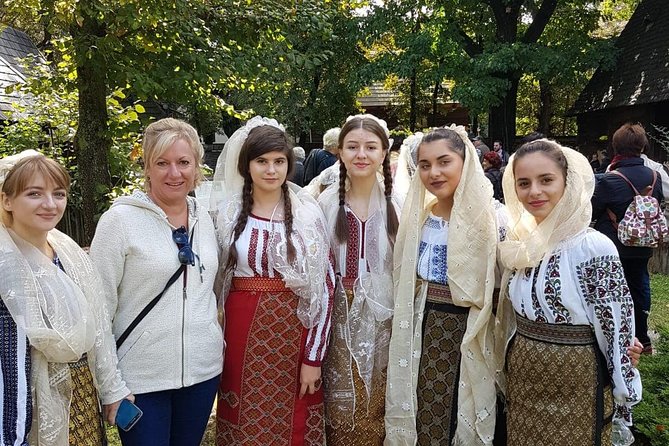
I would recommend this tour to you if you want a first look at Romania’s regional culture without arranging several separate visits. It is especially suitable for couples, families, and small private groups who value conversation and a flexible pace.
It also works well early in a Bucharest stay. The Village Museum gives you a base for understanding houses, clothing, crafts, and food you may encounter later in Romania. The guide can also offer broader context about Bucharest, Transylvania, politics, and modern life, based on the interests of your group.
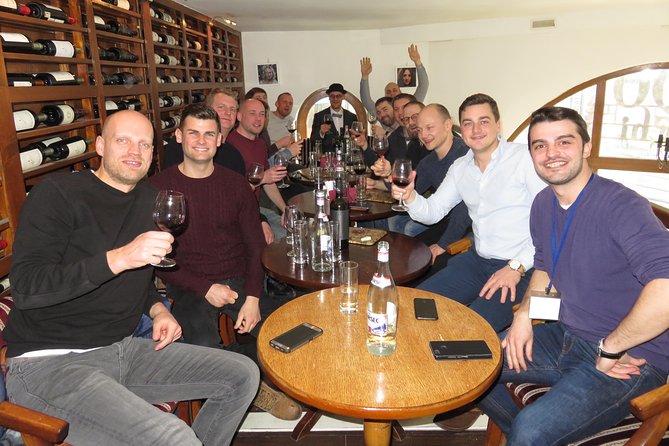
Wine fans will get the most from the final stop. You can try grapes rarely found outside Romania and learn the names of important wine regions. The cheese and smoked sausage make it a pleasant introduction to local flavors.
You might choose another activity if your priority is Bucharest’s Communist-era architecture, major art museums, or a long Old Town walking tour. This experience spends its main sightseeing time on rural traditions, then uses the city center for crafts and wine.
The tour is not designed for heavy walking, with less than one mile listed, but the museum is outdoors and spread out. Most people can participate, and gentle walkers can ask the guide to adjust the pace. The minimum drinking age is 18.
Booking details worth noting
Confirmation arrives when you book, and the tour is offered as a private activity for your group alone. Group discounts may be available, so larger parties should check the final per-person price before deciding.
Free cancellation is available until 24 hours before the start time for a full refund. Changes or cancellations made less than 24 hours before the scheduled start are not accepted for a refund. Since pickup depends on the correct accommodation address, enter that information carefully and watch for confirmation from the operator.
The tour is often booked well ahead, with an average booking time of 146 days in advance. That does not mean you must reserve that early, but it is a useful signal for busy travel periods. If you have a fixed arrival date and want a private English-language guide, booking early is sensible.
Should you book the Village Museum and Wine Tasting Tour?
Book it if you want a friendly, efficient introduction to Romanian culture and prefer having the meaning explained as you go. The strongest reasons are the private transport, the museum’s wide regional range, and guides such as Mihai and Emma, who bring history and wine together without making the afternoon feel like a lecture.
At $148.19 per person, it is a premium half-day outing. I think the value is strongest for two or more people sharing a private experience, especially if hotel pickup and a careful English-speaking guide matter to you. Solo visitors or strict budget travelers may find it expensive compared with arranging the museum and a wine bar independently.
My practical advice is to schedule it near the start of your Bucharest visit, wear comfortable shoes, and arrive ready to ask questions. If you enjoy architecture, local food, regional wine, and stories about how people lived, this tour gives you a useful and enjoyable first taste of Romania.
FAQ
How long does the Bucharest Village Museum and wine tour last?
The experience lasts approximately five hours.
Is hotel pickup included?
Yes. Free pickup is available from hotels or other accommodations within Bucharest city limits.
Where does the guide meet me for hotel pickup?
Your private guide meets you in the hotel lobby, next to the reception desk.
Where does the tour finish?
The tour finishes at the wine bar on historic Victory Avenue. It is a few minutes on foot from the Romanian Athenaeum and about 15 minutes from the Old Town area.
Is transportation private?
Yes. Private transportation in an air-conditioned vehicle is included.
Is admission to the Village Museum included?
Yes. The Village Museum entrance fee is included in the tour price.
How much wine is included?
Three wine glasses per person are included, along with a plate of traditional cheese and charcuterie.
What Romanian wines might I taste?
The tasting may include Romanian varieties such as Feteasca Neagra and Negru de Dragasani, with a focus on the Dealu Mare wine region.
Is the tour suitable for children?
Most people can participate, and the experience has been described as family-friendly. The minimum drinking age is 18, so anyone below that age cannot take part in the alcoholic tasting.
How much walking is involved?
A small amount of walking is involved, listed as less than one mile. The guide can adjust the pace for gentle walkers.
Is this a private tour?
Yes. Only your group participates in the private activity.
Can I cancel for a full refund?
Yes, if you cancel at least 24 hours before the experience start time. Cancellations or changes made less than 24 hours before the start are not eligible for a refund.
More Museums
- Bucharest: Museum of Senses Entry Ticket
★ 4.2 · 364 reviews - Communism in Bucharest – Landmarks, Museum & Communist Appetizers
★ 5.0 · 111 reviews - Bucharest: Entry ticket at the Museum of Communism
★ 4.6 · 57 reviews - Bucharest: Museum of Communism Ticket with Communist Coffee
★ 4.6 · 52 reviews
Just added around Bucharest
- 10 hours Private Apiary Tour in Romania – From Bucharest★ 5.0 · 3 reviews
- 4-Day Inside Transylvania & Transfagarasan Tour from Bucharest★ 5.0 · 3 reviews
- Bucharest: Charm of the Belle Époque Private Tour★ 5.0 · 3 reviews
- Bran & Peles Castles through the Best Road in the World: Transfagarasan road★ 4.5 · 3 reviews
- 2-Day Small-Group Tour in Transylvania from Bucharest – Maximum 5 Persons★ 5.0 · 3 reviews
- Private Wine Tasting at Bucharest’s First Wine Bar★ 5.0 · 3 reviews
- Bucharest to Brasov – Fast Private Transfer★ 5.0 · 3 reviews
- Probably the Best Restaurant and Wine Cellar near Bucharest★ 4.5 · 3 reviews
Wine Tours, compared.
Peles & Cantacuzino Castles: Gourmet Wine & Cultural Day trip
Read our review →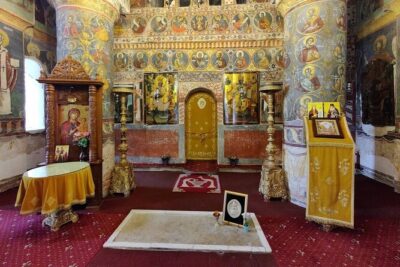
Private Tour to Salt Mine, Lunch at Winery and Dracula Grave
Read our review →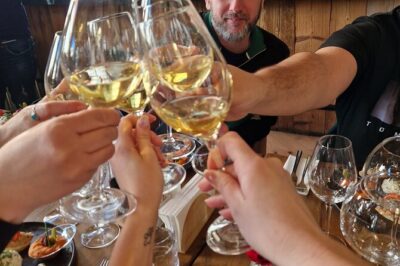
Half-Day Private Food and Wine Walking Tour Oradea Romania
Read our review →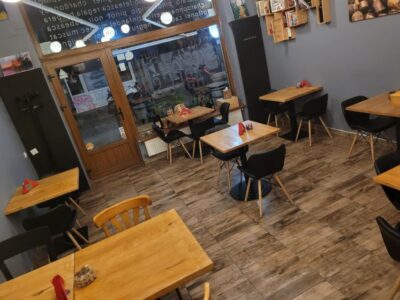
Day trip to Republic of Moldova – visit Chisinau and Cricova Winery
Read our review →Small-group max 7, Salt Mine, Lunch at Winery & Dracula Grave
Read our review →Browse the lists this tour appears in