

Reviewed · 7-DAY EXPERIENCES
7 Days Private Guided Tour in Romania from Bucharest
Romania rewards curious road trippers. This seven-day private tour links royal castles, Dracula country, Saxon villages, Orthodox churches, Roman ruins, and the Danube Gorge in one ambitious loop from Bucharest. I like the private car and flexible schedule, and I like the chance to see places such as Densus Church, Viscri, and the Iron Gates that many shorter tours skip. The main drawback is the pace: you cover a lot of ground, and entrance fees, hotels, food, and drinks are extra.
The route also benefits from a personal guide-driver rather than a fixed coach schedule. Names connected with the service include Andrei and Nicolas, both praised for attentive help and friendly company. Before booking, I would confirm your exact guide, sleeping arrangements, and the total cost after adding admissions and meals.
In This Review
Key points before you book
- Seven days, one large Romanian loop: The route begins in Bucharest and reaches Transylvania, Hunedoara, the Danube Gorge, Târgu Jiu, Horezu, and Curtea de Argeș.
- Private transport for your group: You travel with only your friends or family in a tourism car or minibus, with fuel, parking, tolls, and wireless internet included.
- Flexible daily plans: The guide can adjust the schedule after the tour begins, useful when you want more time in a medieval town or less time at a crowded castle.
- A strong mix of famous and lesser-known sights: Peles, Bran, Sighișoara, and Corvin Castle share the route with Viscri, Densus Church, Biertan, and the Bigar area.
- The price covers the guide, not your holiday costs: At $2,480.58 per person, the package includes the private vehicle and the guide’s expenses, but not your accommodation, meals, drinks, or entrance tickets.
I like the way this tour treats Romania as more than a Dracula destination. You get the royal mountain retreat at Peles, the Saxon towns of Transylvania, Orthodox monasteries, communist-era engineering, Roman archaeology, and modern sculpture by Constantin Brâncuși.
That range is the tour’s biggest strength. A first visit can easily become a parade of castles, but this route keeps changing its subject. One morning you may be studying medieval defenses, and later you are looking at a carved mountain monument above the Danube or a church built from stones with ancient origins.
The private format matters here. A guide-driver can explain local stories while handling the roads, parking, and changes in timing. You are not tied to a large group waiting for every person to return to the bus.
Still, this is not a slow holiday. Several days include three or more major stops, and the route crosses much of the country. You should be comfortable with long road sections, short visits, and walking on historic surfaces. The 1480 steps at Poienari Castle are the clearest physical challenge, but castles, towers, caves, and old town centers also require walking.
The opening day introduces three different sides of Romania. Peles Castle is the grand centerpiece, built as the Romanian royal family’s summer residence in the mountain resort of Sinaia. You have about two hours here, enough to appreciate the exterior and visit the interior if you purchase admission.
Peles works best with a guide who can explain the royal setting and the castle’s place in Romanian history. Its ornate rooms and European design make it feel unlike the fortified castles later in the trip. The practical catch is that the admission ticket is not included, and castle access can affect how much time remains for the other stops.
Sinaia Monastery offers a quieter change of pace. The visit lasts about 30 minutes, with time to see its Orthodox art and religious setting. I like this stop because it keeps the day from becoming only a parade of royal architecture. Dress and behave respectfully at the place of worship, and remember that admission is also listed as extra.
In Brasov, you get about two hours in the historic center near the Black Church. This is a good place to walk, admire the old buildings, and get your first strong taste of Transylvania’s urban character. The historic center itself has no admission charge listed, though particular churches or museums may have their own rules.
The day is well balanced in subject matter, but the order leaves little room for a long, relaxed café stop. If you want extensive interior visits at Peles and the Black Church, ask the guide how the timing will work.
Bran Castle brings the famous Dracula connection, but the value of the stop is greater when you separate fiction from history. The castle resembles the setting associated with Bram Stoker’s Count Dracula, yet the attraction is also a real medieval building with its own Romanian story.
You have around two hours at Bran. Outside, you can sample traditional foods including handmade cheeses, pálinka, ham, and sausages. That makes the stop more than a photo opportunity, though food and drinks are not included in the tour price. Admission to the castle is extra.
Sighișoara is one of the route’s strongest stops. Its citadel dates back to the medieval period and has remained inhabited for more than 700 years. The town is also associated with Vlad the Impaler, the historical figure linked to the Dracula legend.
The two-hour visit should give you time to walk through the old citadel and notice how ordinary life continues among the historic buildings. That living-town quality is more interesting than a preserved site with nobody in it. The cobbled streets and old defensive setting can be tiring, so comfortable shoes will help.
The Clock Tower adds another half hour. Its colorful tiled roof is one of Sighișoara’s most recognizable sights, and the view from the top is a good reason to pay for entry. The museum inside includes objects and a scale model of the fortified town, but the quality of English explanations can vary.
Viscri, visited for about 90 minutes, takes you into rural Transylvania. Its fortified church and Saxon village setting have gained attention through restoration work and visits by Prince Charles. I like this stop because it shows how village life and conservation can exist together, rather than giving you another grand building with a gift shop as the main attraction.
Sibiu gets a focused morning of architecture and religious history. The Big Square, or Piața Mare, has served as a city center since the medieval period and once functioned as a grain market. Its broad shape reflects Renaissance and later urban planning.
You have about an hour to walk around the square. This is a good time for photographs and orientation before moving into the city’s churches. The schedule is short enough to keep the tour moving but not long enough for an unhurried exploration of every side street.
The Orthodox Cathedral of the Holy Trinity takes about 30 minutes. Its Byzantine design recalls the Sofia Cathedral in Constantinople, giving you a useful contrast with Sibiu’s Germanic and Lutheran buildings. Admission is extra.
The Lutheran Evangelical Cathedral and Tower receive about 45 minutes, with the admission listed as free. This stop helps explain the religious mix of Transylvania, where Saxon communities shaped towns, churches, and fortifications over many centuries.
Biertan is the day’s most distinctive architectural stop. Its fortified Lutheran church was built by the Transylvanian Saxon community and is now part of a UNESCO World Heritage site that includes several fortified church villages in Transylvania.
You have about an hour there, with admission extra. Biertan is especially worthwhile if you want to understand why churches in this region were built for defense as well as worship. The day has a calmer rhythm than Day Two, but you still need to allow for road travel between Sibiu and Biertan.
Densus Church is one of the tour’s most unusual stops. The church was built in stages over an older structure dating to the fourth century, with later changes reaching into the 13th century. Inside, you can see mural paintings dating to 1443.
The visit lasts about 30 minutes, and admission is extra. The building’s mixture of styles is precisely what makes it worth seeing. It does not offer the polished grandeur of Peles, but it gives you a better sense of Romania’s long and layered past.
Corvin Castle, also called Hunyadi Castle, supplies the large medieval spectacle. Its Gothic towers, bridges, and defensive features make it one of Romania’s most memorable castles. It served both residential and defensive purposes from the 15th century and later underwent major restoration after a destructive fire.
The two-hour visit gives you time to explore the museum and look for views from the defense towers. Admission is extra. I would not rush this stop. The castle is large, and its appeal comes from moving through the spaces rather than taking one exterior photograph.
Bigar Cascade Falls is a short 30-minute nature stop in the Minis Canyon. The waterfall drops over moss-covered rock, creating a delicate curtain of water. It is a pleasant change after the castle, although half an hour leaves little room for a long walk or broader exploration.
The day is visually strong but demanding. Densus and Corvin are far apart in character, and the waterfall adds another change of scene. You should ask about the exact road plan, since the published schedule gives stop lengths but not driving times.
The Iron Gates area brings the Danube into focus. Here the river narrows and its currents can appear to boil, especially around the gorge. You have about an hour to take in the river scenery and learn about the major engineering project begun during Romania’s communist period in the 1960s.
This stop works best as a landscape and engineering lesson. It is not a traditional monument visit, so your enjoyment will depend on your interest in rivers, infrastructure, and the scale of the gorge.
The nearby Statue of King Decebalus is one of the route’s boldest sights. Carved into a mountain cliff above the Danube and Kazan Gorge, the monument rises 128 meters above the water. It took ten years to complete and honors the Dacian king’s resistance and bravery.
The viewing stop lasts about 45 minutes and is free. The monument gives you a visual entry point into ancient Romanian history, while the river below keeps the scene from feeling like a standard museum visit.
At Drobeta, you spend about an hour with Roman ruins near the mouth of the Danube, including remains associated with the ancient bridge. The visit is free. It is a compact archaeology stop, but it adds useful context to the route by showing that Romania’s story reaches well before its medieval castles.
Day Five may be the least castle-focused part of the trip, and that is a strength. After several days of citadels and churches, the open river and Roman remains offer a needed change.
Târgu Jiu’s sculpture ensemble is devoted to Constantin Brâncuși and commemorates wartime sacrifice. The four main works include the Table of Silence, the Chairs Alley, the Gate of the Kiss, and the Infinity Column, arranged along a 1275-meter axis.
The schedule gives 20 minutes for the Table of Silence, 20 minutes for the Gate of the Kiss, and 30 minutes for the Infinity Column. Those visits are free, but the timing is quite brief for a work spread across a long urban route. I would ask whether the guide can adjust the order or allow more walking time if modern art matters to you.
The sculptures are simple in form but carry strong symbolic meaning. You do not need a background in art to appreciate the clean shapes and the connection between the separate pieces.
Horezu Monastery offers another shift in style. It is considered one of Romania’s finest Orthodox monasteries and is part of the UNESCO World Heritage list. The architecture is distinctly Romanian, and the area is also associated with Horezu ceramics.
The visit lasts about 30 minutes and is listed as free. That is enough for a first look, though anyone interested in religious art, ceramics, or monastery architecture may want more time.
Polovragi Cave, at the foot of the Carpathian Mountains near the Oltet Gorges, receives about an hour. Admission is extra. Cave visits can involve uneven surfaces, so take care and follow the guide’s advice. This final stop gives Day Six a physical and geological finish after the formal sculpture and monastery visits.
Poienari Castle is the most demanding stop on the tour. The ruined fortress sits at roughly 860 meters and is linked directly with Vlad the Impaler. Reaching it requires climbing 1480 steps.
The visit is scheduled for about two hours, with admission extra. That time includes the climb, the ruins, and the return descent, so this is not a casual photo stop. If you have knee, balance, or stamina concerns, discuss the visit with the guide before the day begins.
Vidraru Dam follows with a short 15-minute stop. Completed in 1966, the 166-meter arch dam creates Lake Vidraru and stores a huge volume of water. The brief visit is enough for a look and photographs, not a full engineering tour.
Curtea de Argeș Monastery closes the route with a major Orthodox cathedral dedicated to the Dormition of the Mother of God. The pale gray limestone exterior, frescoed interior, and nearby Neo-Romanian Royal Palace make it an appropriate final stop.
You have about 45 minutes there, and admission is extra. The monastery is a strong ending because it returns you to religious architecture after the road trip’s castles, rivers, and ruins.
The price is high for a seven-day private tour, but it pays for more than transportation between famous sights. Your group gets a private car or minibus, a licensed English-speaking guide-driver, fuel, parking, road tolls, and wireless internet.
The guide’s accommodation, meals, and entrance fees are included. Your own accommodation is not. Neither are your meals, drinks, or entrance tickets at the listed attractions.
That distinction matters. Peles, Bran, Sighișoara’s Clock Tower, Biertan, Corvin Castle, Polovragi Cave, Poienari, and Curtea de Argeș can all add to the final bill. Ask for a realistic estimate of those costs before paying.
Private transport can be good value for a family or small group that would otherwise need to arrange several transfers and day trips. It is less attractive for a solo visitor on a tight budget. Group discounts are offered, but the amount is not specified.
The strongest value comes from flexibility and coverage. You are not simply buying seven days of driving. You are paying for a guide who can adjust the route, handle the roads, and connect small historic sites with the better-known attractions.
I would recommend it to families, friends, couples, and Romanian Canadians returning to see more of the country. One family used the trip as both a history lesson and a way to visit major places such as Brasov and Sibiu.
It also suits people who want a broad first look at Romania and do not want to rent a car. The private setup is especially useful when your group has different interests, since the guide can make changes after the tour starts.
I would be cautious about booking it if you prefer slow mornings, long meals, or several nights in one place. The route is ambitious, and the combination of historic centers, towers, caves, and Poienari’s steps requires energy.
The personal service seems to be a major strength. Andrei is praised for working hard to please his group, while Nicolas is described as exceptionally helpful from airport pickup through the week. Since guide assignments can change, request the person you want when you book, but do not assume that person is guaranteed.
FAQ
A few more trips worth weighing up before you book
- 7-Day Private Tour of Transylvania from Bucharest
★ 5.0 · 13 reviews - 4×4 Driving Experience at Flying Altitudes – 7 Days
★ 5.0 · 13 reviews - Transylvanian week
★ 5.0 · 7 reviews
Is accommodation included in the tour price?
No. The tour price includes accommodation, meals, and entrance fees for the guide, but not accommodation for you. You must also pay for your own food, drinks, and attraction admissions.
Is this a private tour?
Yes. Only your group participates, and transport is provided in a private tourism car or minibus.
Is pickup available?
Yes. Pickup is offered, and one account describes airport pickup as part of the service.
A completely different kind of day out around Bucharest:
- Bucharest: Dracula’s Castle, Peles Castle, & Brasov Old Town
★ 4.5 · 17,858 reviews - Bucharest: Dracula Castle, Peles Castle & Brasov Old Town
★ 4.6 · 10,891 reviews - Bucharest: Dracula’s Castle, Peleș Castle & Brașov Day Trip
★ 4.5 · 5,919 reviews - Bucharest: Palace of Parliament Tickets and Guide
★ 4.3 · 3,182 reviews
Are entrance fees included?
No. Entrance fees for the listed attractions are not included for you. The guide’s entrance fees are included.
Can the daily schedule be changed?
Yes. The tour allows substantial flexibility, including changes after the tour has started.
What is the cancellation policy?
You can cancel for a full refund if you do so at least 24 hours before the experience begins. Cancellations or changes made less than 24 hours before the start time are not accepted for a refund.
Book it if you want one private route that connects Romania’s best-known castles with villages, monasteries, Roman ruins, sculpture, and the Danube Gorge. I especially like the inclusion of Viscri, Densus Church, Biertan, and Târgu Jiu, since they give the trip more character than a standard Bucharest to Bran circuit.
Before booking, calculate the full cost with your own hotels, meals, drinks, and admissions. Also confirm the guide, vehicle, daily driving plan, and how much time you will have at the busiest stops.
For an active group that values personal attention and a wide view of Romania, this is a strong choice. For a slow-paced holiday or a low-cost trip, the price and packed schedule may be harder to justify.
Just added around Bucharest
- 10 hours Private Apiary Tour in Romania – From Bucharest★ 5.0 · 3 reviews
- 4-Day Inside Transylvania & Transfagarasan Tour from Bucharest★ 5.0 · 3 reviews
- Bucharest: Charm of the Belle Époque Private Tour★ 5.0 · 3 reviews
- Bran & Peles Castles through the Best Road in the World: Transfagarasan road★ 4.5 · 3 reviews
- Private Wine Tasting at Bucharest’s First Wine Bar★ 5.0 · 3 reviews
- 2-Day Small-Group Tour in Transylvania from Bucharest – Maximum 5 Persons★ 5.0 · 3 reviews
- Probably the Best Restaurant and Wine Cellar near Bucharest★ 4.5 · 3 reviews
- Bucharest to Brasov – Fast Private Transfer★ 5.0 · 3 reviews
7-Day Experiences, compared.
4×4 Driving Experience at Flying Altitudes – 7 Days
Read our review →
7-Day Private Tour of Transylvania from Bucharest
Read our review →
Amazing Romania – Seven day private tour from Bucharest
Read our review →7-Day Romania Tour -Transylvania and Painted Churches
Read our review →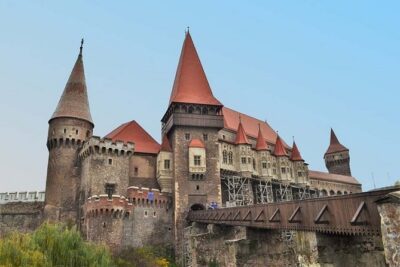
7 days Private Romania Grand Tour from Bucharest
Read our review →
Discover Medieval Transylvania Small Group Tour – 7 days
Read our review →
7 Day Best of Transylvania Motorcycle Tour from Cluj
Read our review →Browse the lists this tour appears in