
Reviewed · WALKING TOURS
Timișoara Highlights – Walking Tour
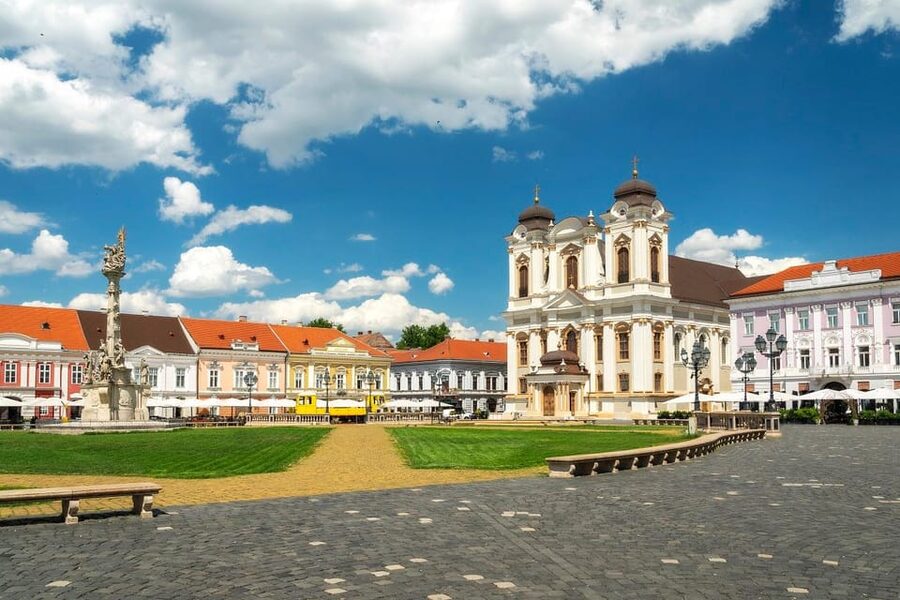
Timișoara tells its story one square at a time. I like how this two-hour walk links the city’s Ottoman, Habsburg, and revolutionary past instead of treating each sight as a separate monument. I also like the language angle: German, Romanian, Hungarian, and Serbian influences help explain why Timișoara has long felt like a meeting point in this part of Europe. The main drawback is simple: two hours goes quickly, and you will not enter museums or spend long inside any one building.
The route is especially appealing with guide Armand Iftode Mihai, whose style combines dates, local legends, architectural details, and practical answers about visiting Timișoara. Families have found his explanations work well for children and teenagers, and his German, English, and Romanian make the tour accessible to a wide range of visitors. Still, wear proper walking shoes and be sure everyone in your group is comfortable walking through the city center for the full two hours.
In This Review
- Key points at a glance
- Why a two-hour walk works well in Timișoara
- Starting at Timișoara’s oldest building
- Liberty Square and the Ottoman chapter
- Saint George Square and the city’s smaller stories
- Old city walls and the Habsburg era
- Union Square and the city’s grand center
- The Synagogue and the Jewish story
- Returning to Liberty Square before Victory Square
- Victory Square and the 1989 Revolution
- Armand’s guiding style and language options
- Who gets the best value from the $35 price
- Practical advice before you book
- Should you book Timișoara Highlights?
- FAQ
- How long does the Timișoara Highlights walking tour last?
- What languages are available?
- Is this a private group tour?
- Does the price include museum entrance?
- What places are included on the route?
- Is the tour wheelchair accessible?
- What should I bring?
Key points at a glance
- Seven centuries of changing languages: Learn how different cultures and ruling powers shaped daily life in Timișoara.
- The route begins at the city’s oldest building: The opening stop gives the tour a clear sense of place before moving through the main squares.
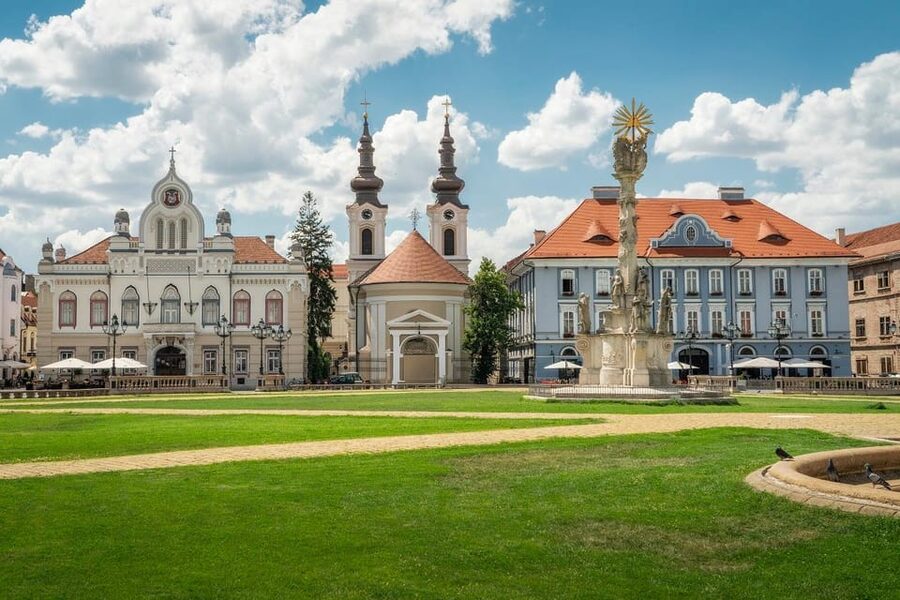
- Ottoman and Habsburg Timișoara: Liberty Square, Saint George Square, and the old walls reveal two very different chapters of the city.
- A stop at the Synagogue: The itinerary adds a Jewish heritage site to the better-known central squares.
- A direct link to the 1989 Revolution: Victory Square provides the modern political climax of the walk.
- Private, guide-led, and museum-free: The $35 price covers a personal walking tour with no extra entrance tickets.
Why a two-hour walk works well in Timișoara
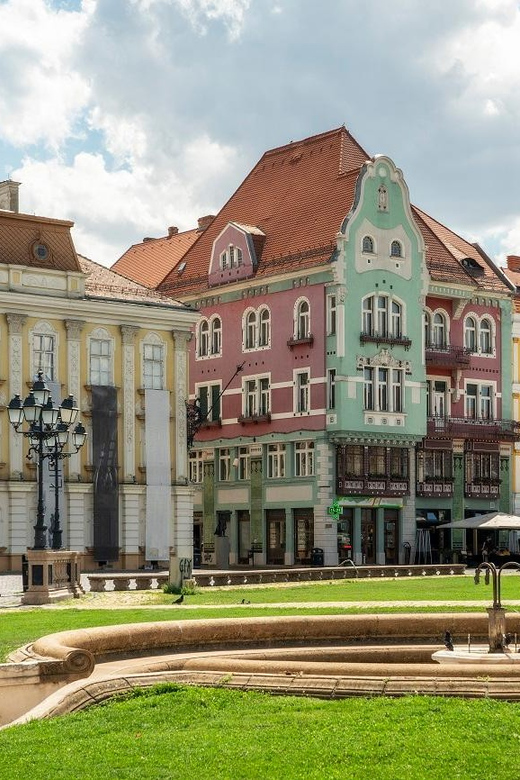
Timișoara’s central district is compact enough to explore on foot, but its past is not simple. The city has passed through Ottoman rule, Habsburg administration, and the upheavals of modern Romania. A good walking tour helps you see those layers in the same streets rather than filing them away as disconnected facts.
I like the shape of this route because it moves through time as you move through the city. You begin with the oldest building, step into the Ottoman period, shift to the Habsburg era, consider the city’s Jewish community, and finish with the 1989 Revolution. That order gives the walk a natural arc.
At $35 per person, the value depends on what you want from a city tour. You are paying for two hours with a live guide in a private group, not for museum admission or transport. Since no extra tickets are needed, the price is easy to understand. If you prefer a personal introduction on your first day, it is a fair use of money. If you mainly want to take photographs at your own pace, a self-guided walk will cost less.
The tour is also a useful first look rather than a complete study of Timișoara. You will see important places from outside and hear why they matter. You will need separate time if you want museum visits, long church interiors, or a slower examination of architecture.
More walking tours:
- Timisoara All in One – Walking and Tram Tour
★ 5.0 · 72 reviews - Timisoara: Guided Walking Tour
★ 4.9 · 38 reviews - Timisoara: Classic Walking Tour
★ 5.0 · 26 reviews
Starting at Timișoara’s oldest building
The meeting point is the oldest building in Timișoara. That is a strong way to begin because you get an immediate sense of age before hearing about later rebuilding and urban change.
From here, Armand leads you on a short walk toward Liberty Square. The opening section appears designed to get everyone oriented without wasting time on a long introduction. You are already in the historic center, so the setting itself becomes part of the lesson.
This first stop can be particularly useful if you have just arrived in the city. You begin to understand that Timișoara is not one uniform old town. Its appearance reflects different periods, political decisions, and communities. Ask practical questions early, too. Armand has been praised for answering questions about spending time in Timișoara, not just reciting prepared facts.
Because the tour is private, the pace can be more responsive than on a large group walk. A child can ask a basic question without holding up a crowd, and an adult can follow up on architecture or politics. That flexibility is one of the better reasons to choose this format.
Liberty Square and the Ottoman chapter
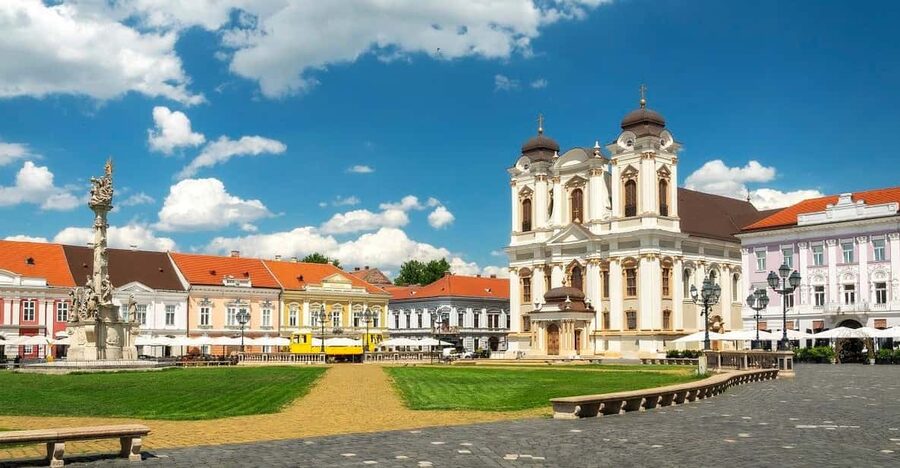
Liberty Square is where the tour turns toward the Ottoman period. You will hear what the city was like under Ottoman rule and how that period fits into the longer story of Timișoara.
This is more useful than simply attaching the word Ottoman to a date. The square gives you a physical setting for the discussion. Armand uses fun facts and local stories to make the period easier to remember, rather than presenting only a string of rulers and battles.
The exact appeal will depend on your interests. If you enjoy military and political history, you will likely appreciate the discussion of conquests and changing control. If you prefer ordinary life, ask how different communities and languages shaped the city during these periods. The tour’s stated focus on several cultures makes that kind of question feel central, not like a side note.
Liberty Square also returns near the end of the route, before you continue to Victory Square. That repeated stop helps connect the older city to the modern one. You see the same central setting as part of a long story rather than a single historical moment.
Saint George Square and the city’s smaller stories
The walk continues to Saint George Square, where the emphasis shifts toward fun facts and personalities. This is often where a guide can make a central square feel human.
Armand’s approach, according to the feedback shared about the tour, mixes serious material with humor and local legends. That balance matters during a walking tour. If every stop is a lecture, two hours can feel long. If every stop is a joke, you leave without understanding anything. The better moments connect a memorable anecdote to a real place.
I would encourage you to listen for the names and personalities that shaped Timișoara, not only the major rulers. A city becomes easier to picture when you know who lived, worked, argued, built, or led there. The tour promises stories about personalities and local details, so Saint George Square should be one of the livelier sections.
Families may find this stop helpful. One parent described Armand’s answers to a 13-year-old as both excellent and suitable for that age, while another family recommended the walk for children. That does not mean every child will enjoy two hours on foot, but it suggests the guide can adjust his explanations when young people are listening.
A few more trips worth weighing up before you book
- The Classic Tour of Timisoara
★ 5.0 · 154 reviews - Weekly Guided Tour in English – Tuesday, Thursday, Saturday
★ 5.0 · 84 reviews - Day trip to Corvin Castle and Sibiu (and back) from Timisoara
★ 5.0 · 30 reviews - Danube Gorge & Banat Waterfalls
★ 5.0 · 27 reviews
Old city walls and the Habsburg era
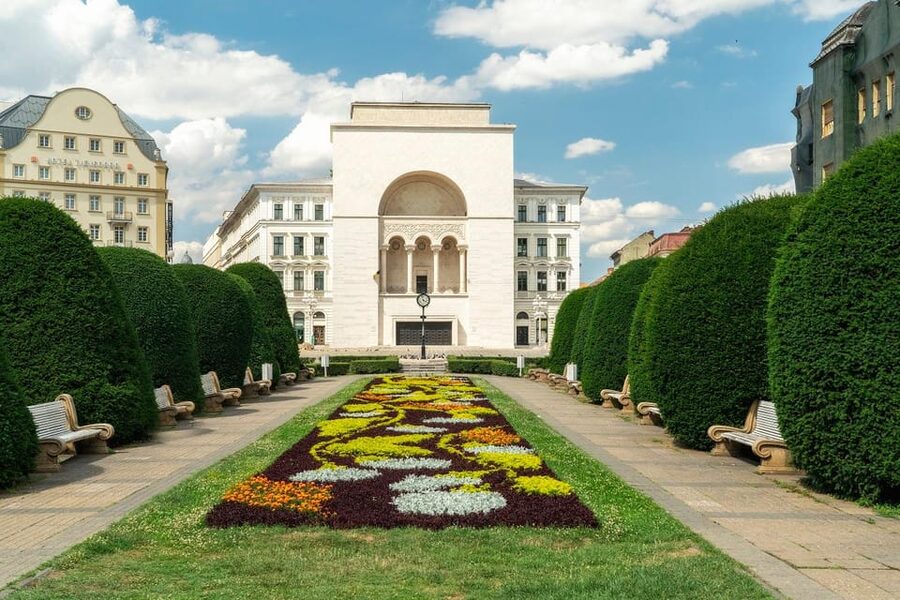
The next major historical shift comes with the old city walls and the Habsburg period. This is an important contrast with the Ottoman section because it shows how the city was reorganized after a change in power.
You will not simply hear that the Habsburgs arrived and then move on. The walls give the discussion a visible reference point. Even if only parts remain or the setting has changed, the idea of a fortified city helps you read the center differently.
This section is likely to appeal to anyone interested in urban planning, military history, or the way cities adapt after conquest. It also gives useful context for the central squares that follow. Timișoara’s old center is not just a collection of attractive facades. It reflects defense, administration, religion, commerce, and the needs of several communities.
The limitation is that the tour does not include museum entry. You will get an explanation at the site, but not a full indoor presentation of artifacts or maps. For many people, that is fine: the walk stays moving, and the guide provides the framework you need before exploring more on your own.
Union Square and the city’s grand center
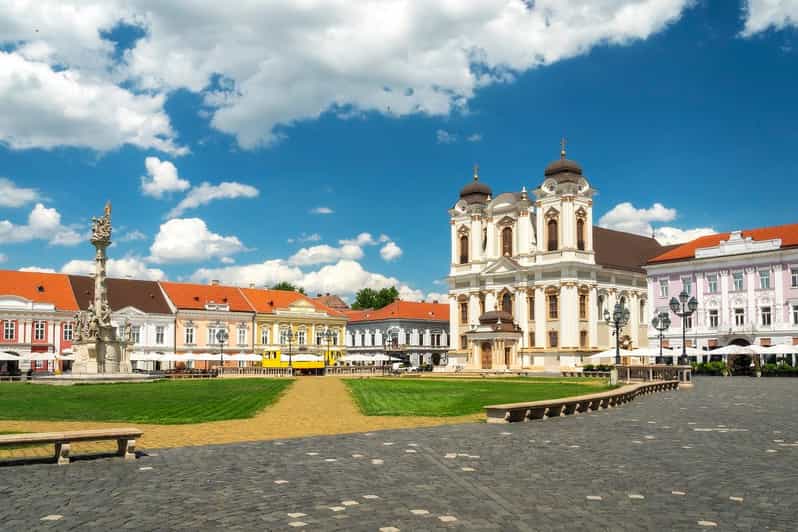
After the old walls, the route makes a short walk to Union Square. This is one of the places where Timișoara’s central architecture and layered identity come together.
The value of a guided visit here is not just seeing a broad square. It is learning how to read the buildings around it, how the square fits into the Habsburg-era city, and how different communities left their mark. The tour’s wider theme is clear here: Timișoara has been shaped by more than one national story.
You will hear repeated references to the languages spoken in the city over the past 700 years. That detail gives the tour a useful local focus. Timișoara is not presented as a place with one fixed identity, but as a city formed by contact among cultures.
This is also a good point to take photographs, though the group will continue according to the walking schedule. If you need a long pause for pictures, tell Armand early. The tour has several stops, and two hours leaves little room for an unscheduled break.
The Synagogue and the Jewish story
The itinerary includes a stop at the Synagogue, adding an important religious and cultural layer to the tour. This is one of the more valuable choices in the route because Jewish heritage can be overlooked when a city tour focuses only on rulers, fortifications, and famous squares.
The visit helps widen your view of who made Timișoara what it is. You will not be entering museums on this experience, and the provided information does not promise an interior visit to the Synagogue. Expect a guided look at the site and its place in the city rather than a full building tour.
I appreciate this stop because it keeps the focus on communities as well as conquests. Buildings connected to religious life can tell you about settlement, trade, local identity, and periods of change. Ask Armand how the Synagogue fits into the city’s broader multicultural past.
For visitors who want a complete Jewish heritage itinerary, this walk will only be a starting point. You would need more time elsewhere for detailed architectural study or additional sites. But within a short city-center route, the Synagogue provides a welcome reminder that Timișoara’s story cannot be reduced to military and political events.
Returning to Liberty Square before Victory Square
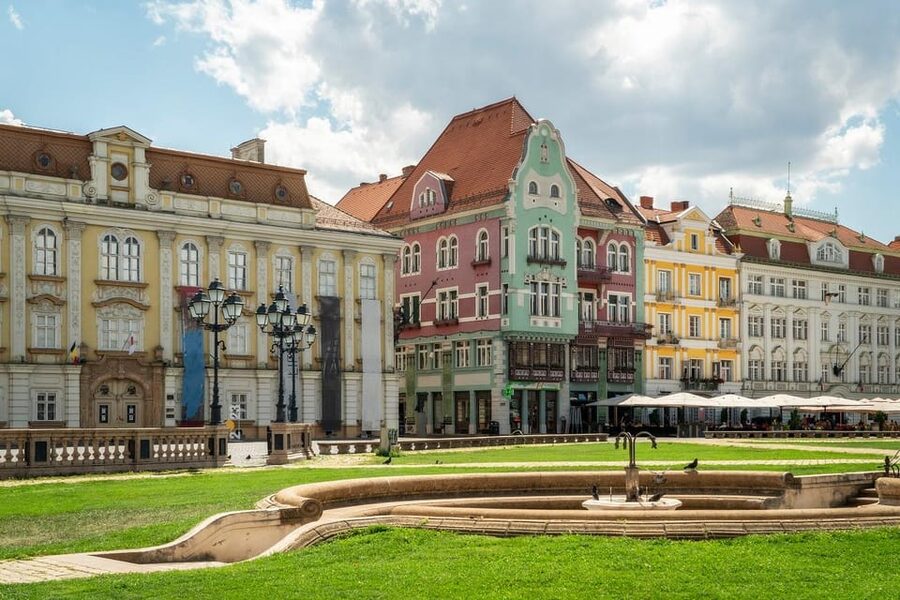
The route returns to Liberty Square before reaching Victory Square. That return gives the tour a useful pause between older history and the events of modern Romania.
By now, the square should mean more than it did at the beginning. You have heard about Ottoman Timișoara, considered local personalities, and looked at the later Habsburg city. Returning to the same place lets you connect those periods rather than treating them as isolated chapters.
This is also where the multilingual theme makes sense as a whole. The greeting used to introduce the tour, Guten Tag, Bună ziua, Jó napot, and Dobro jutro, points to the city’s German, Romanian, Hungarian, and Serbian connections. It is a small but effective reminder that language can reveal a city’s past.
I would not expect an academic seminar here. The tone is practical and story-led, with humor and legends mixed into the facts. That makes the walk easier to follow, though people who want exact dates and exhaustive detail may find the two-hour format necessarily selective.
Victory Square and the 1989 Revolution
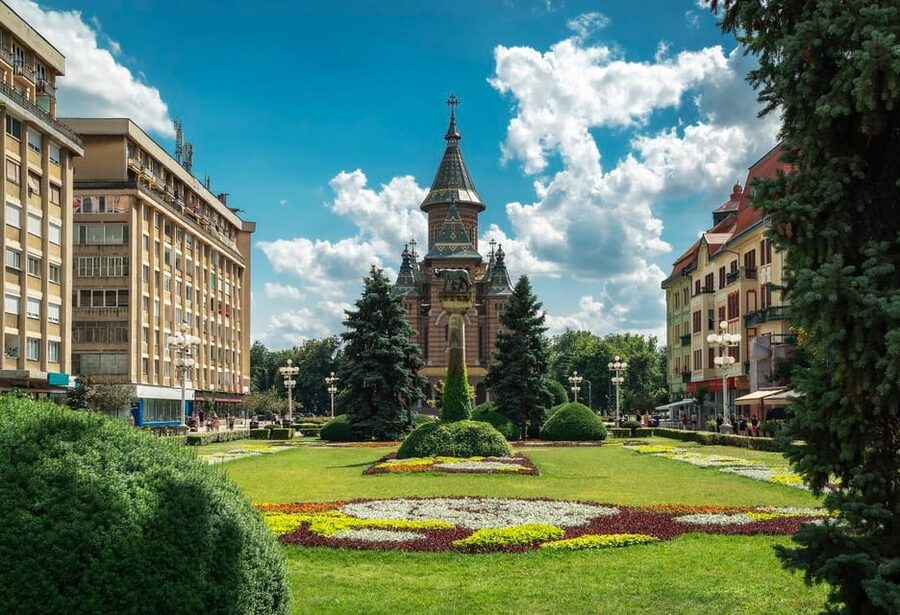
Victory Square provides the emotional and political finish. Here the focus turns to the 1989 Revolution, one of the most important modern events connected with Timișoara.
This is a strong ending because the Revolution shows that the city’s past is not safely sealed behind old walls. The streets and squares also belong to living memory. Armand’s stories about the Revolution have been singled out as a special part of the experience, including for a family with a teenage child.
Expect this section to be more serious than the earlier stories about local personalities and legends. The tour connects a real place with a major turning point in Romania’s modern history. That can make the final part more memorable than a standard list of monuments.
You may want to leave extra time after the tour to think about what you have heard and look around Victory Square on your own. The official walk lasts two hours, so the schedule may not allow a long discussion once the final stop is complete. If modern history matters to you, this is a good reason to ask questions before the tour ends.
Armand’s guiding style and language options
The guide can lead the tour in German, English, or Romanian. That matters in Timișoara, where language is part of the subject, not just a booking detail.
Armand Iftode Mihai receives particularly strong praise for combining information with humor. His German has been described as excellent, and he has been appreciated for answering questions clearly and adjusting explanations for younger listeners. I would choose this tour in part for that personal guiding style.
The private-group format should suit couples, families, and small groups who want to ask questions without competing with a large crowd. It also gives you a better chance to discuss practical matters, such as what else to see during your stay.
Still, a private group does not remove the physical demands of the walk. The tour lasts two hours and takes place outdoors in the city center. Comfortable shoes are essential, and you should consider the needs of older people or very young children before booking.
The activity is listed as wheelchair accessible, which is useful information for planning. Since the route includes streets, squares, and historic areas, it is wise to confirm any specific mobility needs when arranging your visit.
Who gets the best value from the $35 price
I see the strongest value for someone visiting Timișoara for the first time. In two hours, you get an organized introduction to the central landmarks, several ruling periods, the multicultural background, the Synagogue, and the 1989 Revolution.
The price also makes sense for families. You are not paying separate admission fees, and children can ask questions directly. The guide’s ability to explain the Revolution to a 13-year-old and make the material accessible to a 12-year-old suggests the format can work well for mixed ages.
History fans will appreciate the range, but you should understand the tradeoff. The route covers a lot, so each stop receives a focused explanation rather than a long examination. If you want to study one era in detail, a specialized tour or museum visit would suit you better.
The activity may be less useful if you have already spent several days exploring every central square and have a firm grasp of Timișoara’s past. Even then, Armand’s local legends, architectural details, and personal storytelling could add material you would not find by simply walking around.
At $35, I would call it a fair mid-range price for a private two-hour introduction. The absence of museum fees keeps the cost predictable. You are buying context, organization, and conversation, not a long list of paid attractions.
Practical advice before you book
Book this walk early in your stay if you want help understanding the center. You can use the route afterward to decide which squares, buildings, or museums deserve a longer visit.
Wear comfortable shoes. The distance is not stated, but the full two-hour format means you will be on your feet for most of the activity. Bring only what you need, and keep enough attention for the guide rather than treating the tour as a nonstop photo stop.
Choose your language carefully when booking, especially if your group includes people who prefer different languages. German, English, and Romanian are available.
The tour offers free cancellation up to 24 hours in advance and lets you reserve now and pay later. Those terms are helpful if your Romanian schedule is still changing, but the main decision remains physical comfort and interest in guided walking.
Should you book Timișoara Highlights?
Book it if you want a concise, personal introduction to Timișoara that connects old buildings with Ottoman rule, Habsburg administration, Jewish heritage, and the 1989 Revolution. I especially recommend it for first-time visitors, families, and anyone who enjoys local stories alongside major historical events.
Skip it if you want museum interiors, extensive time for photography, or a slow specialist study of one period. For most people, though, the route offers a smart first look at the city, and Armand’s humor, clear explanations, and attention to questions add real value to the $35 cost.
FAQ
How long does the Timișoara Highlights walking tour last?
The tour lasts two hours.
What languages are available?
The live guide can conduct the tour in German, English, or Romanian.
Is this a private group tour?
Yes. The activity is offered for a private group.
Does the price include museum entrance?
No. The tour does not enter museums, and no extra admission tickets are necessary.
What places are included on the route?
The walk begins at Timișoara’s oldest building, then continues through Liberty Square, Saint George Square, the old city walls, Union Square, the Synagogue, Liberty Square again, and Victory Square.
Is the tour wheelchair accessible?
Yes. The activity is listed as wheelchair accessible.
What should I bring?
Bring comfortable shoes, since this is a two-hour walking tour. Make sure everyone in your group is comfortable with that amount of walking.
Just added around Timisoara
- Timisoara Dream Tour in Elisabetin Neighborhood★ 5.0 · 3 reviews
- Timisoara: Jewish Heritage Walking Tour★ 5.0 · 4 reviews
- Nera Gorge National Park – Private Day Tour from Timisoara★ 4.5 · 4 reviews
- Timisoara Dream Tours: Trip to Hunedoara Castle and to Sibiu★ 4.7 · 4 reviews
- Timisoara Downtown Dream Tour★ 5.0 · 5 reviews
- Timisoara: Private Walking Tour with a Local Guide★ 4.5 · 5 reviews
- The Jewish Heritage Tour of Timisoara★ 5.0 · 9 reviews
- Day Trip to Turda Salt Mine and Corvin Castle from Timisoara★ 5.0 · 10 reviews
Walking Tours, compared.


Ghost Stories & Romanian Mythology Walking Tour
Read our review →
Walking Tour- Delightful Bucharest (Highlights, Stories, Sights)
Read our review →
Browse the lists this tour appears in