
Reviewed · MONASTERY TOURS
Day trip from Iasi to the UNESCO Painted Monasteries in Bucovina
Bucovina’s painted churches reward the long ride. This private day trip from Iasi takes you to three UNESCO-listed Churches of Moldavia, with guided visits to remarkable frescoes at Voronet, Moldovita, and Sucevita. I like the small maximum group of seven and the fact that hotel or airport pickup, transport, entrance fees, and bottled water are included. I also like that guides such as Mihai, Nicu, Iulian, and George have earned praise for their history stories, careful driving, and personal attention.
The main drawback is the distance and the 12-hour schedule. You will spend much of the day on the road, and lunch costs extra, about €15 per person. One practical point needs checking before you pay: the tour description mentions Humor in one place, while the detailed stop plan names Sucevita. Confirm which three monasteries your departure will cover.
In This Review
- Key points to know before you go
- Why Bucovina is worth a full day from Iasi
- Voronet and the famous blue walls
- Moldovita’s painted lessons in faith
- Sucevita and its green-painted walls
- Marginea pottery and the human side of the route
- What the private vehicle adds
- The price, lunch, and real value
- Who will enjoy this day trip most
- Booking advice and cancellation terms
- Should you book the Iasi to Bucovina tour?
- FAQ
- How long does the day trip last?
- Where can pickup take place?
- Which monasteries does the detailed route visit?
- Is lunch included?
- Are entrance fees included?
- How many people can join the tour?
- Is the tour offered in English?
- Can I cancel for a full refund?
Key points to know before you go
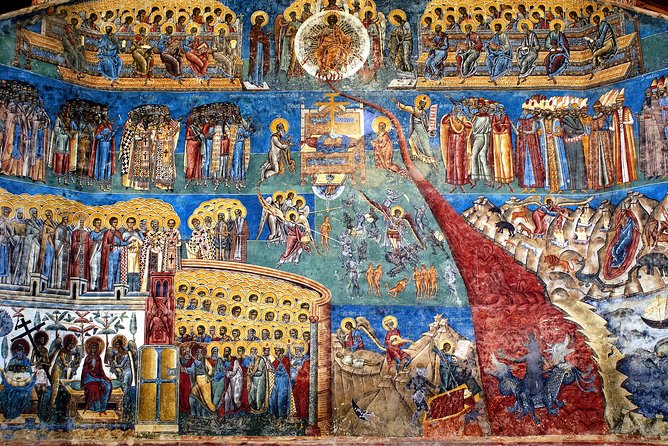
- Voronet’s blue frescoes are the star attraction: The monastery is famous for exterior paintings that have kept their color for centuries.
- Three UNESCO churches fit into one long day: You visit Voronet, Moldovita, and Sucevita according to the detailed stop plan.
- A private vehicle makes the route easier: Pickup and drop-off at any hotel in Iasi are included, with airport pickup also offered.
- A guide changes what you see: The frescoes are not just decoration. Your guide explains their Biblical scenes, local beliefs, and Moldavian setting.
- Marginea adds a craft stop: The route includes a demonstration of how local black pottery is made.
- Check the monastery list: One part of the tour information names Humor, so confirm the final route before departure.
Why Bucovina is worth a full day from Iasi
The painted monasteries of Bucovina are not quick roadside photo stops. Their walls carry large religious scenes painted for people who once had little access to books or formal schooling. The frescoes turned Bible stories into pictures, while also reflecting local events, Eastern Christian thought, and folk ideas.
That helps explain why a guide matters here. Without context, you may see colored walls and a few familiar religious figures. With a good explanation, you begin to read the churches as visual teaching tools, community records, and works of art shaped by local customs.
The route from Iasi takes most of a day, but that is the trade-off for reaching northern Moldavia by private vehicle. You avoid the problem of arranging several long connections on your own, and you can ask questions as the countryside passes by. The tour begins at 8:00 am and runs for about 12 hours, so plan for an early start and an evening return.
The group size is capped at seven people. That is small enough for a more personal exchange than a large coach tour, yet the price still reflects private transport and a full-day guide. At $244.57 per person, it is not a budget outing. Its value improves if you are traveling with family or friends, since group discounts may be available and the vehicle, guide, and admissions are bundled together.
More painted monastery visits:
- 3-Castle: Peles,Bran,Rasnov,Sinaia Monastery from Brasov w pickup
★ 5.0 · 274 reviews - Bucovina Painted Monasteries Day Tour
★ 5.0 · 83 reviews - Peles Castle, Bran Castle, Rasnov Fortress and Sinaia Monastery Tour from Brasov
★ 5.0 · 55 reviews
Voronet and the famous blue walls
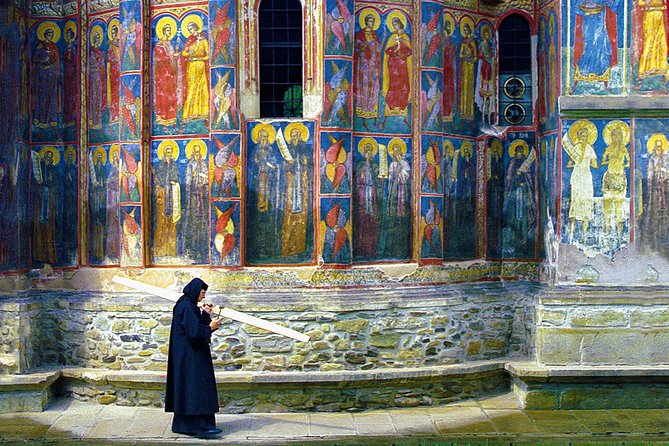
Your first major stop is Voronet Monastery, built in 1488 in an astonishing three months, three weeks, and three days. That rapid construction is part of its appeal, but the outside murals are what hold your attention.
The paintings have survived centuries of harsh weather, and the blue shade is especially famous. The exact ingredients used to make the paints remain uncertain, which gives the walls an extra layer of mystery without taking anything away from the skill of the artists.
You have about one hour here, with admission included. That is enough time to walk around the monastery, look closely at the exterior scenes, and enter the church. A guide can help you understand how the images work together, almost like a painted account of Christian teaching.
The art does not follow only one source of influence. It draws on Orthodox thought, Eastern culture, and local folk beliefs. That blend is one reason Voronet feels rooted in Bucovina rather than copied from a distant religious center.
I would give this stop your sharpest attention. Look at the walls before rushing inside, then ask your guide to point out specific scenes. The murals are large, but details can be difficult to read without an explanation.
Moldovita’s painted lessons in faith
Moldovita Monastery dates from 1532 to 1537 and joined the UNESCO heritage list in 1993. Its frescoes served a clear purpose: for many rural people who could not read, the walls offered a way to learn Biblical teachings.
The result is a huge picture book spread across the church. The scenes are religious, but they are also adapted to the place and to important moments in the local community. That connection between sacred stories and everyday regional life is what makes the paintings more than a collection of isolated images.
The visit lasts about one hour, and entrance is included. You will have time to examine both the exterior and interior, though the guide’s explanation will help you use that time well. Ask about the way the scenes are arranged and how local history enters the religious subjects.
Moldovita also gives you a useful point of comparison with Voronet. Voronet is often remembered first for its blue, while Moldovita offers another color scheme and another visual approach to presenting Biblical events. Seeing both on the same day lets you notice that these monasteries are part of a larger tradition, not identical churches repeated along one route.
Because the tour covers several sites, you should resist trying to photograph every wall. Take a few careful pictures where permitted, then spend time looking. The art is easier to appreciate when you stop treating each church as a checklist item.
Sucevita and its green-painted walls
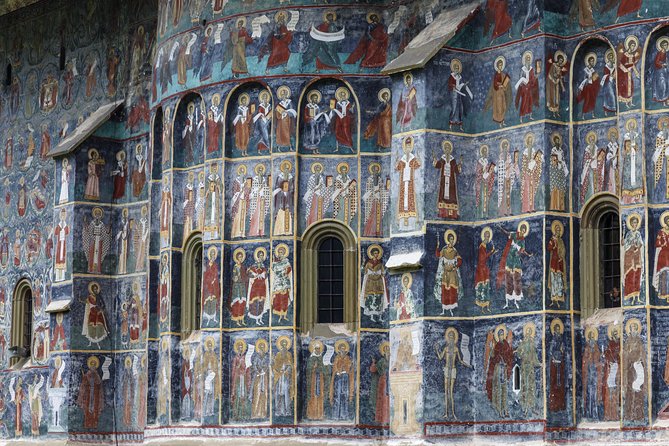
Sucevita is described as the newest of the painted monasteries on this route and was added to the UNESCO heritage list in 1993. Its architecture follows a Moldavian style with Gothic and Byzantine influences, while its murals are dominated by green.
That color came from an old method using natural pigments. The green gives Sucevita a different mood from Voronet and helps make the three-stop plan feel varied. You are not seeing the same church three times with a new name.
The scheduled visit is about one hour, with admission included. Use the time to compare the building itself with the other monasteries. The mix of architectural influences is worth noticing, especially if your guide explains where Gothic and Byzantine features appear.
The detailed stop plan identifies Sucevita as the third monastery. However, another part of the tour description names Humor instead. This is not a minor wording issue if you have chosen the trip specifically for one church. Ask the operator to confirm the route and whether the final schedule can change.
More UNESCO-listed sites:
- From Brasov: Sighisoara and Viscri UNESCO Day Tour
★ 4.8 · 86 reviews - From Brasov: Sighisoara, Viscri, and Rupea Unesco Day Trip
★ 4.9 · 32 reviews - UNESCO TOUR :Sighisoara ,Viscri and Rupea Tour from Brasov
★ 5.0 · 30 reviews - Sighisoara and Biertan: UNESCO in Transylvania
★ 5.0 · 27 reviews
Marginea pottery and the human side of the route
The day includes a stop in Marginea, where local craftsmen show how black pottery is produced. This adds a welcome change after several hours of looking at church walls.
The pottery visit matters because it connects the area’s art to living craft work. The monasteries show centuries-old painting traditions, while Marginea offers a direct look at a regional skill practiced by craftspeople today.
The information provided does not give a fixed duration for this stop, so the exact amount of time may depend on the day’s schedule. You should think of it as a supporting part of the tour rather than the main reason to book. The three monasteries are the core experience.
Some tours also include extras such as a cable-car ride or lunch with a local family, but those experiences are not part of the listed inclusions. Do not assume they are guaranteed. One account praised both additions, yet the official package includes transport, guide service, water, admissions, and pickup, while lunch remains separate.
What the private vehicle adds
The private vehicle is one of the strongest practical reasons to choose this excursion. Bucovina is not a simple hop between nearby sights, and a full day of driving can become tiring if you must handle every turn yourself.
Pickup is available from any hotel in Iasi, and hotel or airport pickup and drop-off are included. That removes the need to reach a distant meeting point at dawn. The stated start time is 8:00 am, so have your bags and breakfast arrangements sorted before the vehicle arrives.
A modern vehicle, bottled water, and a maximum of seven people make the long day more manageable. You also have a guide with you rather than relying only on plaques or brief printed notes.
Guide quality will shape the trip. Mihai was praised for responsible driving, conversation, and detailed explanations of the region. Nicu received especially warm comments for his humility and extensive background on Moldavia and Bucovina. Iulian and George were also singled out for helpful, considerate service and strong knowledge of the sites.
Guides may be multilingual, though English is the offered language. If having a particular guide matters to you, you can ask whether a named guide is available, but no individual guide is guaranteed in the tour details.
The price, lunch, and real value
The price is $244.57 per person. That is a serious amount for a day trip, especially once you add lunch and personal expenses. Lunch is not included and is estimated at about €15 per person.
Still, the price covers several costs that can add up quickly: private transportation, an English-speaking guide, hotel pickup and drop-off, bottled water, and all listed entrance fees. If you tried to reproduce the same day independently, you would need to arrange transport across a long route, pay admissions, manage timing, and find each monastery.
The value is strongest for people who want interpretation and convenience rather than the lowest possible fare. It also becomes more attractive for a small group, particularly if group discounts apply. Solo visitors should compare the cost with their own priorities. If you care deeply about religious art and want a guide’s explanation at each site, the premium may feel justified. If you mainly want a quick look at the buildings, the price may feel high.
The 4.8 rating from 26 reviews and 96 percent recommendation figure suggest a strong record, but the sample is not enormous. I would place more weight on the repeated themes: guides, driving, organization, and the impact of the monasteries themselves.
Who will enjoy this day trip most
I would recommend it to you if you are staying in Iasi and want to see a major cultural sight beyond the city without arranging a complicated road trip. It suits people who enjoy art, religious buildings, local craft, and historical explanation.
It is also a good fit for families and small groups. Most people can participate, only a small amount of walking is required, and children must be accompanied by an adult. The child rate applies only when the child shares with two paying adults.
You should think twice if you dislike long driving days or prefer to move at a slow pace. About one hour is set aside at each monastery, and the schedule also has to include the road between Iasi and Bucovina, the pottery stop, and lunch. This is an efficient introduction, not a leisurely multi-day stay.
Photography rules, clothing requirements, and the exact lunch location are not provided, so ask your guide on the morning of departure. Religious sites can have their own rules, and a respectful approach is always sensible.
Booking advice and cancellation terms
Confirmation arrives at booking, and free cancellation is available up to 24 hours before the experience begins. Changes or cancellations made less than 24 hours before the start time are not accepted for a refund.
The tour requires good weather. If poor weather causes cancellation, you will be offered another date or a full refund. Since the day involves substantial road travel, this policy is worth noting before you set your schedule.
Most people can take part, but the experience includes walking around monastery grounds and entering historic religious buildings. Ask ahead if your group has a specific mobility concern, since the supplied information only says that a small amount of walking is involved.
Should you book the Iasi to Bucovina tour?
Book it if you want the easiest practical way to see three painted monasteries in one day, and if a strong guide matters to you. The combination of private transport, included admissions, hotel pickup, and a group limit of seven removes much of the effort involved in reaching Bucovina.
I especially like the focus on Voronet, Moldovita, and Sucevita, plus the Marginea pottery stop. The long day and $244.57 price are real drawbacks, and lunch costs extra. Before booking, confirm the Humor versus Sucevita discrepancy and ask which guide and route are planned.
For an art-focused first visit from Iasi, this is a worthwhile splurge. For a slower experience, spend a night in Bucovina instead and visit at a gentler pace.
FAQ
How long does the day trip last?
The experience lasts approximately 12 hours and begins at 8:00 am.
Where can pickup take place?
Pickup is offered from any hotel in Iasi. Hotel or airport pickup and drop-off are included.
Which monasteries does the detailed route visit?
The detailed stop plan includes Voronet, Moldovita, and Sucevita. Another part of the tour information mentions Humor, so you should confirm the exact three-monastery route before booking.
Is lunch included?
No. Lunch is not included and costs approximately €15 per person.
Are entrance fees included?
Yes. Entrance fees to the listed monastery visits are included.
How many people can join the tour?
The tour has a maximum of seven travelers.
Is the tour offered in English?
Yes. An English-speaking guide is included, although the tour may sometimes be operated by a multilingual guide.
Can I cancel for a full refund?
Yes. You can cancel at least 24 hours before the experience start time for a full refund. If poor weather causes the operator to cancel, you will be offered another date or a full refund.
Just added around Romania
- Brașov Top Craft Beer & Secret Bars Tour with Local Guide★ 5.0 · 3 reviews
- Two days tour to Bucovina & UNESCO Painted Monasteries★ 5.0 · 3 reviews
- 10 hours Private Apiary Tour in Romania – From Bucharest★ 5.0 · 3 reviews
- 4-Day Inside Transylvania & Transfagarasan Tour from Bucharest★ 5.0 · 3 reviews
- Cluj – walking city tour★ 5.0 · 3 reviews
- Bucharest: Charm of the Belle Époque Private Tour★ 5.0 · 3 reviews
- Bran & Peles Castles through the Best Road in the World: Transfagarasan road★ 4.5 · 3 reviews
- 2-Day Small-Group Tour in Transylvania from Bucharest – Maximum 5 Persons★ 5.0 · 3 reviews
Monastery Tours, compared.
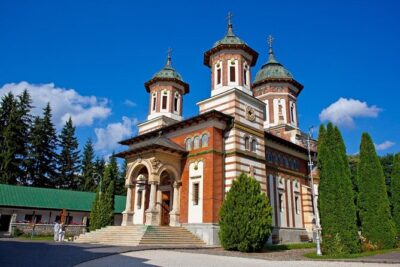
3-Castle: Peles,Bran,Rasnov,Sinaia Monastery from Brasov w pickup
Read our review →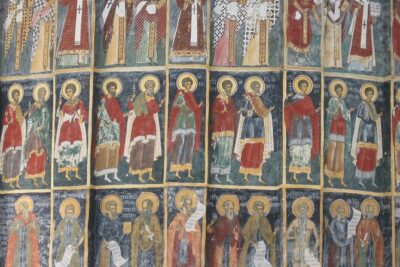
Peles Castle, Bran Castle, Rasnov Fortress and Sinaia Monastery Tour from Brasov
Read our review →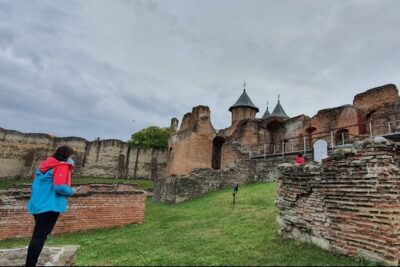
Princely Court of Târgoviște and Curtea de Argeș Monastery
Read our review →
Small Group Tour to Mogosoaia Palace & Snagov Monastery
Read our review →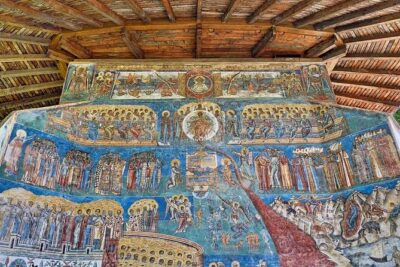
1-Day Bucovina Painted Monasteries tour from Suceava – English
Read our review →
Sacred Monasteries Private Tour: Snagov, Țigănești & Căldărușani
Read our review →
Transfagarasan Highway, Balea Lake & Carta Monastery
Read our review →Browse the lists this tour appears in