
Reviewed · FOOD & DRINK
Cooking Class traditional food
Come hungry, leave with recipes. This private Bucharest cooking class brings you to a local market, then into a home kitchen to prepare bulz and papanași with hosts who treat the meal as a friendly cultural exchange. I like the market stop for seasonal ingredients, and I like that you do the actual cooking rather than simply watch a demonstration. The main consideration is the price, $108.02 per person, which is fair for a private experience but high if you mainly want a quick meal.
The class runs about two and a half hours and is conducted in English. It is best suited to people who enjoy conversation, local food, and a relaxed pace. The named menu has two dishes, although the experience is described as a three-course lunch and some participants also sampled extra Romanian foods.
In This Review
- Key points at a glance
- Why this class feels more personal than a standard food tour
- Starting at the Rahova market area
- Making bulz with polenta and Transylvanian cheese
- Frying papanași, Romania’s famous cheese dessert
- Sitting down to eat what you prepared
- What the private format is worth at $108.02
- How the timing fits a Bucharest day
- Who will enjoy this Romanian cooking class
- Small details that can improve your visit
- Should you book this Bucharest cooking class?
- FAQ
- Where does the cooking class begin?
- Where does the experience end?
- How long does the class last?
- What time does it begin?
- Is the class offered in English?
- Is this a private activity?
- What dishes will I prepare?
- Does the experience include a market visit?
- What is the price?
- Can I cancel for a full refund?
Key points at a glance
- Shop with a local guide: Begin at a neighborhood market and look for seasonal ingredients, including produce from local sellers.
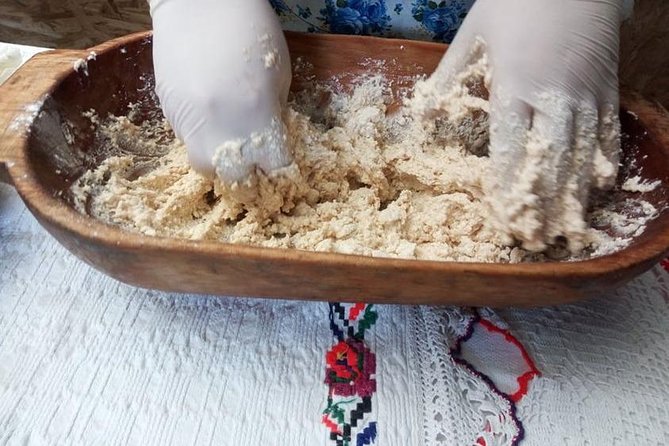
- Make bulz from scratch: Prepare creamy polenta with corn flour, salt, and sour cream, then fold in Transylvanian cheese and melted cheese.
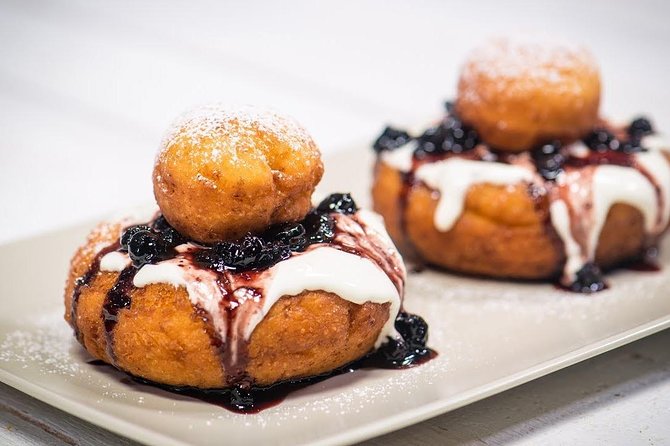
- Learn papanași technique: Mix sweet cheese, eggs, flour, and cinnamon, then fry the dough and serve it with sour cream and jam.
- Cook in a private setting: Only your group takes part, making this more personal than a large demonstration class.
- Expect conversation as part of the meal: Dan and his cooking partner have shared Bucharest and Romanian culture, local drinks, bread, and practical suggestions for the rest of a trip.
- Plan for a full lunch: The class is short enough to fit into a sightseeing day, but you should arrive hungry.
Why this class feels more personal than a standard food tour
Many food activities in Bucharest focus on eating at several stops. This one gives you a different kind of contact with Romanian food. You shop for ingredients, handle the preparation, and sit down to eat what you made. That small shift matters. You are not just hearing that polenta or cheese dumplings are traditional. You see how the ingredients come together and learn steps you can repeat at home.
The class is private, so your group is the only group taking part. That makes it a good choice if you want to ask many questions, need help with a cooking step, or prefer not to work around a crowded class. One person even took the class alone and found the hosts warm and welcoming. Couples, families, and solo visitors all seem to fit the format well.
The human side is a major part of the appeal. Dan has been described as a strong source of Bucharest and Romanian history, even though the cooking itself is handled by his partner. Other accounts identify the cooking host as Patricia or Lavinia, so the names appear slightly inconsistent in the available information. The reliable point is that you should expect a friendly local couple, fluent in English, rather than a formal culinary school instructor.
Other Bucharest days people book alongside this one:
- Bucharest: Dracula’s Castle, Peles Castle, & Brasov Old Town
★ 4.5 · 17,858 reviews - Bucharest: Dracula Castle, Peles Castle & Brasov Old Town
★ 4.6 · 10,891 reviews - Bucharest: Dracula’s Castle, Peleș Castle & Brașov Day Trip
★ 4.5 · 5,919 reviews
Starting at the Rahova market area
The meeting point is Bloc 20A, Calea Rahovei 352, București 052034. The location is near public transportation, which helps, but you should still allow enough time to find the exact building and meet-up spot. The activity begins at 11:00 a.m. and finishes around 2:00 p.m., with a total duration of about two hours and 30 minutes.
The market visit gives the class a useful sense of place. Instead of arriving at a kitchen with ingredients already measured and arranged, you begin by seeing what is available locally. The focus is on seasonal food, and one account describes meeting a farmer who visits once a week to sell food to local people. That kind of encounter can make the cooking feel connected to daily life in Bucharest, not just arranged for a class.
Do not expect a long market tour with a detailed food-history lecture at every stall. The visit is one part of a short cooking experience. Its value is practical: you see the ingredients before preparing them, and you get a look at a local shopping routine.
Making bulz with polenta and Transylvanian cheese
The first named dish is bulz, served hot and described as similar to polenta. It begins with a creamy mixture of corn flour, salt, and sour cream. You then combine it with authentic cheese from Transylvania and melted cheese.
Bulz is a rustic dish, but rustic does not mean plain. The soft polenta gives you a mild, comforting base, while the cheese adds salt, richness, and a chewy contrast. It is the sort of food that explains a regional cooking style better than a long speech. Corn flour, dairy, and careful heat produce a dish that is filling, direct, and easy to understand.
The hands-on format is useful here because texture matters. You can see how thick the polenta becomes, how the sour cream changes the mixture, and how the cheese melts into it. If you enjoy learning by doing, this will be more satisfying than being handed a finished bowl.
Bulz is listed as the starter, though it may feel substantial enough to serve as a small main course. Arrive with room for more. The meal also includes dessert, and some participants sampled additional Romanian foods, bread, or a local drink during the visit.
Frying papanași, Romania’s famous cheese dessert
Papanași is the second main dish and the sweet finish. You make a soft dough from sweet cheese, eggs, flour, and a little cinnamon. The dough is fried until golden and crisp outside, then served with sour cream and strawberry or blueberry jam. One menu description specifically mentions cherry jam, so the exact preserve may vary.
This is a useful dish to learn because it combines a few simple ingredients with a technique that needs attention. The outside should turn golden, while the inside stays soft. The sweet cheese gives the dough its character, and the sour cream and jam provide the familiar Romanian combination of creamy, fruity, and slightly tangy flavors.
Papanași is also a good reason to book the class even if you already know how to make polenta. It is a dish that can be difficult to identify from a restaurant menu alone, yet the ingredients are accessible. You receive the recipes afterward, and the instructions have been adapted with ingredients available in the United States. That makes the class more useful after your holiday ends.
The menu describes papanași as the best Romanian dessert, which is a bold local claim, but it is easy to see why the dish is popular. It is warm, fried, rich, and served with generous toppings. You will want lunch to be the only major plan immediately afterward.
More food tours:
- Taste Bucharest: A Food Lover’s Tour of Markets & Neighbourhoods
★ 5.0 · 689 reviews - Street Food’n’Culture Tour
★ 5.0 · 209 reviews - Wine Tasting in Bucharest
★ 5.0 · 183 reviews - Discover Bucharest: Private Highlights and Traditional Food Tour
★ 5.0 · 86 reviews
Sitting down to eat what you prepared
The meal is the payoff, but it is not the only payoff. You sit down with the hosts and eat the dishes you helped make. The setting has been described as feeling like lunch with friends rather than a perfunctory lesson, which tells you something important about the tone.
Conversation is a central part of the experience. You can ask about Romanian food, Bucharest, local customs, and places to visit next. Dan has offered historical information and practical tips for the rest of a Bucharest stay. One participant also used the opportunity to practice Romanian, while noting that both hosts speak fluent English.
The food is served in a relaxed manner, and some accounts mention extra Romanian dishes, bread, and a local drink. These additions are not clearly fixed parts of the published menu, so I would treat them as possible extras rather than guaranteed courses. The formal description calls the lunch three-course, but the sample menu names bulz and papanași only. If the exact number of dishes matters to you, ask when booking.
What the private format is worth at $108.02
At $108.02 per person, this is not a bargain meal. You can eat cheaply in Bucharest, and you can find restaurants where two named dishes cost much less than the class price. The value comes from the time, instruction, market visit, private format, conversation, and recipes you take home.
The price makes the most sense for you if you want a cultural activity with lunch included. It is also stronger value for a couple or small group that would rather have one host’s attention than join a larger class. The cost is harder to justify if you only want to taste Romanian food or have already booked several expensive food activities.
Recipe access helps the long-term value. You are not paying only for one sitting. You learn a practical version of bulz and papanași, and the recipes can be prepared later with ingredients available outside Romania. The class therefore has a souvenir you can use, not just a photograph.
The high rating and full recommendation record point to consistent satisfaction, especially with the hosts, food, and welcoming atmosphere. Still, ratings cannot change the basic trade-off: this is a small, social cooking experience, not a bargain lunch or a professional chef course.
How the timing fits a Bucharest day
The 11:00 a.m. start works well for lunch. You can spend the morning sightseeing, then make your way to Calea Rahovei. The activity ends back at the meeting point around 2:00 p.m., leaving the afternoon open.
Because the visit includes shopping, cooking, eating, and conversation, the stated two hours and 30 minutes should be treated as a real block of your day. It is not a quick 60-minute demonstration. If you have a museum reservation or guided walk at 2:00 p.m., leave a generous buffer.
The class operates Monday through Sunday from 11:00 a.m. to 2:00 p.m. during the listed period of December 27, 2025, through December 26, 2026. Confirmation is provided at booking, and the experience is available with a mobile ticket in English.
The activity requires good weather. If poor weather forces cancellation, you are offered another date or a full refund. You can cancel for a full refund up to 24 hours before the start time. Changes or cancellations inside that 24-hour window are not accepted, so keep your schedule firm once the deadline passes.
Who will enjoy this Romanian cooking class
I would recommend it most strongly to you if you enjoy meeting local people and prefer a personal activity over a polished tourist production. The private setting gives you space to ask questions, and the food is approachable enough for cooks with little experience.
It also works well for families. One account specifically describes a fun and delicious time for adults and children. Since you help prepare the dishes, children can take part instead of sitting through a long explanation.
Solo visitors should consider it too. The format does not require a large group to feel worthwhile, and a one-person class has taken place successfully. The hosts’ conversational approach can make a solo afternoon feel social without forcing you into a group of strangers.
People with food allergies should communicate before the class. An account describes the hosts making careful accommodations and going beyond what was expected, but the available information does not specify which allergies can be handled or how the dishes would be changed. Ask before booking rather than assuming.
You may want to skip it if you dislike cheese, sour cream, fried foods, or polenta. All of those flavors and textures are central to the two named dishes. It may also disappoint you if you expect a professional kitchen, advanced culinary instruction, or a broad tour of Romanian cuisine. The appeal is home-style food and local company.
Small details that can improve your visit
Arrive hungry. The meal comes after the market and cooking, and the dishes are filling. You may also be offered bread, a local drink, or small tastes of other Romanian food, though these additions are not clearly guaranteed.
Wear something comfortable for kitchen work and market walking. The activity lasts several hours and includes standing, preparation, and a full meal. The supplied details do not specify accessibility arrangements, so ask the host directly if you have mobility or other access needs.
Keep your phone ready for the mobile ticket and confirmation details. The meeting point is a specific Bucharest address rather than a major landmark, so use the exact location provided at booking.
Finally, save the recipes. They are one of the strongest practical benefits of the class, especially if you live somewhere with access to sweet cheese, corn flour, sour cream, and jam. The instructions are intended to work with ingredients found in the United States, which suggests useful flexibility for home cooks.
Should you book this Bucharest cooking class?
Book it if you want a private local encounter built around food, not simply a meal. The market visit, hands-on preparation, recipes, and generous conversation give the experience more substance than a restaurant stop. The hosts receive the strongest praise, and their warmth appears to be the reason the class feels like a visit with friends.
At $108.02 per person, I would call it a worthwhile splurge for food lovers, solo visitors, couples, and families who value personal attention. I would pass if your main goal is inexpensive Romanian food or advanced chef training. For everyone else, arrive hungry, keep the afternoon flexible, and expect bulz, papanași, and plenty of conversation.
FAQ
Where does the cooking class begin?
It begins at Bloc 20A, Calea Rahovei 352, București 052034, Romania.
Where does the experience end?
The activity ends back at the meeting point.
How long does the class last?
The experience lasts approximately two hours and 30 minutes.
What time does it begin?
The listed operating time is 11:00 a.m. to 2:00 p.m., Monday through Sunday.
Is the class offered in English?
Yes. The experience is offered in English.
Is this a private activity?
Yes. Only your group participates.
What dishes will I prepare?
The named dishes are bulz, a hot polenta-style dish with cheese, and papanași, a fried Romanian dessert served with sour cream and jam.
Does the experience include a market visit?
Yes. You visit a local market to shop for seasonal ingredients before cooking.
What is the price?
The listed price is $108.02 per person.
Can I cancel for a full refund?
Yes. You can cancel at least 24 hours before the start time for a full refund. Cancellations or changes made less than 24 hours before the start time are not accepted, and poor-weather cancellations offer a different date or a full refund.
More Workshops
- Bucharest: Real Roma Community – Crafting Workshop
★ 5.0 · 13 reviews - Bucharest: Naughty Waffle Workshop in The Old Town
★ 4.3 · 10 reviews - Ski / Snowboard Lessons on the Slopes of Poiana Brasov
★ 5.0 · 60 reviews - Ski & snowboard lessons on Poiana Brasov- Full Private day tour from Brasov
★ 5.0 · 16 reviews
Just added around Bucharest
- 10 hours Private Apiary Tour in Romania – From Bucharest★ 5.0 · 3 reviews
- 4-Day Inside Transylvania & Transfagarasan Tour from Bucharest★ 5.0 · 3 reviews
- Bucharest: Charm of the Belle Époque Private Tour★ 5.0 · 3 reviews
- Bran & Peles Castles through the Best Road in the World: Transfagarasan road★ 4.5 · 3 reviews
- 2-Day Small-Group Tour in Transylvania from Bucharest – Maximum 5 Persons★ 5.0 · 3 reviews
- Private Wine Tasting at Bucharest’s First Wine Bar★ 5.0 · 3 reviews
- Bucharest to Brasov – Fast Private Transfer★ 5.0 · 3 reviews
- Probably the Best Restaurant and Wine Cellar near Bucharest★ 4.5 · 3 reviews
Food & Drink, compared.
Taste Bucharest: A Food Lover’s Tour of Markets & Neighbourhoods
Read our review →
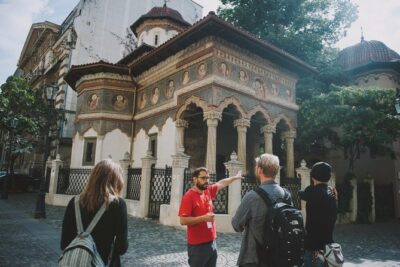
Discover Bucharest: Private Highlights and Traditional Food Tour
Read our review →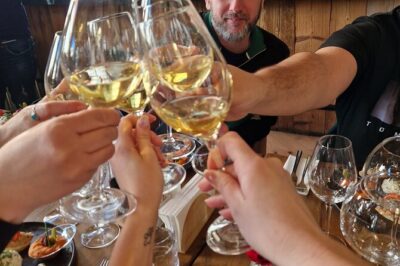
Half-Day Private Food and Wine Walking Tour Oradea Romania
Read our review →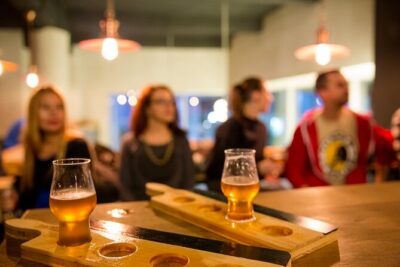
Private Bucharest: History & Food with Traditional Meal
Read our review →Browse the lists this tour appears in