
Reviewed · FOOD & DRINK
Bucharest: Street Food Tour with a Local Guide
Start with a pretzel, then see Bucharest differently. This four-hour tour joins local food with city history, taking you from a communist-era breakfast snack to Obor Market, neighborhood streets, and hot Wallachian papanasi. I like the mix of market culture and public transport, and I like that the tour includes food, drinks, bottled water, and tram and trolleybus tickets. The main caution is value: at $74 per person, the food portions and variety may feel limited if you expect a full progressive tasting menu.
The route gives you a useful first look at Bucharest beyond the standard center. Guides such as Laura and Riga have earned praise for their warmth, patience, energy, and local recommendations. Still, you should know that some guests found the route spread out and wanted more explanation while food was being ordered.
In This Review
- Key points to know before booking
- A food tour that uses Bucharest as its dining room
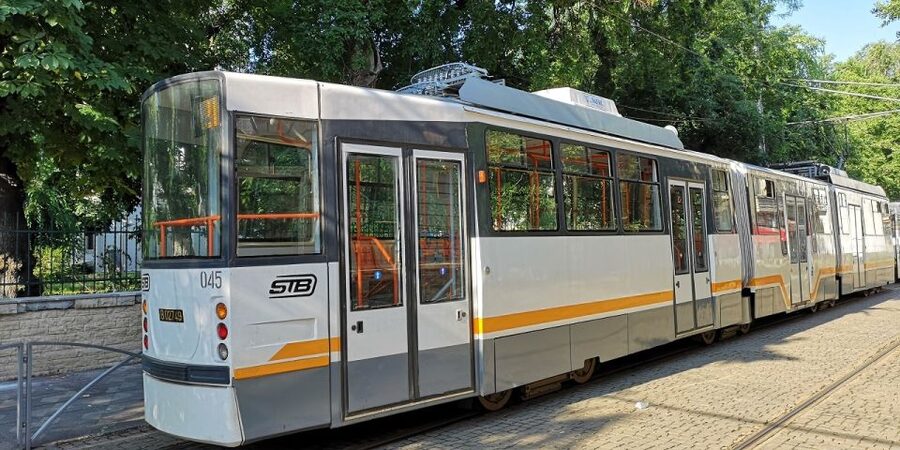
- Riding the tram through Bucharest’s older quarters
- Obor Market: the tour’s strongest stop
- Ground meat rolls and a market beer
- Trolleybus to University Square
- Papanasi: a fitting Romanian finale
- What $74 buys you
- The guide makes the difference
- Who should book this Bucharest food walk?
- FAQ
- How long is the Bucharest street food tour?
- What language is the tour offered in?
- Where does the tour meet?
- What food is included?
- Are tram and trolleybus tickets included?
- Is bottled water included?
- Can I buy food or crafts at Obor Market?
- Is the tour suitable for people with limited mobility?
- Can I cancel the booking for a refund?
Key points to know before booking
- Communist-era breakfast: Begin with a Romanian pretzel and yogurt, once a common quick meal for workers.
- Obor Market visit: Explore one of Romania’s largest and oldest markets, with produce, honey, cheese, crafts, and more.
- Local transport included: Tram and trolleybus rides connect the market with central Bucharest and add a useful everyday perspective.
- Main savory tasting: Try traditional Romanian ground meat rolls with a beer at a well-known market stall.
- Historic walking route: Travel from University Square toward Cismigiu Park while learning about major landmarks.
- Sweet finish: End with hot papanasi, Wallachian doughnuts served with jam and cream.
A food tour that uses Bucharest as its dining room

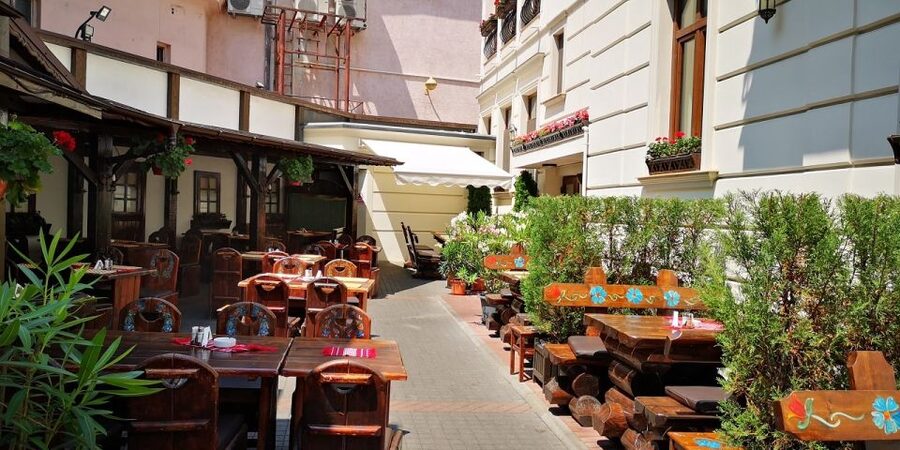
This is not a tour built around one restaurant. It uses the city itself: a simple breakfast stop, public transport, a large market, central streets, and a final restaurant dessert. That gives you a better sense of how Bucharest works day to day, even if the food selection is not as broad as the price might suggest.
You meet at the Lupa Capitolina Monument at 36 I.C. Bratianu Boulevard. From there, the guide sets the tone with a Romanian pretzel and yogurt. The pretzel, described as the snack of communism, is a modest but meaningful beginning. It connects food with the routines of workers during the communist period rather than presenting Romanian cooking as only a list of famous dishes.
I like this opening because it is small, quick, and tied to social history. You are not simply handed a pastry and told its name. You get a clue about how ordinary people ate on busy mornings. If you arrive hungry, though, remember that this is a light snack, not a substantial breakfast.
More food tours:
- Taste Bucharest: A Food Lover’s Tour of Markets & Neighbourhoods
★ 5.0 · 689 reviews - Street Food’n’Culture Tour
★ 5.0 · 209 reviews - Wine Tasting in Bucharest
★ 5.0 · 183 reviews
Riding the tram through Bucharest’s older quarters
After the first tasting, you take a short tram ride toward Obor Market. Public transport is part of the experience, and the ticket is included. That matters because the ride lets you watch the city change instead of moving directly between tourist stops in a private vehicle.
The route passes architecture in the Jewish and Armenian quarters. Your guide can point out buildings and explain how these communities shaped Bucharest’s streets and character. The quality of this portion depends heavily on the guide. Laura has been praised for clear historical storytelling, while Riga has been described as energetic, patient, and generous with local knowledge.
The tram also creates one of the tour’s practical drawbacks. The starting point and the market are not next door, so the route can feel spread out. You take public transport back and forth between different parts of town, and some people may prefer a tighter walking route. I see the ride as useful rather than wasted time, but you should book this tour for its city context, not for nonstop eating.
Obor Market: the tour’s strongest stop
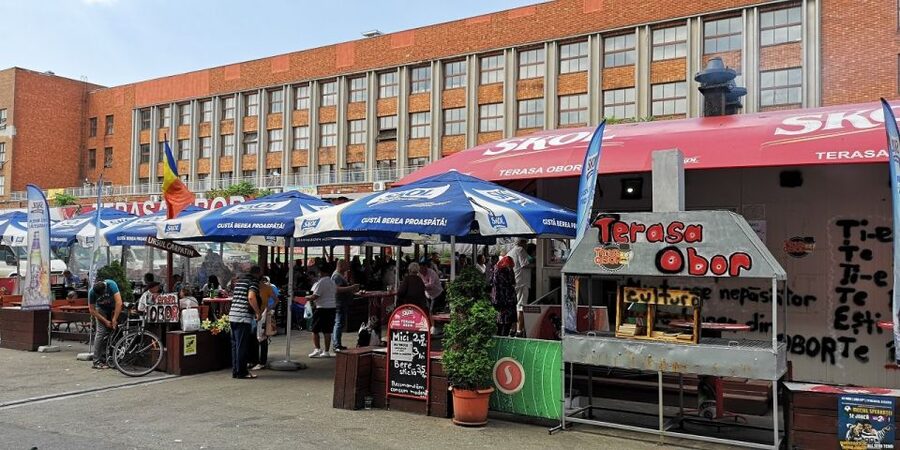
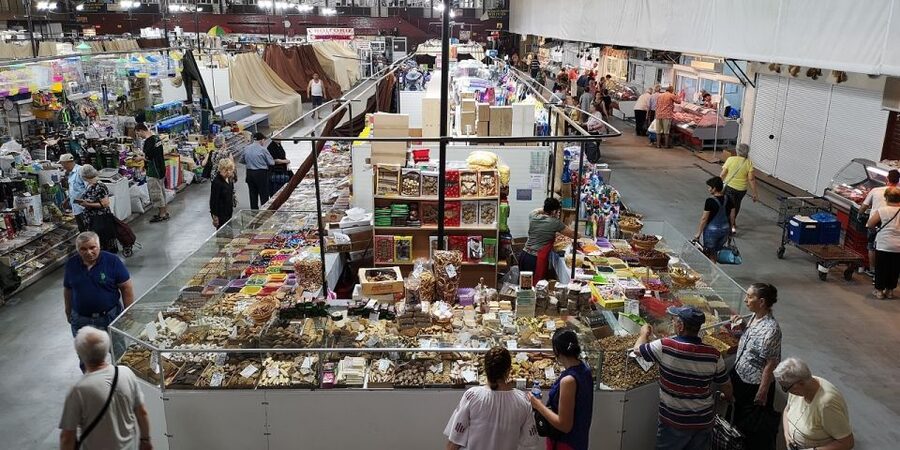
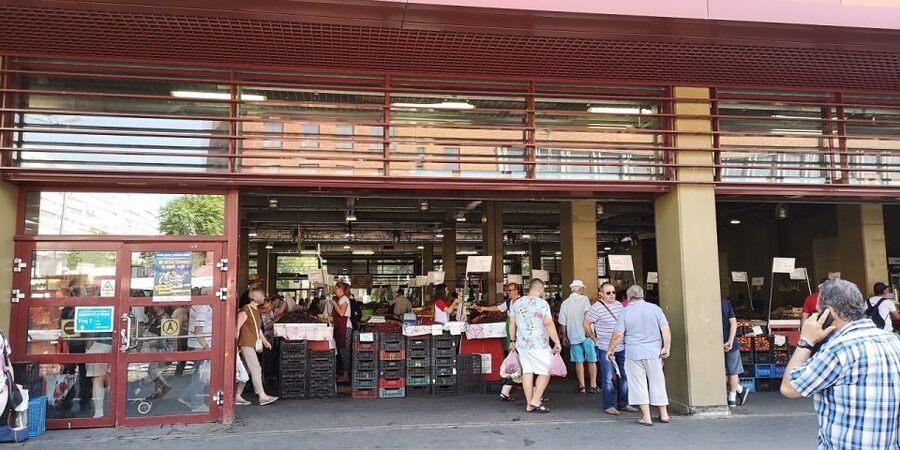
Obor Market is the heart of the experience. It is one of Romania’s largest and oldest markets, and it offers a look at food shopping that a polished restaurant cannot match. You walk past stalls selling fresh produce, honey, cheese, and other local goods. You can also see handcrafted wooden bowls and other practical items.
This is where the tour feels most grounded. You get color, noise, movement, and the simple pleasure of seeing what people buy and sell. The market is also the best place on the route to ask questions. Point to something unfamiliar and ask your guide how it is used, when Romanians eat it, or whether it is made locally.
The food selection at the market may not satisfy someone seeking many small tastings. One guest wanted more samples from the produce stalls and found the tour’s food range narrow. That is a fair concern. The market contains more culinary possibilities than the tour can cover, but the included tasting focuses on selected stops rather than offering a bite at every interesting stall.
Personal purchases at Obor are not included. If you see honey, cheese, wooden goods, or fresh produce you want to take home, bring extra money and allow space in your bag. The tour price covers the stated food and drinks, not shopping.
Ground meat rolls and a market beer
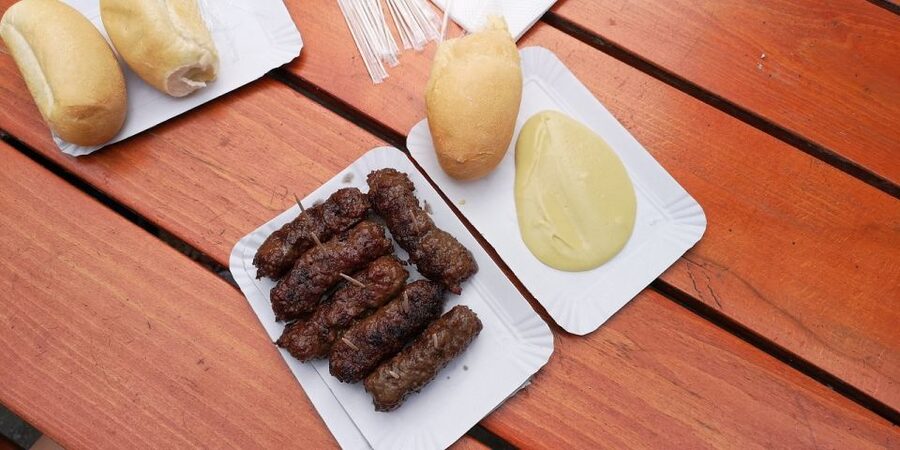
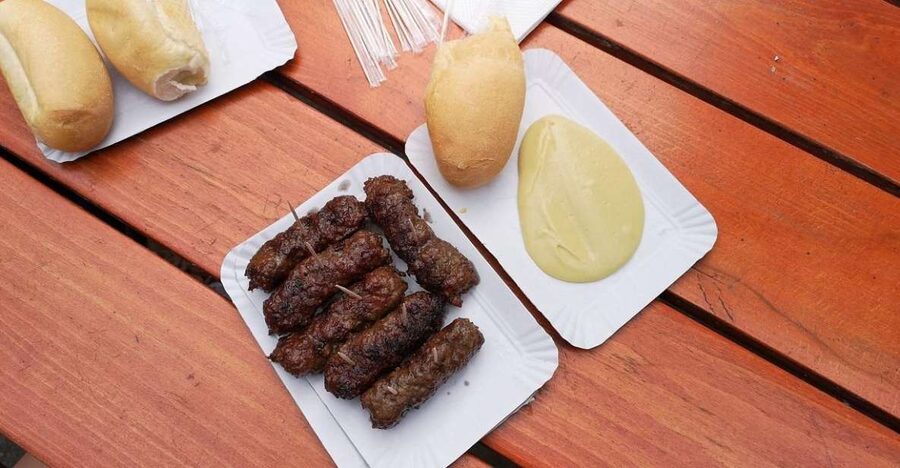
At a well-known stall, you sample traditional Romanian ground meat rolls. They are served with a cool beer, creating the tour’s main savory stop. This is a hearty portion and gives you a direct taste of a familiar Romanian street food style.
The stop has a relaxed, local feel. You are eating in a market setting rather than at a formal table, and the guide makes an effort to get the food fresh. That freshness matters more here than fancy presentation. It also gives you a chance to see how a popular dish fits into the rhythm of the market.
There is an important detail to check before you go. The experience includes the food and drinks listed in the program, but one group received only one beer for the party instead of one per person. Since the wording suggests a beer with the meat rolls, clarify what is included if that detail matters to you. Additional food and drinks are your responsibility.
The savory stop may also be too large for some people. A large serving of sausage and chips can leave less room for later dishes, especially if you are hoping for a broad tasting of cheese, cold meats, wine, and produce. This tour is better suited to a few substantial samples than to a carefully measured series of small bites.
A completely different kind of day out around Bucharest:
- Bucharest: Dracula’s Castle, Peles Castle, & Brasov Old Town
★ 4.5 · 17,858 reviews - Bucharest: Dracula Castle, Peles Castle & Brasov Old Town
★ 4.6 · 10,891 reviews - Bucharest: Dracula’s Castle, Peleș Castle & Brașov Day Trip
★ 4.5 · 5,919 reviews - Bucharest: Palace of Parliament Tickets and Guide
★ 4.3 · 3,182 reviews
Trolleybus to University Square
After Obor Market, the group takes a trolleybus to University Square. Again, the ride is included and gives you another look at ordinary Bucharest transport. The change from market streets to the city center helps show how different parts of Bucharest connect.
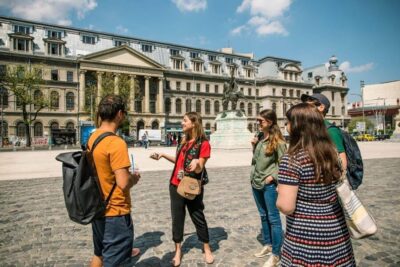
You then walk toward Cismigiu Park, stopping to discuss important landmarks between University Square and the park. This section adds the historical frame that the food stops alone cannot provide. It is also a chance to work off the meat rolls before dessert.
The walking portion is not only filler between meals. Bucharest is a city of contrasts, with grand civic buildings, older neighborhood architecture, and streets shaped by changing political periods. The tour’s value rises when the guide explains those layers in a clear, lively way.
That said, the amount of historical detail can vary. Some people have praised Laura’s history explanations, while another guest wanted more commentary during periods when the guide was waiting in line for food. If you want a lecture-heavy city tour, this may feel light. If you prefer short stories mixed with walking and eating, the balance may suit you well.
Wear comfortable shoes. This tour includes market walking, city walking, and public transport transfers. It is not recommended for people with limited mobility, and it is not suitable for people with mobility impairments. Pets are not allowed.
Papanasi: a fitting Romanian finale
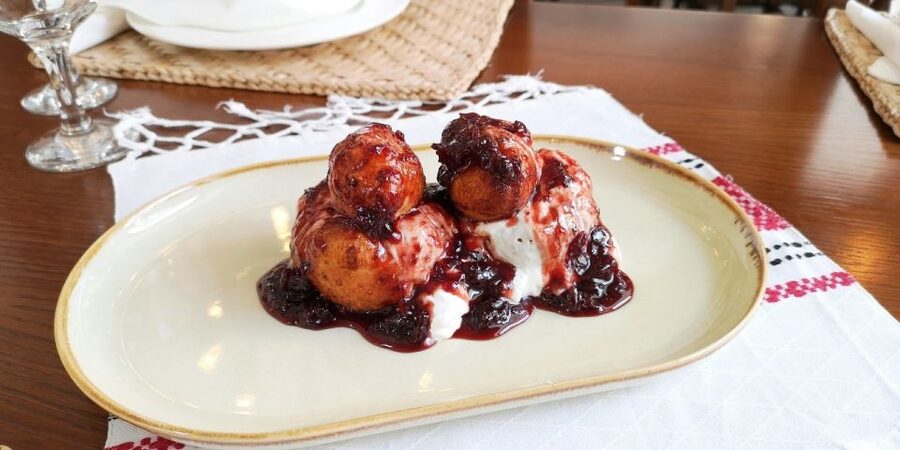
The tour ends at a fine dining restaurant with papanasi, hot Wallachian doughnuts filled with jam and served with cream. After a simple pretzel and yogurt, a market snack, and a substantial savory dish, this is a richer final course.
Papanasi is an especially good ending because it gives you a dessert with a clear regional identity. Expect something warm, sweet, and filling rather than a tiny decorative bite. The jam and cream add to the comfort-food quality, so pace yourself earlier in the tour if dessert is a priority.
This final stop is also your best chance to ask the guide what to eat and see during the rest of your stay. Guides Laura and Riga have both been praised for useful recommendations, and that kind of advice can be worth more than a printed list. Ask for suggestions that match your budget, appetite, and preferred part of town.
What $74 buys you
At $74 per person, the price is not low for a four-hour food walk. You are paying for an English-speaking guide, the included tastings and drinks, bottled water, and tram and trolleybus tickets. You are also paying for the guide’s local knowledge and for a route that connects several parts of Bucharest.
The value is strongest if you are new to the city and want orientation at the same time as food. You see Obor Market, learn about Jewish and Armenian quarters, pass through central Bucharest, and get a dessert recommendation session at the end. Doing all of that alone would require research, transport planning, and some trial and error.
The value is weaker if your main goal is food variety. The included menu does not promise a long list of tastings, and the actual experience may center on pretzel and yogurt, meat rolls, beer, and papanasi. You do not have Romanian wine, cold meats, and a wide range of market samples clearly included, so do not book expecting a grand tasting table.
The food quality has been praised, especially at the market and restaurant stops. Yet the portions may feel uneven: a small opening snack, a large savory serving, and a generous dessert. That structure works for a casual meal with city sightseeing, but less well for someone who judges a food tour by the number of dishes sampled.
The guide makes the difference
This is a guide-led experience in the truest sense. The route is fairly simple to follow, but the meaning of the food, buildings, and neighborhoods comes from the person leading you.
Laura has been praised for being charming, experienced, passionate, and strong on Bucharest history. Riga has been praised for energy, patience, kindness, and a large store of city information. These comments point to the best version of the tour: a friendly guide who keeps the group moving, explains what you are seeing, and offers practical advice beyond the formal route.
There is also a lesson in the mixed feedback. A guide may be pleasant and still leave you wanting more commentary. Since food ordering can involve waiting, listen for explanations during those pauses and ask questions directly. If your guide is busy arranging the next dish, use that moment to ask about the market, Romanian eating habits, or the buildings you passed.
The tour is offered in English. Group size is not stated, so you should not assume a private experience. Seasonal minimums apply: from March through October and from December 16 through January 6, at least four people are required. From January 7 through February 29 and November 1 through December 15, at least two people are required. If the minimum is not reached, you are offered another date or a full refund.
Who should book this Bucharest food walk?
I would recommend it to a first-time Bucharest visitor who wants a friendly introduction to local food and city districts. It works well for someone who likes markets, public transport, short history talks, and a few filling tastings rather than a formal restaurant crawl.
It is also a good choice if you want help getting your bearings early in a stay. The guide can suggest other places to eat and visit, and the route gives you several neighborhoods to recognize later.
I would be more cautious if you are a serious food-focused traveler seeking many distinct dishes. You may find the variety too limited for $74, particularly if you hoped to sample Romanian cheese, cold meats, wine, and more produce at Obor. I would also skip it if long walks, tram steps, or trolleybus transfers are difficult.
Book with realistic expectations: this is a food-and-city orientation tour, not a daylong banquet. Its best moments are the market, the public transport links, the local stories, and the chance to finish with papanasi and tailored advice.
FAQ
How long is the Bucharest street food tour?
The tour lasts four hours.
What language is the tour offered in?
The live tour guide speaks English.
Where does the tour meet?
It meets at the Lupa Capitolina Monument, 36 I.C. Bratianu Boulevard, Bucharest, Romania.
What food is included?
The experience includes a Romanian pretzel and yogurt, traditional Romanian ground meat rolls, a beer, and hot papanasi with jam and cream. All food and drinks mentioned in the program are included.
Are tram and trolleybus tickets included?
Yes. Tram and trolleybus tickets are included in the tour price.
Is bottled water included?
Yes, bottled water is included.
Can I buy food or crafts at Obor Market?
Yes, but personal purchases at Obor Market are not included. You are responsible for paying for anything extra.
Is the tour suitable for people with limited mobility?
No. The tour is not recommended for people with limited mobility and is not suitable for people with mobility impairments. Comfortable shoes are advised.
Can I cancel the booking for a refund?
You can cancel up to 24 hours in advance for a full refund. The reserve-now, pay-later option is also available.
Just added around Bucharest
- 10 hours Private Apiary Tour in Romania – From Bucharest★ 5.0 · 3 reviews
- 4-Day Inside Transylvania & Transfagarasan Tour from Bucharest★ 5.0 · 3 reviews
- Bucharest: Charm of the Belle Époque Private Tour★ 5.0 · 3 reviews
- Bran & Peles Castles through the Best Road in the World: Transfagarasan road★ 4.5 · 3 reviews
- Private Wine Tasting at Bucharest’s First Wine Bar★ 5.0 · 3 reviews
- 2-Day Small-Group Tour in Transylvania from Bucharest – Maximum 5 Persons★ 5.0 · 3 reviews
- Probably the Best Restaurant and Wine Cellar near Bucharest★ 4.5 · 3 reviews
- Bucharest to Brasov – Fast Private Transfer★ 5.0 · 3 reviews
Food & Drink, compared.
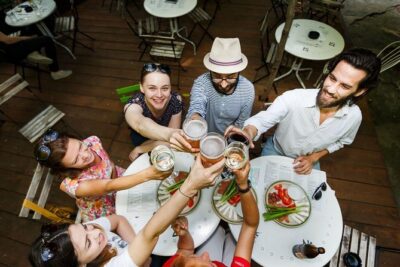
Taste Bucharest: A Food Lover’s Tour of Markets & Neighbourhoods
Read our review →
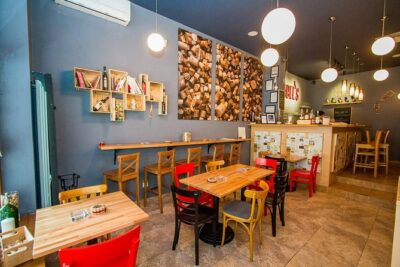
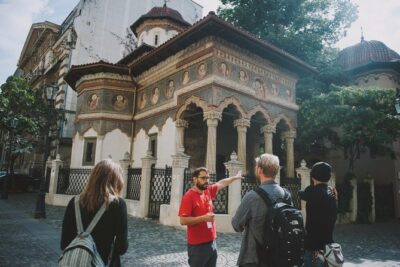
Discover Bucharest: Private Highlights and Traditional Food Tour
Read our review →
Half-Day Private Food and Wine Walking Tour Oradea Romania
Read our review →
Private Bucharest: History & Food with Traditional Meal
Read our review →Browse the lists this tour appears in