
Reviewed · WALKING TOURS
Slavery in Romania,Myths and Truths on Gypsies, Walking Tour
History can change how you see a city. This three-hour Bucharest walk connects the Roma community to Romania’s past and present, moving from a former slave market to the Holocaust Memorial, Cismigiu Gardens, and Revolution Square. I like its honest treatment of slavery and discrimination, and I like the way it links Roma history to wider Romanian society rather than treating it as a side topic. The $29 price is fair for a live English guide and a focused three-hour walk.
The main consideration is that this is not a general Bucharest sightseeing tour. You will pass major landmarks, but the real subject is Roma culture, persecution, resilience, and continuing prejudice. One person also wished for more direct interaction with Roma people, so you should book this for historical and social context, not for a community visit.
In This Review
- Key points before you book
- What this Bucharest walk is really about
- Starting near Romana Square
- The former slave market and Romania’s difficult past
- The Romanian Athenaeum and the power of national culture
- A café break that helps with the serious material
- Cismigiu Gardens: myths, traditions, and everyday culture
- The Holocaust Memorial and the Roma victims of genocide
- Kogălniceanu Square and traces of Communism
- Revolution Square and the end of the city walk
- The optional jewelry workshop at Mesteshukar ButiQ
- Guide quality and the tone of the experience
- Price, timing, and who will get the most from it
- Should you book this Roma history tour?
- FAQ
- How long does the walking tour last?
- Where does the tour begin?
- Where does the tour finish?
- What language is the tour offered in?
- Is the jewelry workshop included?
- Are food and drinks included?
- Can I cancel the booking?
Key points before you book
- Former slave market: Begin with the difficult history of Roma enslavement in Romania and its long effect on identity and social attitudes.
- Holocaust Memorial stop: Make time for a serious discussion of the thousands of Roma people killed during persecution and genocide.
- Three-hour city walk: Cover Romana Square, the Romanian Athenaeum, Cismigiu Gardens, Kogălniceanu Square, Revolution Square, and more.
- Strong guide-led experience: Guides such as Daniela, Andreea, Mihai, and Mihail are praised for clear explanations, empathy, humor, and thoughtful pacing.
- Optional jewelry workshop: Finish at Mesteshukar ButiQ, with the option to make a piece of jewelry alongside an authentic Roma craftsman.
- Good value at $29: The fee covers the guide and walking tour, while food and drinks are separate.
What this Bucharest walk is really about
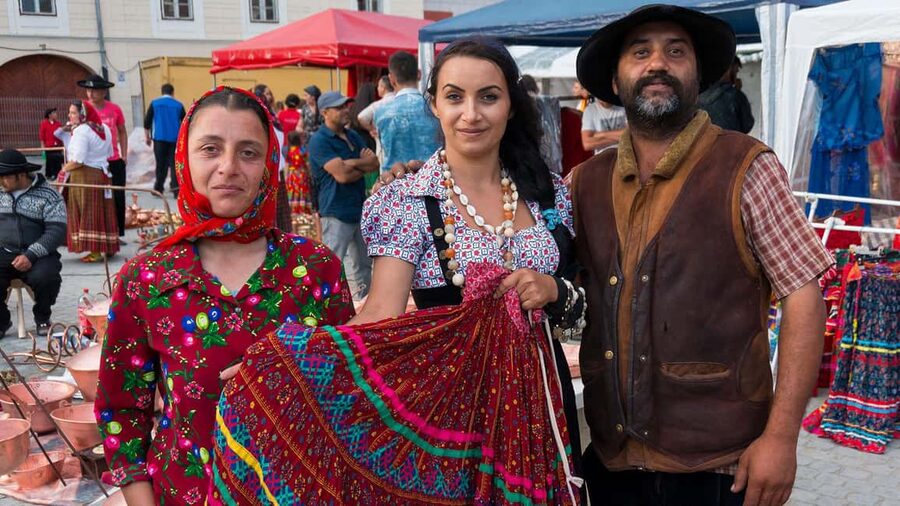
This tour takes on a subject that is often reduced to stereotypes. Roma people have lived across Europe for centuries, yet many visitors arrive with little understanding of their origins, traditions, language, or place in Romanian society.
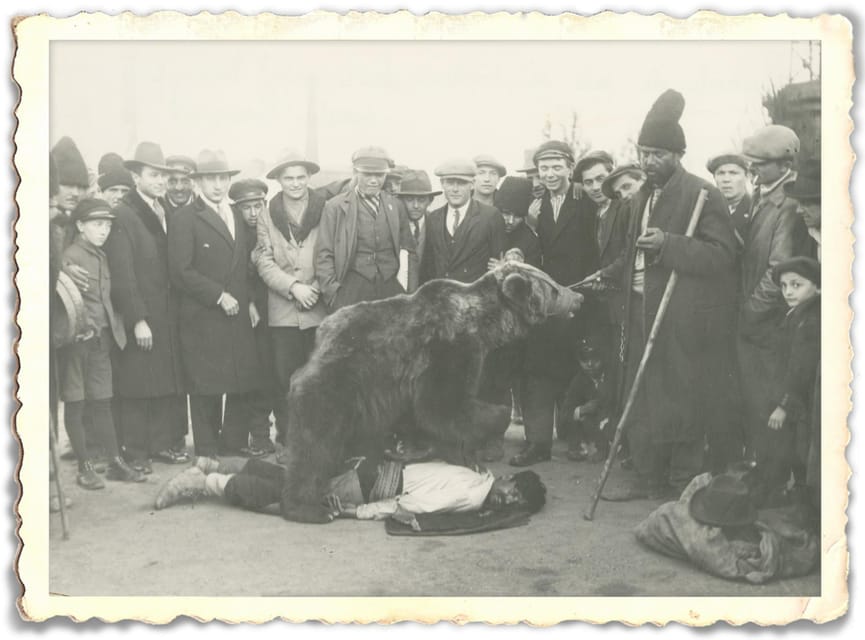
The walk sets out to replace easy myths with historical evidence and human stories. You will hear about the enslavement of Roma people in the Romanian principalities, their emancipation, wartime persecution, the Communist period, and the prejudice that continues today.
That range gives the tour its value. You are not only learning about the Roma community. You are also learning how Romania itself was formed and how national identity has been shaped by art, politics, religion, war, and social division.
The tone appears to be direct but respectful. Daniela is praised for her empathy, candor, humor, and follow-up material about folkloric and manele music. Andreea is praised for using images, public sculptures, and places along the route to make difficult subjects easier to follow. Mihai and Mihail are also singled out for clear and considerate presentations.
The experience has earned a 4.9 rating from 42 ratings, which fits the tour’s clear purpose. It is a teaching walk, not a theatrical performance or a quick parade of postcard views.
More Walking Tours in Bucharest
- Bucharest: City Highlights Guided Walking Tour
★ 4.9 · 1,482 reviews - Bucharest Highlights Walking Tour
★ 5.0 · 469 reviews - Bucharest: Ghost Stories & Romanian Mythology Walking Tour
★ 4.9 · 287 reviews
Starting near Romana Square
You meet in the small square in front of the Ion Creangă Theatre, Sala Mare. The theatre is about a three-minute walk from Piața Romană metro station, making the start fairly simple to reach by public transport.
This is a useful meeting point because Romana Square puts you near central Bucharest without dropping you straight into the old town’s busiest tourist zone. Before the walking begins, your guide can establish the historical setting and explain why the Roma story matters to the city.
Wear comfortable shoes. The tour lasts three hours and includes several walking sections, though the pace is not described as punishing. Andreea is specifically praised for allowing sitting breaks and toilet stops, while another guide adjusted the route’s information points to provide shade and regular water pauses during hot weather.
Those details matter. A thoughtful guide can make a serious subject easier to absorb, especially when the walk includes outdoor stops and warm-weather sightseeing.
The former slave market and Romania’s difficult past
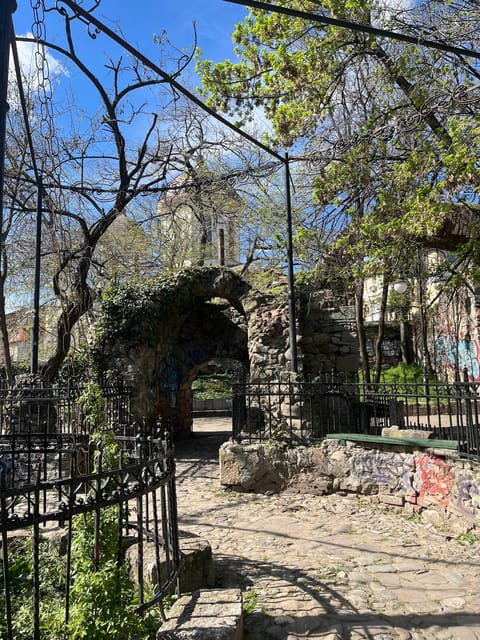
One of the first major subjects is the site of an old slave market. It is a haunting place to begin because it forces the central historical fact into view: Roma people were enslaved in the Romanian principalities for many years.
The slavery discussion is not a passing mention. You learn about the trade in human lives, the groups and institutions involved, emancipation, and the impact this system had on Roma identity. One especially striking point is that Roma emancipation took place around the same period as the emancipation of enslaved people in the United States, though the histories and legal systems were different.
For you, this stop gives later parts of the walk more meaning. Present-day poverty, exclusion, and mistrust do not appear from nowhere. The guide connects old legal and social structures with the prejudice that Roma people still face.
The location itself may be modest. Do not expect a preserved market building or a large museum display. Its importance comes from the story attached to the place and from the way the guide explains what happened there.
The Romanian Athenaeum and the power of national culture
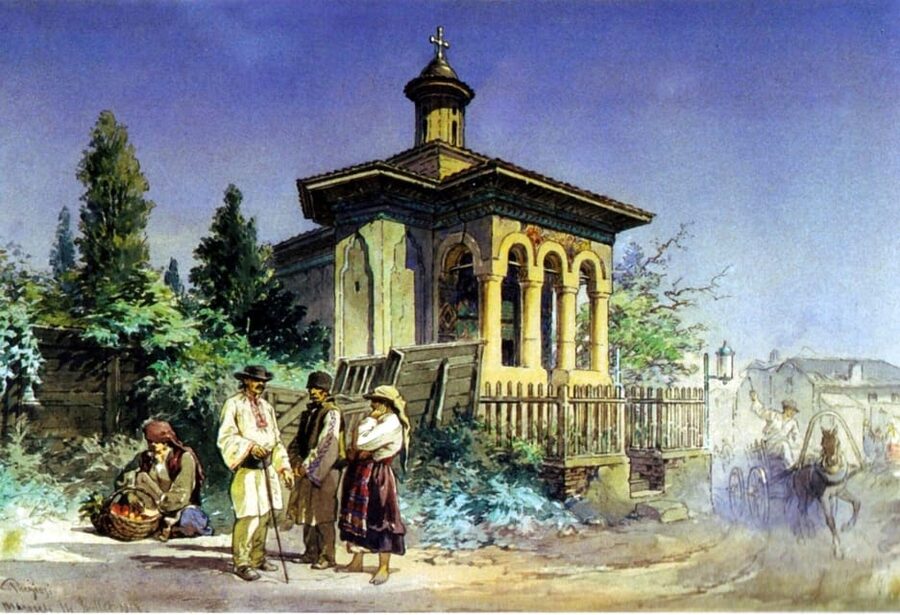
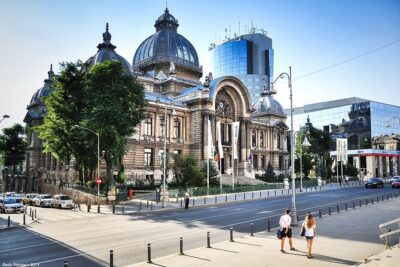
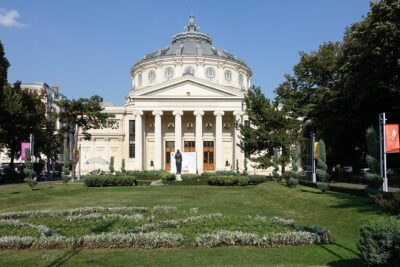
The route then passes the Romanian Athenaeum, one of Bucharest’s best-known buildings. Its grand architecture represents national pride, culture, and the country’s effort to present itself as a modern European nation.
At first, the Athenaeum may seem unrelated to Roma history. That contrast is part of the point. The guide uses art and public culture to discuss how Roma people have been represented, overlooked, or stereotyped within the national story.
You will have around 15 minutes for sightseeing and conversation here. The stop is mainly a pass-by rather than a full interior visit, so do not plan on an extended architectural tour or a concert hall visit.
Still, it adds useful balance. The tour is not only about oppression. It asks who gets included in a country’s cultural image and who is left outside it.
More walking tours:
- Bucharest: Guided Walking Tour with Romanian Snack
★ 4.9 · 228 reviews - Best of Bucharest | Private Walking Tour
★ 5.0 · 199 reviews - Walking Tour- Delightful Bucharest (Highlights, Stories, Sights)
★ 5.0 · 145 reviews - 4h Bucharest Private Tour (2h by Car and 2h Walking in Old Town)
★ 5.0 · 90 reviews
A café break that helps with the serious material
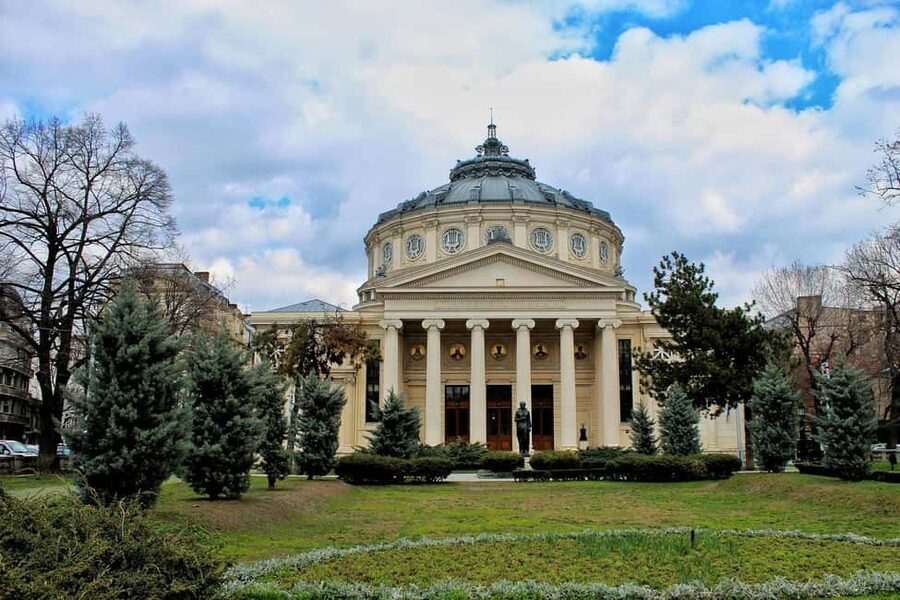
A short break at a local café gives you about 15 minutes to rest, ask questions, and buy refreshments if you wish. Food and drinks are not included in the $29 price.
This pause is practical, but it also helps with the subject matter. Slavery, genocide, and discrimination require concentration. A short reset can keep the walk from becoming a stream of heavy facts.
The café stop also gives you a chance to speak privately with the guide or other people in the group. Since the tour deals with sensitive language and social prejudice, this informal moment may be useful if you want to clarify a point before continuing.
Cismigiu Gardens: myths, traditions, and everyday culture
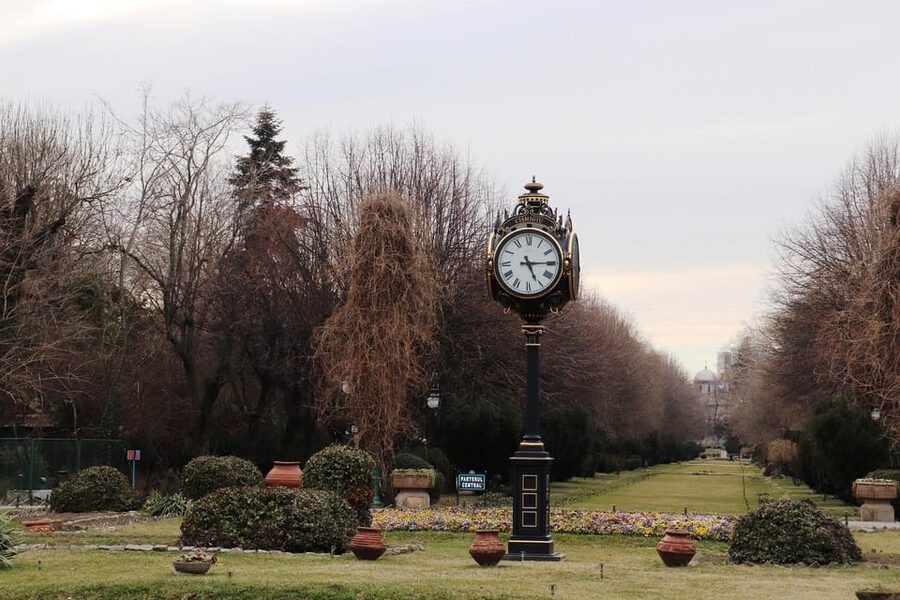
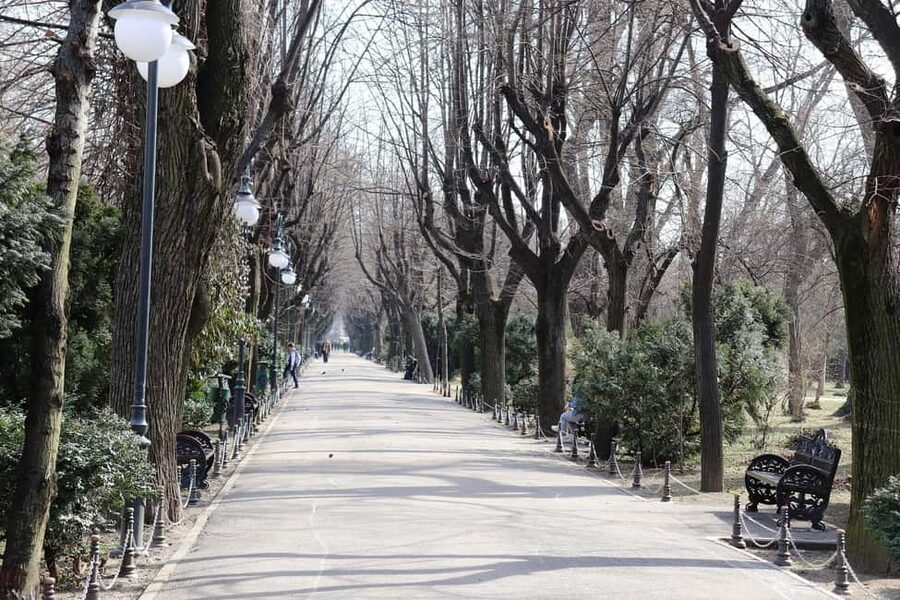
Cismigiu Gardens is the oldest and largest garden in Bucharest. The route spends about 30 minutes here, making it one of the longer stops.
The park provides a calmer setting for the discussion of Roma traditions and common myths. The guide explains how Roma people fit into Romanian society and addresses assumptions about family life, work, customs, language, and identity.
This is where the tour’s title becomes most relevant. The goal is not to replace one stereotype with a romantic version of Roma culture. Instead, you are encouraged to separate real traditions from stories imposed by outsiders.
The green surroundings also make this a welcome change after the more difficult slavery material. You may hear entertaining stories about Roma resilience and cultural survival, showing that the community’s history is not only a record of suffering.
A practical note: Cismigiu Gardens is a public park, not a private Roma cultural site. You are learning about Roma life through the guide’s interpretation rather than meeting residents or entering a traditional home.
The Holocaust Memorial and the Roma victims of genocide
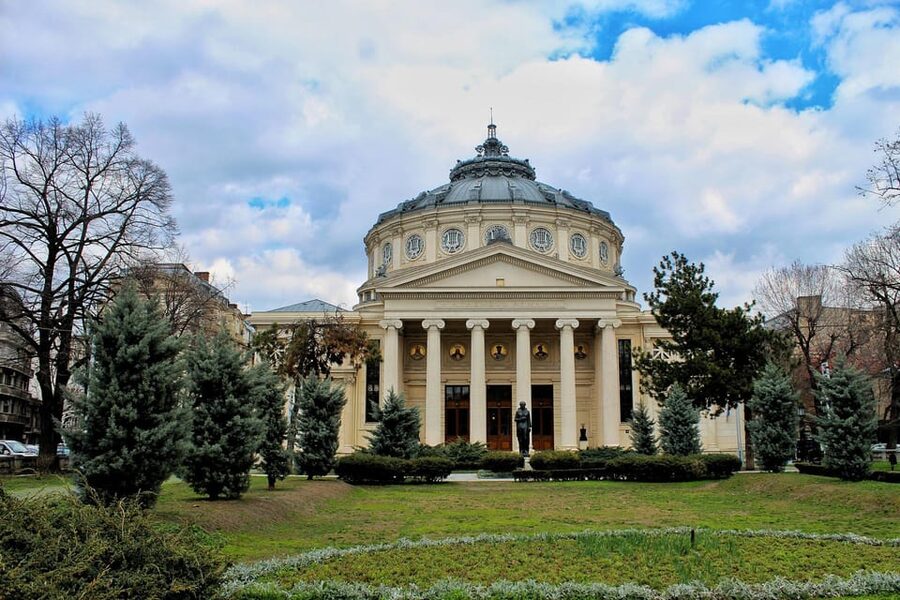
The Holocaust Memorial is one of the most important stops. The tour pauses here for about 15 minutes, with time for photographs and a guided explanation.
The memorial commemorates the victims of the Holocaust in Romania, including the thousands of Roma people who were killed through persecution and genocide. This part of the tour adds a vital layer to the story because Roma persecution is often left out of general Holocaust education.
Expect a quiet, serious moment. The guide’s job here is not simply to identify the monument, but to place it within Romania’s wartime history and explain what happened to Roma communities.
The memorial also makes the broader theme of historical memory clear. What a country remembers, and what it leaves out, affects how minority communities are viewed in the present.
If you are looking for a light sightseeing outing, this stop may feel emotionally demanding. If you want a more truthful account of Bucharest and Romania, it is essential.
Kogălniceanu Square and traces of Communism
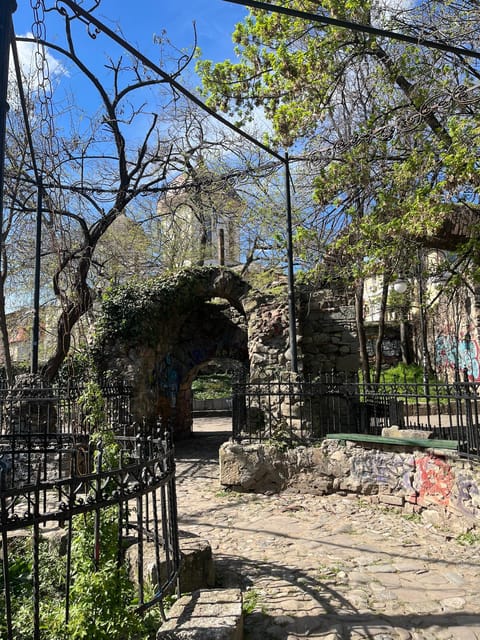
The walk continues through Piața Kogălniceanu, with roughly 10 minutes for guided sightseeing. The tour uses this area to discuss the Communist period and its effect on Roma people.
Communism changed housing, work, property ownership, and urban life across Romania. The Roma community faced its own set of pressures during the regime, and the guide explains how those policies affected Roma families and their place in society.
The discussion also touches on the property disputes that help explain why some Bucharest buildings fell into poor condition after the war. That context is useful because it prevents you from reading every worn façade as simple neglect or lack of investment.
This portion is less about a single grand monument and more about seeing traces of political history in ordinary city streets. You may find it especially helpful if you are already interested in Bucharest’s Communist past.
Revolution Square and the end of the city walk
Revolution Square is another major Bucharest landmark. The tour passes through the area for about 15 minutes, adding the 1989 revolution and modern political change to the discussion.
The route does not promise a full Communist-era city tour, so the square serves as part of the Roma story rather than the entire focus. The guide connects Romania’s political changes with the social challenges faced by Roma people.
This is a useful reminder that the end of Communism did not erase discrimination. Political freedom and economic transition brought new opportunities, but they did not instantly repair older inequalities.
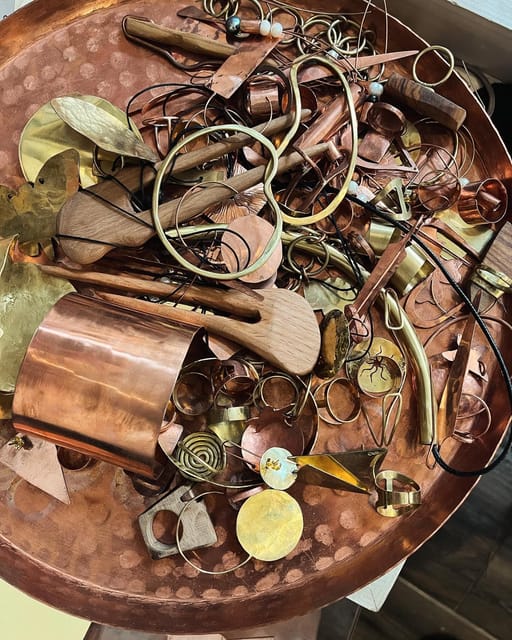
You finish at Mesteshukar ButiQ, usually known as MBQ. This gives the walking portion a practical connection to contemporary Roma craft and enterprise.
The optional jewelry workshop at Mesteshukar ButiQ
You can add a jewelry workshop to the tour. When selected, the package includes the workshop and transportation. The workshop takes place with an authentic Roma craftsman in a traditional setting, and you make your own piece of jewelry.
This option changes the feel of the experience. The walking tour explains history and social attitudes. The workshop lets you engage with a living craft tradition and leave with something you made yourself.
One person who did not have time to book the workshop still saw it and thought it looked enjoyable. That suggests you should allow extra time if hands-on craft appeals to you. The supplied details do not state the exact workshop duration, jewelry materials, or the precise transportation arrangement, so check those points when selecting the option.
Do not choose the workshop simply as a souvenir add-on. Its real value is that it supports a Roma craft practice and gives the final part of the tour a constructive, present-day focus.
Guide quality and the tone of the experience
Guide quality matters more than usual on this walk. The subject includes slavery, discriminatory language, genocide, poverty, and cultural stereotypes. A careless presentation could do real harm.
The guides praised most strongly are Daniela, Andreea, Mihai, and Mihail. Daniela is noted for broad knowledge, empathy, candor, humor, and helpful communication before and after the tour. Andreea is praised for clear pacing, visual aids, links to sculptures and historic places, and sensitivity in hot weather. Mihai and Mihail are described as thorough, patient, direct, and respectful.
The strongest feature is the balance between facts and discussion. The walk includes images, historical illustrations, music links, public art, and places connected with major events. That variety helps you remember more than a list of dates.
You should also know the limits. The experience does not appear to include extensive interaction with Roma residents. One assessment specifically wanted more involvement from the Roma community itself. That is a fair concern, and it is worth considering before you book.
At the same time, avoiding voyeurism is important. A walking tour about a minority community should not turn people’s lives into a spectacle. The best version of this experience is the one that informs you without treating Roma neighborhoods or individuals as attractions.
Price, timing, and who will get the most from it
At $29 per person, the tour offers solid value if you want a focused lesson in Bucharest’s social and political history. You receive a live English-speaking guide and three hours of structured walking, with several landmark stops and a café break.
The price does not include food or drinks. The jewelry workshop is optional, and the workshop plus transportation are included only if you choose that package.
This is a good choice for:
- You want to understand Roma history in Romania rather than rely on stereotypes.
- You are interested in slavery, Communism, the Holocaust, or modern social issues.
- You prefer a small-scale walking experience over a bus tour.
- You appreciate direct discussion and are comfortable with difficult subjects.
- You want a Bucharest tour that goes beyond the standard old-town route.
It may not suit you if you want a broad introduction to Bucharest’s churches, restaurants, shopping streets, or major museums. It also may not satisfy you if your main aim is to meet Roma residents directly.
The walk is offered in English, lasts three hours, and has scheduled starting times that you should confirm before booking. Free cancellation is available up to 24 hours before the start, and you can reserve now and pay later, which helps if your Bucharest plans are still shifting.
Should you book this Roma history tour?
I would book it if you want a serious, human-centered look at a part of Romania that many city tours ignore. The former slave market, Holocaust Memorial, Communist-era discussion, and myths-and-truths conversation give the walk a clear purpose, while Cismigiu Gardens and the café break keep the pace manageable.
The best reason to choose it is the guide-led context. Bucharest’s landmarks are more meaningful when you understand who was included in the national story and who was pushed aside.
The main reservation is the limited direct contact with Roma people. If that matters to you, consider adding the jewelry workshop at MBQ, which offers a more active connection with Roma craft.
For $29, this is a thoughtful and unusually focused experience. It will not give you the whole of Bucharest, but it can change how you read the city after the tour ends.
FAQ
How long does the walking tour last?
The tour lasts three hours. Starting times vary, so check availability for the date you want.
Where does the tour begin?
Meet in the small square in front of the Ion Creangă Theatre, Sala Mare. It is about a three-minute walk from Piața Romană metro station.
Where does the tour finish?
The walking tour finishes at Mesteshukar ButiQ, also called MBQ. The provided meeting information also describes the activity as ending back at the meeting point, so confirm the exact return arrangement when booking.
What language is the tour offered in?
The live guided tour is offered in English.
Is the jewelry workshop included?
The jewelry workshop is optional. The workshop and transportation are included only if you select that option.
Are food and drinks included?
No. Food and drinks are not included. There is a 15-minute break at a local café where you may have the chance to purchase refreshments.
Can I cancel the booking?
You can cancel up to 24 hours in advance for a full refund. You can also reserve now and pay later to keep your plans flexible.
Just added around Bucharest
- 10 hours Private Apiary Tour in Romania – From Bucharest★ 5.0 · 3 reviews
- 4-Day Inside Transylvania & Transfagarasan Tour from Bucharest★ 5.0 · 3 reviews
- Bucharest: Charm of the Belle Époque Private Tour★ 5.0 · 3 reviews
- Bran & Peles Castles through the Best Road in the World: Transfagarasan road★ 4.5 · 3 reviews
- 2-Day Small-Group Tour in Transylvania from Bucharest – Maximum 5 Persons★ 5.0 · 3 reviews
- Private Wine Tasting at Bucharest’s First Wine Bar★ 5.0 · 3 reviews
- Bucharest to Brasov – Fast Private Transfer★ 5.0 · 3 reviews
- Probably the Best Restaurant and Wine Cellar near Bucharest★ 4.5 · 3 reviews
Walking Tours, compared.

Ghost Stories & Romanian Mythology Walking Tour
Read our review →
Walking Tour- Delightful Bucharest (Highlights, Stories, Sights)
Read our review →
Browse the lists this tour appears in