
Reviewed · 4-DAY EXPERIENCES
Private Tour: 4-day Transylvania Famous Landmarks
Romania rewards curious road trippers. This private four-day tour from Bucharest links Peles Castle, Bran Castle, and Brasov with Saxon villages, fortified churches, medieval towns, and the Carpathian Mountains. You travel in a modern climate-controlled car with an English-speaking guide, then sleep three nights in central old-town hotels in Brasov, Sighisoara, and Sibiu.
I like the strong mix of history and scenery, from royal interiors and Dracula lore to Viscri’s rural streets and the Transfagarasan Highway. I also like the private format, since guides such as Victor, Marcel, Gelu, Nick, and Bogdan have adjusted the pace to suit each group. The main consideration is the price, $1,324.52 per person, and the fact that much of the day is spent on the road.
The route covers a lot in four days. That is its strength, but also its tradeoff. You see famous sights that would be awkward to connect on your own, yet some stops are fairly brief and the final-day mountain route depends on the season.
In This Review
- At a glance: the details that matter
- From Bucharest to Peles Castle in Sinaia
- Bran Castle and the real Dracula story
- Brasov after the castle crowds
- Viscri: a slower morning in a Saxon village
- Sighisoara, a medieval citadel still in use
- Biertan and the fortified church tradition
- Sibiu’s old town and a third central base
- The Transfagarasan Highway, if the season allows
- Curtea de Arges or Cozia Monastery
- Guides, vehicles, and the private format
- What the $1,324.52 price includes
- Who should book this four-day route?
- FAQ
- Where does the tour begin?
- How long is the experience?
- Is this a private tour?
- What language is the tour offered in?
- Which accommodations are included?
- Is food included?
- Is the Transfagarasan Highway open all year?
- Can I cancel for a full refund?
- Should you book it?
At a glance: the details that matter
- Peles Castle begins the trip with royal Romania: You visit the gardens and the castle interior in Sinaia, with admission included.
- Bran Castle adds the Dracula connection: A guided visit explains the real Vlad Tepes story alongside the later Dracula legend.
- Viscri and Biertan show Saxon Transylvania: These fortified villages offer a quieter look at the region than the major towns.
- Central hotels make evenings useful: Accommodation is provided in Brasov, Sighisoara, and Sibiu, with old-town locations described as walkable and safe.
- The final road trip changes with the calendar: From July through October, the route uses Transfagarasan; from November through July, it uses the Olt River gorge and Cozia Monastery.
- Private touring brings flexibility: Only your group participates, and airport pickup can be arranged on days before the tour.
From Bucharest to Peles Castle in Sinaia
Your guide picks you up at your Bucharest hotel or at Otopeni Airport, then takes you north toward the Carpathian Mountains. The drive to Sinaia takes about two hours, giving you a useful transition from Romania’s capital to the mountain resort country around Peles Castle.
Peles is a strong first stop because it gives the tour an immediate sense of place and time. You are not just looking at an old fortress. You visit the gardens of a former royal residence and take a standard interior tour, with admission included. The total stop is about three hours, so there is time for both the grounds and the building.
The castle visit should suit you if you enjoy architecture, royal stories, and polished interiors. It also gives your guide plenty to explain before the tour turns toward medieval Transylvania. If you prefer ruins and rough stone walls, Peles may feel more formal than Bran, but its setting and royal role make it an important counterpoint.
More Transylvania trips:
- Transylvania and Dracula Castle Full Day Tour from Bucharest
★ 4.5 · 1,589 reviews - Castles of Transylvania: Private Day Trip from Bucharest
★ 4.5 · 248 reviews - 2-Day Medieval Transylvania with Brasov,Sibiu and Sighisoara Tour from Bucharest
★ 4.5 · 145 reviews
Bran Castle and the real Dracula story
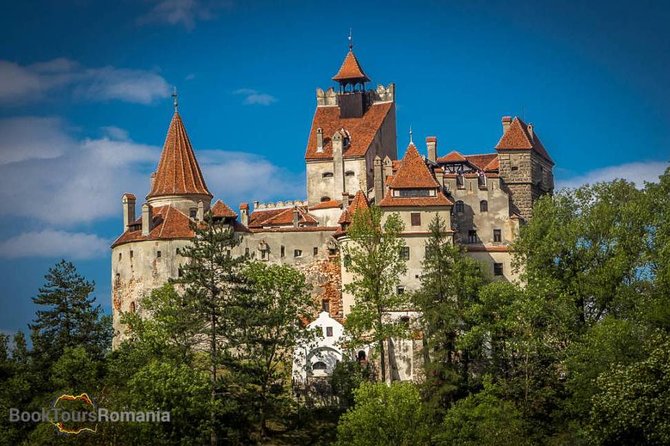
From Sinaia, you continue through the Prahova Valley toward Bran village. The drive itself is part of the appeal, with mountain scenery along the way. At Bran Castle, you spend about two hours on a guided visit.
The castle is widely linked with Dracula, but the tour aims to separate historical fact from Bram Stoker’s fiction. Your guide can put Vlad Tepes, sometimes called Vlad the Impaler, into the wider story without pretending the castle was his spooky personal headquarters. That distinction matters. Bran is famous because of the Dracula connection, but its appeal also comes from its position above the village and its medieval character.
I would plan to enjoy this stop as both a cultural visit and a pop-culture one. You get the legend, but you also get an explanation of how the legend grew. Admission is included, though photo and video charges at visited sites are not covered, so check local rules before using a camera.
Brasov after the castle crowds
The first day ends in Brasov, where you take a two-hour walking tour of the old city with your guide. This is a good place to slow down after two major castle visits and a long drive.
The purpose of the walk is not just to check off another city. It shows you what a typical Transylvanian old town feels like after you have seen royal Sinaia and tourist-focused Bran. The central location of the accommodation is especially useful here. You can continue walking after the guided portion rather than depending on another vehicle.
The tour includes accommodation in Brasov for the first night, but it does not specify a particular hotel. Past stays described in the supplied material were clean, quiet, centrally located, and equipped with breakfast and Wi-Fi. Treat that as useful guidance rather than a fixed promise for every departure.
Viscri: a slower morning in a Saxon village
Day two heads toward Sighisoara, with a stop in Viscri. This village is one of the most appealing parts of the route because it shifts attention from famous names to local settlement patterns and church defenses.
Viscri’s fortified church dates to around 1100 and received UNESCO World Heritage designation in 1993. The visit lasts about two hours, and lunch is served in the village. That meal is included, while other meals are not, so you should not assume that every lunch or dinner during the four days is covered.
Viscri also has a personal connection to Britain’s King Charles, who owns an old Saxon house in the village. That detail adds modern interest to a place whose main value comes from its older buildings, church, and rural setting.
I like this stop because it gives the tour a human scale. Castles can feel grand and distant. A village visit lets you see how the Saxon communities shaped Transylvania beyond the major cities. The tradeoff is that village visits are less structured than castle tours. You may have more time to walk and look around, but less of a formal attraction experience.
A few more trips worth weighing up before you book
- 4-Day Private Tour in Transylvania from Bucharest
★ 5.0 · 48 reviews - Transylvania Castles 4-day tour from Bucharest
★ 5.0 · 31 reviews - 4 Days Private Tour in Transylvania: Sibiu, Sighisoara and Brasov
★ 5.0 · 18 reviews - 4-Day Private Tour of Transylvania from Bucharest
★ 5.0 · 16 reviews
Sighisoara, a medieval citadel still in use
The road continues to Sighisoara, described as Romania’s best-preserved medieval town. Its citadel is still inhabited, which makes it more than an open-air monument. People live and work within the historic setting, and you take a guided walk through the citadel before having the evening on your own.
That free evening is valuable. After several guided stops, you can set your own pace, return to a favorite street, or simply enjoy the town without a schedule. The formal visit lasts about two hours, while the town itself gives you room to linger.
Sighisoara was built by Saxon colonists and has been listed as a UNESCO World Heritage Site since 1999. Your guide’s historical context will help you understand why Transylvania’s towns and villages look different from one another, even when they share Saxon roots.
The second night is spent in Sighisoara. A central hotel location is important here because the old citadel is best experienced on foot. You should still ask the operator for the exact hotel and room details before departure, since the supplied information names the city, not the property.
Biertan and the fortified church tradition
Day three begins with Biertan Fortified Church, another major Saxon site. The stop lasts about one hour, and admission is included.
Biertan has UNESCO World Heritage status dating from 1993. Its importance is tied to the fortified church tradition that appears across Transylvania. These churches were places of worship, but they also offered protection during periods of conflict. Seeing Biertan after Viscri helps you compare two examples rather than treating each church as an isolated photo stop.
One hour is enough for a focused visit, especially with a guide explaining what you are seeing. It is not enough for a slow, detailed study of every architectural feature. If church architecture is your main interest, you may wish the schedule gave this stop more time. For a four-day overview, the shorter visit keeps the route moving.
Sibiu’s old town and a third central base
After Biertan, you continue to Sibiu for a two-hour walking tour. Sibiu’s old center gives you another version of Transylvanian urban life, with a different feel from both Brasov and Sighisoara.
The historic center entered the competition for UNESCO World Heritage status in 2004. The tour’s wording does not promise a particular set of landmarks, so you should think of this as a guided orientation through the old town rather than a museum-style program.
The third night is in Sibiu. This three-city hotel pattern is one of the tour’s practical strengths. You are not forced to return to Bucharest each evening, and you can walk around the historic centers after the official touring ends. The previous accommodation descriptions also point to quiet rooms, breakfast, and Wi-Fi, though exact properties can vary.
The Transfagarasan Highway, if the season allows
The final day is built around the return to Bucharest. From July through October, the route uses the Transfagarasan Highway, with several stops for mountain views and photographs. The road section is listed at about three hours, but the full return day also includes the monastery stop and the drive back to the capital.
This is the most scenery-focused portion of the tour. The Transfagarasan is a major draw for anyone who likes mountain roads, changing views, and scenic stops. One supplied account also described seeing wild bears from the vehicle, but that is a chance encounter, not a promised part of the experience. Do not book this tour expecting a wildlife excursion.
Weather and road access matter. The schedule says the Transfagarasan is not accessible from November through July, so the route changes for much of the year. Since July appears in both the summer road period and the stated closure period, you should confirm the exact route for your dates before booking.
Curtea de Arges or Cozia Monastery
When the Transfagarasan route is open, you also visit Curtea de Arges Monastery for about 30 minutes. Admission is included. The monastery is described as an architectural highlight and the burial place of Romanian kings.
Thirty minutes makes this a compact stop. You will get an introduction, see the main architectural features, and continue on the road. It is a useful addition because it connects the scenic drive with Romanian royal history.
When the mountain road is closed, the tour takes the Olt River gorge instead and stops at Cozia Monastery. Admission is free for this stop. Cozia is presented as an important architectural site with a significant role in Romanian history.
The alternate route means you still get a monastery and a historical sight, but not the same mountain-road experience. If the Transfagarasan is your main reason for booking, choose dates carefully and confirm access conditions. If your priority is a broader introduction to Romania, the Olt gorge route still gives the final day a clear purpose.
Guides, vehicles, and the private format
The tour uses a modern car with climate control, and gas, parking, and road fees are included. That matters on a four-day route with long drives and changing road conditions. You avoid the planning burden of arranging several one-way transfers, hotel changes, and entrance visits yourself.
The tour is private, so only your group participates. That is a real benefit here. The schedule includes walking tours, village visits, scenic pullouts, and historical explanations. A private guide can adjust the pace more easily than a large coach tour.
Several guides received specific praise for their role. Victor was described as friendly and well informed, with a good feel for history, food, scenery, and the route. Marcel was praised for his presentations, while Gelu was noted for clear English, courteous service, and careful driving. Nick was described as an excellent driver and a walking encyclopedia of Romanian history, while Bogdan handled communication and was praised for being punctual, responsive, and attentive.
Those comments point to the tour’s most important feature: the guide can shape the experience. You should tell the company in advance if you want more time for photography, walking, churches, food, or historical explanation.
What the $1,324.52 price includes
At $1,324.52 per person, this is not a budget sightseeing circuit. Its value comes from combining private transport, a licensed English-speaking guide, three nights of accommodation, breakfasts, one included lunch, snacks, non-alcoholic drinks, parking, fuel, and road fees.
You also receive admission to Peles Castle, Bran Castle, and Biertan Fortified Church, plus Curtea de Arges Monastery when that route is used. Other meals, alcoholic drinks, photo and video fees, and flights are excluded.
The price makes the most sense if you value convenience and personal attention. Building this same route independently would require several hotel bookings, transport arrangements, entrance tickets, and careful timing around the mountain road. A solo traveler may find the price high, while two couples or a small private group can see better value in sharing the vehicle and guide service.
The tour is often booked about 216 days ahead. That suggests planning early is sensible, especially if you want a particular season or need airport coordination. Pickup is available from any Bucharest hotel or from Otopeni Airport, and airport transfer can be scheduled on days before the tour if you provide accurate flight details.
Who should book this four-day route?
I would choose this tour if you want a broad first look at Transylvania without managing Romanian roads yourself. It suits people who enjoy castles, church architecture, medieval towns, regional food, and long scenic drives.
It is also a good fit for active older couples and small groups who want walking tours but prefer private transport between towns. Most people can participate, children must be accompanied by an adult, and medical insurance is recommended though not mandatory.
I would hesitate if you want long stays in each town, relaxed mornings, or a single base. The itinerary moves every day and covers a large area. You should also think twice if your main goal is only Bran Castle or only the Transfagarasan, since the tour gives equal weight to many different parts of Transylvania.
Cancellation is flexible up to three full days before the start time for a full refund. Within that period, refunds and changes are not accepted.
FAQ
Where does the tour begin?
Pickup is offered from any hotel or address in Bucharest, or from Otopeni Airport on the days before the tour.
How long is the experience?
The tour lasts approximately four days and includes three nights of accommodation.
Is this a private tour?
Yes. Only your group participates in the activity.
What language is the tour offered in?
The tour is offered in English with a licensed English-speaking guide.
Which accommodations are included?
Three nights are included, in Brasov, Sighisoara, and Sibiu. The exact hotel names are not specified.
Is food included?
Three breakfasts, one lunch, non-alcoholic beverages, and snacks are included. Other meals and alcoholic beverages are not included.
Is the Transfagarasan Highway open all year?
No. The stated schedule uses the Transfagarasan from July through October. From November through July, when the road is not accessible, the route uses the Olt River gorge and includes Cozia Monastery.
Can I cancel for a full refund?
Yes, if you cancel at least three full days before the experience start time. Cancellations made less than three full days in advance are not refunded.
Should you book it?
Book this tour if you want the major Transylvanian sights connected in one private, well-supported journey. Peles, Bran, Sighisoara, Viscri, Biertan, and Sibiu give you a strong blend of royal, medieval, Saxon, and rural Romania, while the final mountain route adds scenery and variety.
The best reason to choose it is the guide-led format. A strong guide can turn castle visits and church stops into a readable story, and the private vehicle keeps the route practical. Ask about the exact guide, hotels, final-day road plan, and any site photography fees before paying. If those details fit your priorities, the high price buys a great deal of time saved and a much easier way to see Transylvania.
Just added around Bucharest
- 10 hours Private Apiary Tour in Romania – From Bucharest★ 5.0 · 3 reviews
- 4-Day Inside Transylvania & Transfagarasan Tour from Bucharest★ 5.0 · 3 reviews
- Bucharest: Charm of the Belle Époque Private Tour★ 5.0 · 3 reviews
- Bran & Peles Castles through the Best Road in the World: Transfagarasan road★ 4.5 · 3 reviews
- Private Wine Tasting at Bucharest’s First Wine Bar★ 5.0 · 3 reviews
- 2-Day Small-Group Tour in Transylvania from Bucharest – Maximum 5 Persons★ 5.0 · 3 reviews
- Probably the Best Restaurant and Wine Cellar near Bucharest★ 4.5 · 3 reviews
- Bucharest to Brasov – Fast Private Transfer★ 5.0 · 3 reviews
4-Day Experiences, compared.
4-Day Private Tour in Transylvania from Bucharest
Read our review →
Transylvania Castles 4-day tour from Bucharest
Read our review →
4 Days Private Tour in Transylvania: Sibiu, Sighisoara and Brasov
Read our review →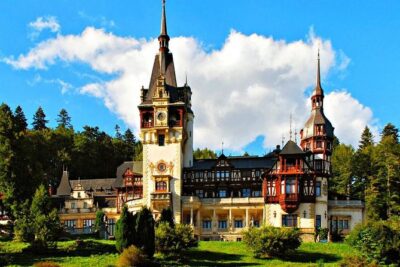
4-Day Private Tour of Transylvania from Bucharest
Read our review →
4-Day Carpathian Trek: Bucegi Mountains and Piatra Craiului National Park
Read our review →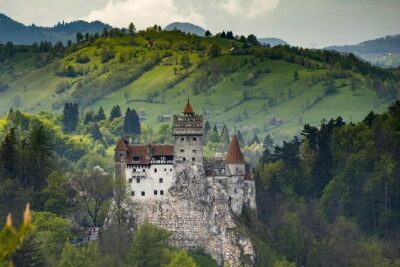
Private 4-Day Tour in Transylvania including Transfagarasan Road from Bucharest
Read our review →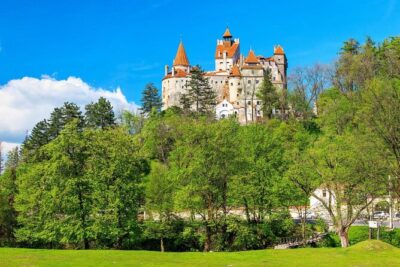
4-Day Transylvania and Dracula Tour from Bucharest
Read our review →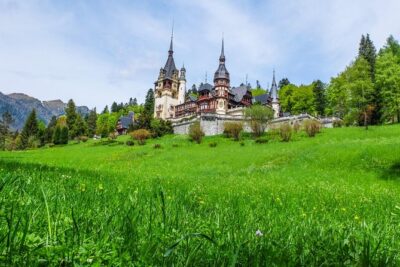
Browse the lists this tour appears in