
Reviewed · MONASTERY TOURS
Bucovina Painted Monasteries & Transylvania Tour: 4-Day Private
Romania rewards travelers who keep moving. This four-day private tour links the painted monasteries of Bucovina with the medieval towns and fortified churches of Transylvania, giving you a broad look at Romania without juggling trains, hotels, parking, and directions yourself. You travel in private transport, sleep three nights in three-star hotels, and have a guide focused on your group.
I especially like the one-on-one guiding and the chance to see three of Bucovina’s great painted monasteries in one carefully planned trip. I also like the mix of religious art, Saxon towns, royal architecture, and countryside roads. The main drawback is the pace: this covers a lot of ground in four days, and several days involve long drives and full sightseeing schedules.
- Three famous painted monasteries: Sucevita, Moldovita, and Voronet receive two hours each on day two.
- Two major nunneries: Agapia and Varatec offer a different view of Orthodox monastic life.
- Private transport from Bucharest: Your group avoids the limits of a large coach tour.
- Medieval Transylvania in one day: Sighisoara, Viscri, and Brasov provide three distinct historic settings.
- Royal and Gothic finale: The Black Church and Peles Castle finish the trip near Sinaia.
- Guides with a personal touch: Toni and Marius are associated with especially warm, attentive guiding on this route.
In This Review
- Why This Four-Day Route Works
- Day One: Agapia and Varatec Among the Nuns
- Day Two: Bucovina’s Painted Walls
- Sucevita Monastery
- Moldovita Monastery
- Voronet Monastery
- The Painted Egg Museum and Time for Detail
- Day Three: Sighisoara, Viscri, and Brasov
- Sighisoara’s Walled Citadel
- Viscri Fortified Church
- Brasov Historical Center
- Day Four: Gothic Brasov and Peles Castle
- Transport, Hotels, and Physical Effort
- What the $1,356.43 Price Really Buys
- Who Should Book This Tour
- FAQ
- Where does the tour start and end?
- What time does the tour begin?
- How long is the tour?
- Is this a private tour?
- Are hotels and breakfast included?
- Are all entrance fees included?
- What should I wear at the monasteries?
- Should You Book It?
Why This Four-Day Route Works
Romania is not a small country in sightseeing terms. Bucharest sits far from the painted monasteries of northern Moldavia, and Bucovina is also a long way from Transylvania. Reaching both areas in only four days requires efficient planning.
That is where a private tour makes sense. Your guide handles the driving route, hotel transitions, parking, and timing while you focus on the views and visits. Pickup and drop-off can be arranged anywhere in Bucharest, with a listed start time of 9:00 am.
The private format also gives you room to ask questions. If a fresco catches your attention, you can stop and discuss it rather than wait for a group to gather. Guides connected with Crafted Tours Romania include Toni Tatar and Marius. Toni is praised for bringing Romanian history to life, while Marius is noted for explaining the art, religion, and construction of the monasteries with real enthusiasm.
You should still understand the tradeoff. Private travel usually costs more than joining a large bus. At $1,356.43 per person, this is a serious purchase, especially for a solo guest or a pair. The price becomes easier to defend when divided among a larger private group, since it includes three nights, three breakfasts, private transport, hotel transfers, guiding, and the convenience of a custom group experience.
Day One: Agapia and Varatec Among the Nuns
The first day introduces you to the monastic side of northern Romania with visits to Agapia Monastery and Varatec Monastery. Each receives about an hour, enough for a focused visit but not an extended study of every building and artwork.
Agapia was built between 1641 and 1643 by Gavriil Coci, the brother of Moldavian ruler Vasile Lupu. The church was later restored and changed several times. Its most famous artistic connection is Nicolae Grigorescu, who painted the church between 1858 and 1861.
Grigorescu is one of Romania’s best-known painters, so this stop gives you more than a church visit. It connects Orthodox worship with the development of Romanian art. Agapia is also one of the country’s largest nunneries, with roughly 300 to 400 nuns.
Varatec is even larger, with more than 400 nuns living there. That scale changes the feeling of the place. You are not just looking at an old monument. You are seeing a functioning religious community, with daily life continuing around the historic buildings.
Dress matters here. Trousers or a long skirt are needed to enter the grounds, according to the practical notes from the visit. A covered head was not required in the information provided, but modest clothing remains the sensible choice for Orthodox religious sites.
The one-hour stops may feel short if you enjoy quiet observation or photography. A reader who wants long periods inside churches should ask the operator how much flexibility is possible. Still, this opening day gives you a useful foundation before the more famous painted churches arrive.
More painted monastery visits:
- Princely Court of Târgoviște and Curtea de Argeș Monastery
★ 4.5 · 50 reviews - Small Group Tour to Mogosoaia Palace & Snagov Monastery
★ 4.4 · 41 reviews - Sacred Monasteries Private Tour: Snagov, Țigănești & Căldărușani
★ 5.0 · 32 reviews
Day Two: Bucovina’s Painted Walls
Day two is the artistic heart of the trip. You visit Sucevita, Moldovita, and Voronet, with about two hours assigned to each. That is a much better rhythm than racing through all three in a few minutes.
Sucevita Monastery
Sucevita combines Byzantine and Gothic influences with features linked to the painted churches of northern Moldavia. Both the interior and exterior walls carry mural paintings showing scenes from the Old and New Testaments.
Two hours gives you time to look beyond the overall color and detail. Ask your guide to point out how the church architecture supports the paintings and how the scenes are arranged. Without explanation, the walls can seem like a single mass of images. With context, you begin to see the order and purpose behind them.
Sucevita is a strong first major monastery because it sets up comparisons with the next two. You can begin asking which colors, figures, and compositions feel different from church to church.
Moldovita Monastery
Moldovita was built in 1532 by Petru Rareș, the son of Stephen the Great. It was founded as a protective religious and cultural barrier against Ottoman forces coming from the east.
That origin adds political weight to the artwork. These monasteries were places of worship, but they also expressed power, identity, and confidence during a difficult period. Your guide can help connect the biblical scenes to the wider story of Moldavia.
Moldovita is another stop where the exterior walls matter as much as the interior. Look closely rather than simply taking in the whole building. The value is in the small details, repeated figures, and the way the paintings cover the structure.
More Transylvania trips:
- Transylvania and Dracula Castle Full Day Tour from Bucharest
★ 4.5 · 1,589 reviews - Castles of Transylvania: Private Day Trip from Bucharest
★ 4.5 · 248 reviews - 2-Day Medieval Transylvania with Brasov,Sibiu and Sighisoara Tour from Bucharest
★ 4.5 · 145 reviews - 2-Day Transylvania from Bucharest: Brasov, Bran, Sighisoara
★ 5.0 · 60 reviews
Voronet Monastery
Voronet is the most famous name on this day. Stephen the Great built it in 1488 after his victory at the Battle of Vaslui. Construction reportedly took only three months and three weeks, an astonishingly short period for a medieval monastery.
The church is often called the Sistine Chapel of the East, but the comparison can create the wrong expectation. Voronet is not a copy of a Western Renaissance chapel. Its power comes from its own Orthodox visual language and from the intense blue associated with it in Romania as Voronet blue.
The frescoes are more than decoration. They present religious teaching across the walls, using color and repeated scenes to communicate with worshippers. Your guide can make the difference between a quick look and a memorable visit.
Photography rules and fees can vary by site. At one monastery, outdoor photographs required a 10 lei receipt, while indoor photography was not allowed. Carry some Romanian currency and follow posted instructions. It is a small practical detail, but it prevents an awkward moment at the entrance.
The monasteries are active religious places, not open-air museums. Silence, modest clothing, and patience are appropriate. You may also find restoration work taking place. One especially interesting account of this route described seeing conservation in action and comparing older paintings with a newly painted monastery. Conditions can change, but the possibility of seeing how this art is preserved adds another layer to the day.
The Painted Egg Museum and Time for Detail
A notable extra from the guiding experience is a visit to a painted egg museum. The supplied schedule does not assign it a separate time, so you should confirm whether it is included on your departure.
This kind of stop fits the region well. Bucovina’s decorative traditions extend beyond church frescoes, and painted eggs offer a more intimate look at local craft. If you enjoy folk art, ask your guide whether the museum can be added without making the day too rushed.
Day two is likely to be the most rewarding part of the tour for anyone interested in art, religion, or medieval Moldavia. It is also the most visually demanding. Three churches with extensive fresco programs can blur together if you rush. Take notes, pause between visits, and let your guide help you compare them.
Day Three: Sighisoara, Viscri, and Brasov
Day three shifts from painted Orthodox churches to the German Saxon heritage of Transylvania. The change is welcome. After the close visual detail of Bucovina, you get fortified walls, medieval streets, and urban squares.
Sighisoara’s Walled Citadel
Sighisoara is one of Romania’s best-preserved medieval citadels and a UNESCO World Heritage Site. The old town is known for its walls and historic character, with about two hours for your visit.
This is a place to walk rather than simply photograph. The compact citadel lets you get a sense of how defensive towns worked, with homes, religious buildings, and commercial life packed inside fortified boundaries.
The two-hour allocation gives you a reasonable introduction, though it will not cover every corner at a leisurely pace. Wear comfortable shoes. The physical demand of the tour is moderate, but repeated walking on historic surfaces adds up over four days.
Viscri Fortified Church
Viscri offers a smaller-scale experience. Its fortified church, also a UNESCO World Heritage Site, reflects the medieval architecture and community life of the Transylvanian Saxons.
One hour is allotted here, and the admission fee is not included. This is one of the places where you should carry extra cash for entrance costs. The stop is less about a long museum visit and more about seeing a preserved rural church complex in its setting.
Viscri also helps explain why Transylvania is more than castles and Dracula stories. Its identity was shaped by communities, trade routes, fortified worship, and rural settlement. The church gives those ideas a physical form.
Brasov Historical Center
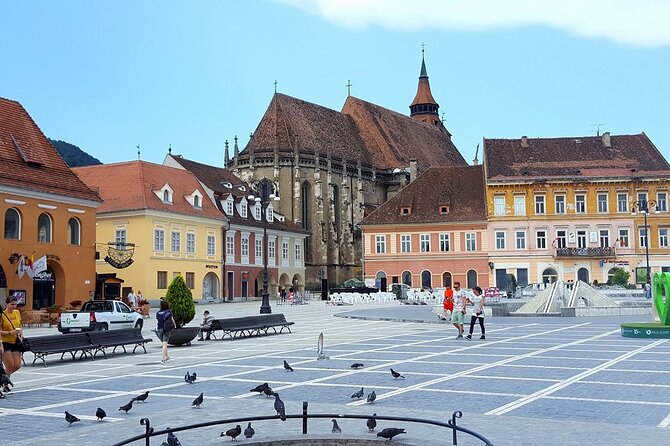
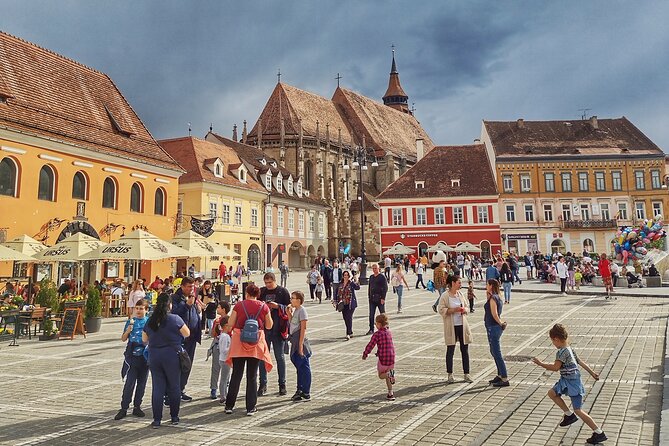
Brasov was once the regional capital of the Transylvanian Saxons in the Burzenland area and a major trade center between East and West. You receive about two hours in the historical center.
This is the largest urban stop of the day. Brasov gives you a chance to stretch your legs, take in the old city, and compare a living town with the preserved citadel of Sighisoara and the rural church at Viscri.
The schedule may leave you wishing for more time, especially if you want to explore shops or sit down for a long meal. Other meals, drinks, and snacks are not included, so plan your eating around the driving schedule. The company’s guiding style has been praised for helping groups find delicious, affordable restaurants, but restaurant choices and meal costs are not part of the listed price.
Day Four: Gothic Brasov and Peles Castle
The final day begins with the Black Church in Brasov. Built by the German community, it is Romania’s principal Gothic monument and one of the country’s most important Lutheran places of worship.
The church offers a useful contrast with Bucovina’s Orthodox monasteries. Here, you see the religious and architectural mark of the Transylvanian Saxons. The admission fee is not included, so budget for it separately.
The stop is scheduled for one hour. That should work for a focused visit, but if church interiors are a priority for you, confirm opening conditions before departure. Religious sites can have service schedules and local restrictions.
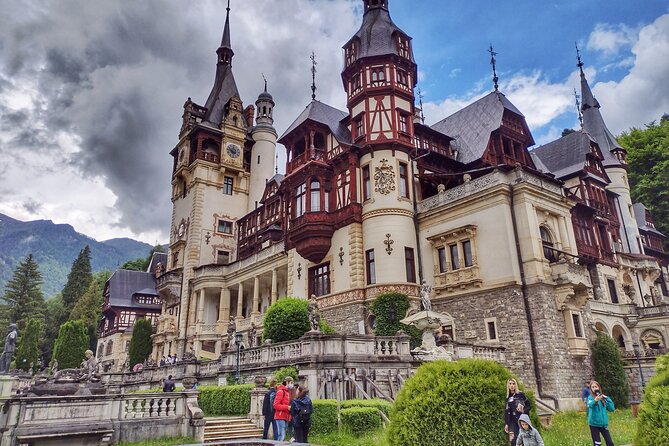
The final major stop is Peles Castle near Sinaia. Built between 1873 and 1914 for King Carol I, it served as a summer royal residence on the old route between Transylvania and Wallachia. Its Neo-Renaissance design makes a sharp change from both the medieval monasteries and the Gothic Black Church.
Peles is one of the tour’s strongest closing stops because it shows a later chapter of Romanian history. The castle reflects royal ambition, European artistic influence, and the country’s effort to define itself in the modern age.
Interior admission is not included. The schedule allows about one hour, so check what that time covers and whether a particular ticket level is planned. The supplied pricing notes contain conflicting information: the highlights describe entrance fees as included, while the detailed inclusions say interior visits are not included and mention approximately EUR 25 to EUR 30 per person. Treat the EUR 25 to EUR 30 figure as a possible additional budget and confirm the exact arrangement before paying.
Transport, Hotels, and Physical Effort
Private transport is one of the clearest advantages here. A comfortable, air-conditioned van was used on one trip, and the vehicle was described as spacious and new. That matters on a route with substantial driving between Bucharest, Bucovina, and Transylvania.
You spend three nights in three-star hotels, with breakfast each morning included. The accommodation has been described as lovely and comfortable, with one account calling it closer to five-star quality. Since hotel names are not provided, I would ask for the planned properties before booking if location, room style, or hotel standards are important to you.
The tour requires moderate physical fitness. You will walk through monastery grounds, historic centers, fortified sites, and castle interiors. The bigger challenge is not strenuous hiking. It is the combination of long road days, early starts, stairs or uneven historic surfaces, and several hours of sightseeing.
Medical support also deserves a brief mention. Marius was praised for helping a group member reach an emergency room, handling navigation and the medical system, and staying available late into the night. That is not a promised tour feature, but it gives you a useful sense of the care expected from the company’s guides.
What the $1,356.43 Price Really Buys
At $1,356.43 per person, this tour is not a budget excursion. The value comes from privacy and convenience rather than the cheapest possible bed or transport.
Your price includes:
- Three nights in three-star hotels
- Three breakfasts
- Private transport and guiding
- Hotel pickup and drop-off anywhere in Bucharest
- A private group experience
- Admission to some listed stops, though the entrance-fee wording needs confirmation
Meals, drinks, snacks, and certain interior tickets are not included. The Black Church, Viscri Fortified Church, and Peles Castle are specifically marked as having admission fees outside the package. The inconsistent wording about included tickets is the one area I would resolve in writing.
This tour makes better financial sense for a family or small group than for a solo visitor. Group discounts may be available, and private transport lets you share the cost while keeping the trip personal. If you value a guide who can adjust explanations, help with practical problems, and manage a complex route, the premium may be worthwhile.
Who Should Book This Tour
I would choose this experience if you want Romania’s major cultural contrasts in a short period. It suits first-time visitors who want a guide, couples or families who prefer private travel, and anyone drawn to religious art, medieval towns, Saxon heritage, and royal architecture.
It is also a good match for people who dislike driving in an unfamiliar country. The route covers remote areas where independent transport can be time-consuming.
I would hesitate if you want slow mornings, long meals, or several days in one place. The itinerary is ambitious. You may also prefer a longer trip if you want to study every monastery carefully rather than make a strong introduction to the region.
Cancellation terms are generous only when you act early. A full refund is available when you cancel at least six full days before the start time. Canceling two to six days ahead allows a 50 percent refund, while canceling less than two full days ahead brings no refund. Poor weather may lead to a new date or a full refund.
FAQ
Where does the tour start and end?
The tour starts and ends in Bucharest, Romania. Pickup and drop-off can be arranged anywhere in Bucharest.
What time does the tour begin?
The listed start time is 9:00 am.
How long is the tour?
The experience lasts approximately four days and includes three nights of accommodation.
Is this a private tour?
Yes. Only your group participates in the private tour or activity.
Are hotels and breakfast included?
Yes. The package includes three nights in three-star hotels and three breakfasts.
Are all entrance fees included?
The information is inconsistent. Some highlights describe entrance fees as included, but the detailed inclusions mark several interior visits as not included. Viscri Fortified Church, the Black Church, and Peles Castle are specifically listed with admission fees outside the package. Confirm the exact ticket arrangement before booking, and allow roughly EUR 25 to EUR 30 per person as a possible extra.
What should I wear at the monasteries?
Wear trousers or a long skirt for access to the monastery grounds. A covered head was not required in the information provided, but modest clothing is appropriate for these Orthodox religious sites.
Should You Book It?
Book this tour if you want a well-supported introduction to two of Romania’s most rewarding regions and prefer seeing a lot without managing the logistics yourself. The strongest reasons are the private guide, comfortable transport, careful mix of sites, and excellent access to Bucovina’s painted churches.
Before confirming, ask two questions: which hotels are planned, and exactly which entrance tickets are included. If the pace suits you and the ticket costs are clear, this is a strong choice for a compact Romanian journey. You will return with far more than castle photographs: you will have seen living monasteries, medieval communities, Saxon churches, royal ambition, and some of Europe’s most striking religious murals.
Just added around Bucharest
- 10 hours Private Apiary Tour in Romania – From Bucharest★ 5.0 · 3 reviews
- 4-Day Inside Transylvania & Transfagarasan Tour from Bucharest★ 5.0 · 3 reviews
- Bucharest: Charm of the Belle Époque Private Tour★ 5.0 · 3 reviews
- Bran & Peles Castles through the Best Road in the World: Transfagarasan road★ 4.5 · 3 reviews
- Private Wine Tasting at Bucharest’s First Wine Bar★ 5.0 · 3 reviews
- 2-Day Small-Group Tour in Transylvania from Bucharest – Maximum 5 Persons★ 5.0 · 3 reviews
- Probably the Best Restaurant and Wine Cellar near Bucharest★ 4.5 · 3 reviews
- Bucharest to Brasov – Fast Private Transfer★ 5.0 · 3 reviews
Monastery Tours, compared.
3-Castle: Peles,Bran,Rasnov,Sinaia Monastery from Brasov w pickup
Read our review →
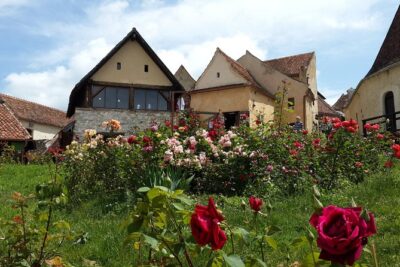
Peles Castle, Bran Castle, Rasnov Fortress and Sinaia Monastery Tour from Brasov
Read our review →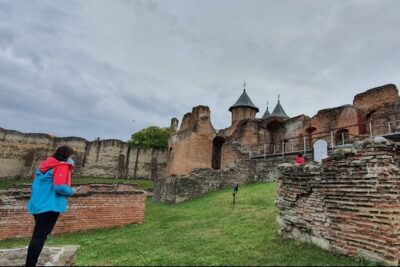
Princely Court of Târgoviște and Curtea de Argeș Monastery
Read our review →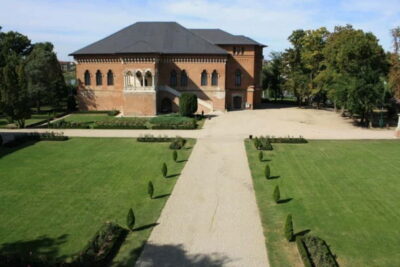
Small Group Tour to Mogosoaia Palace & Snagov Monastery
Read our review →
1-Day Bucovina Painted Monasteries tour from Suceava – English
Read our review →
Sacred Monasteries Private Tour: Snagov, Țigănești & Căldărușani
Read our review →
Transfagarasan Highway, Balea Lake & Carta Monastery
Read our review →Browse the lists this tour appears in