Reviewed · BUCHAREST TOURS
Bucharest: The Italian emigration in Romania
Bucharest’s Italian story is hiding in plain sight. This two-hour walking tour follows the marks left by Italian immigrants who came to Romania in the late eighteenth and early nineteenth centuries, using the city’s grand central streets as a history book. I like the route’s focus on Italian influence, rather than a standard overview of Bucharest, and I like that it connects major sights with a less familiar human story.
The walk includes the Palace of Justice, the CEC Bank building, Revolution Square, the old Senate house, the Romanian Athenaeum, and the Italian Church. A possible drawback is the meeting point: the office location and the exact place to meet are described slightly differently, and one scheduled departure reportedly failed when nobody was at the office. You should confirm the meeting instructions before setting out.
In This Review
- Key points to know before booking
- Why Bucharest’s Italian story is worth two hours
- Starting beside the Dambovita River
- Palace of Justice and the first look at old Bucharest
- Victory Road, Bucharest’s grand central spine
- Revolution Square and the old Senate house
- The Athenaeum and the Italian Church
- Finishing in Bucharest’s old town
- What the $34 price buys you
- Who will enjoy this walking tour?
- Booking advice and cancellation flexibility
- Should you book this Bucharest tour?
- FAQ
- How long does the tour last?
- What language is the tour conducted in?
- Where does the tour begin?
- What sights are included?
- Where does the tour end?
- What should I bring?
- Can I cancel for a refund?
Key points to know before booking
- A two-hour route with a clear theme: The walk is built around Italian immigration and its effect on Bucharest’s buildings, institutions, and city life.
- Major sights along Victory Road: You pass the National History Museum, CEC Palace, Revolution Square, the Athenaeum, and the Italian Church.
- Italian-language guiding: The live guide speaks Italian, making this especially useful for Italian-speaking visitors.
- A riverside start: The tour begins near Piata Natiunile Unite, crosses the Dambovita River, and enters Bucharest’s historic center.
- Daniel received especially strong praise: He was described as punctual, friendly, informative, flexible with stop requests, and willing to begin at a hotel.
- Check the start point carefully: Meet in Piata Natiunile Unite, about 100 meters from the Transylvanian Wonders office at Bulevardul Natiunile Unite 4, Bloc 107/A.
Why Bucharest’s Italian story is worth two hours
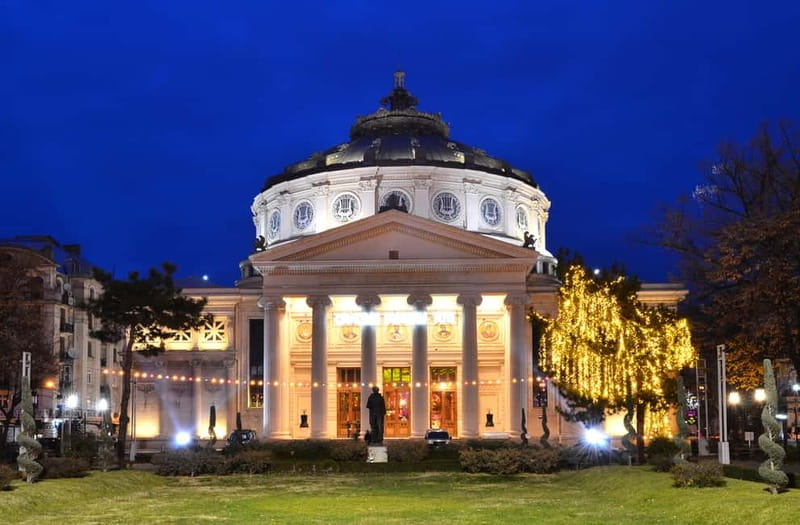
Bucharest is often introduced through its twentieth-century upheavals, grand avenues, and old-town nightlife. This walk takes another route into the city’s past. It asks you to notice how Italian immigrants helped shape Bucharest during a period when the capital was changing quickly.
The focus is not only on famous buildings. You also hear how Italian arrivals influenced the development of the city and Romania. That gives the walk a useful sense of connection: architecture, religion, public institutions, and migration all meet along the same central route.
I like this approach because it turns familiar sights into stops with a purpose. The CEC Palace is not just an attractive building to photograph. The Italian Church is not just another point on a sightseeing list. Each place helps explain how Italian people and Italian culture became part of Bucharest’s story.
The tour is conducted in Italian. That is an important detail, not a footnote. If you are comfortable in Italian, you can expect the explanations and questions to flow in your own language. If you do not speak Italian, this is not the right booking, since no other guide language is stated.
A few more trips worth weighing up before you book
- Bucharest: Dracula’s Castle, Peles Castle, & Brasov Old Town
★ 4.5 · 17,858 reviews - Bucharest: Dracula Castle, Peles Castle & Brasov Old Town
★ 4.6 · 10,891 reviews - Bucharest: Dracula’s Castle, Peleș Castle & Brașov Day Trip
★ 4.5 · 5,919 reviews
Starting beside the Dambovita River
The meeting area is Piata Natiunile Unite, near the Dambovita River. The stated office address is Bulevardul Natiunile Unite 4, Bloc 107/A, but the practical instruction says to meet in the square about 100 meters from the office.
That difference matters. Bucharest’s streets and large apartment blocks can make a first meeting harder than it looks on a map. I would arrive early, save the office address and square name on your phone, and confirm the precise point with the provider before the tour begins.
From Piata Natiunile Unite, you cross the Dambovita and move toward the old central streets. The river gives you a clean starting point, both geographically and historically. You begin at the edge of the old center, then move into the part of Bucharest where grand public buildings, old commercial streets, and political landmarks sit close together.
The walk is on foot for two hours, so comfortable shoes are essential. You should also dress for the weather. There is no indication of transport between stops, and the value of the experience comes from seeing the sequence of buildings on foot rather than racing from one address to another.
Palace of Justice and the first look at old Bucharest
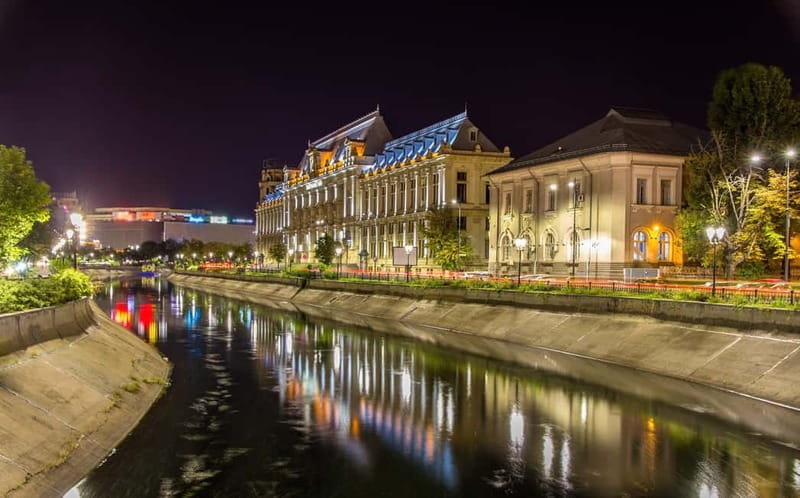
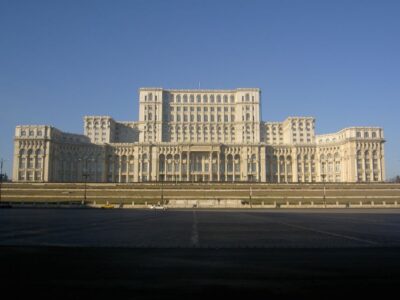
The Palace of Justice is one of the first major landmarks on the route. Its position on the Dambovita makes it a strong opening sight, with the river setting the scene for the city center.
This stop helps you understand the scale of Bucharest’s public architecture. The tour is not limited to small traces of immigration. It uses imposing civic buildings to show the kind of city Italian workers, architects, craftsmen, and religious figures encountered and helped develop.
The supplied details do not promise an interior visit, so you should expect to view the building from outside and hear the guide’s explanation. That is typical of a compact walking tour, and it keeps the group moving toward Victory Road. If you want long interior visits or museum time, two hours will feel short.
Victory Road, Bucharest’s grand central spine
Victory Road is the main thread of the tour. The route presents it as Bucharest’s most famous street, and it is where the Italian connection becomes easiest to follow from one stop to the next.
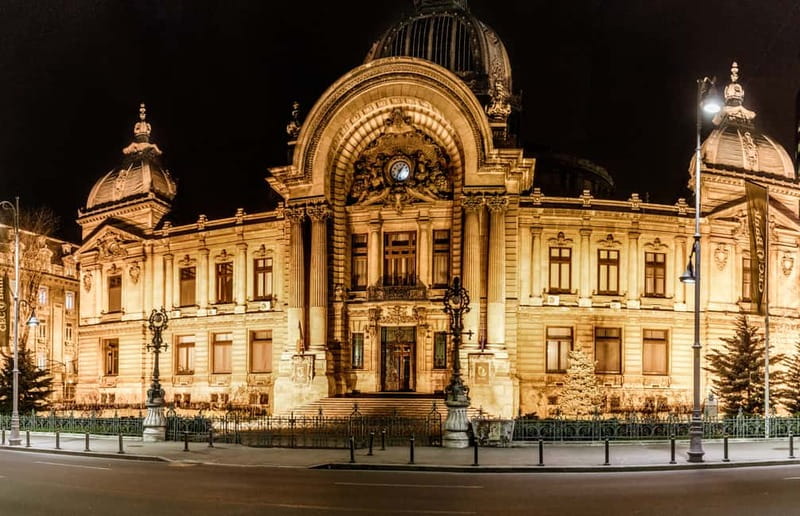
You pass the National History Museum and the CEC Palace, also known as the CEC Bank building. These sights give the walk a strong architectural backbone. You are not simply hearing an isolated story about immigration. You are seeing the institutions and buildings connected with the city’s growth.
The National History Museum adds a national frame to the walk. The CEC Palace adds a financial and architectural one. Together, they help show Bucharest as a capital shaped by public life, commerce, and outside influences.
I especially like the way the route uses Victory Road to link these subjects. A guide can point out details you might otherwise walk past, then explain how Italian immigrants left a mark on the capital. That kind of street-level interpretation is the main reason to choose this experience over a general city walk.
The main limitation is pace. With several important stops packed into two hours, you will get an introduction rather than a long treatment of every building. You should expect short explanations, time for questions, and continued walking.
A completely different kind of day out around Bucharest:
- Bucharest: Palace of Parliament Tickets and Guide
★ 4.3 · 3,182 reviews - Bucharest: Day Trip to Dracula Castle, Peles Castle & Brașov
★ 4.4 · 3,049 reviews - Bucharest to Dracula Castle, Peles Castle and Brasov Guided Tour
★ 4.5 · 2,933 reviews - Bucharest: Palace of Parliament Tickets and Guided Tour
★ 4.4 · 1,877 reviews
Revolution Square and the old Senate house
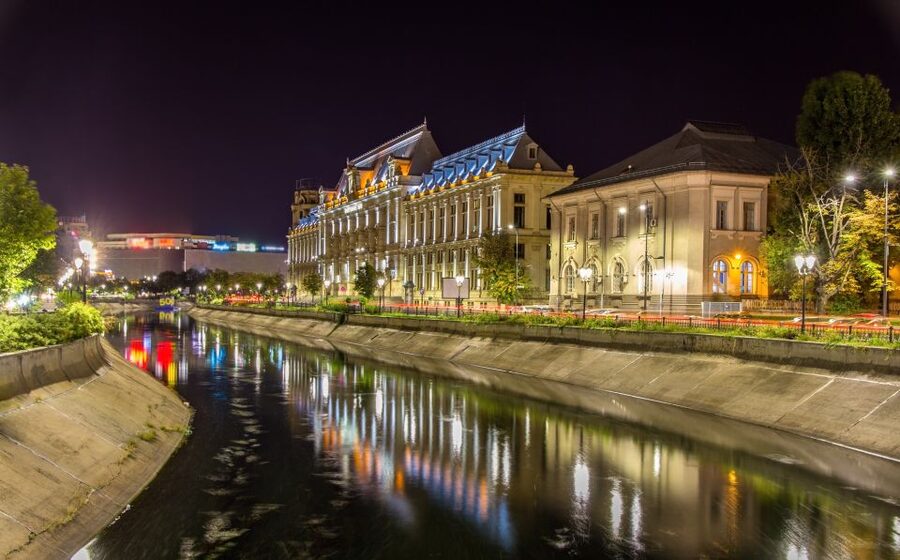
Revolution Square gives the tour a shift in mood. The square is tied to major political moments in Romania, and the old Senate house adds another layer of civic history.
Here, the Italian immigration theme sits beside Bucharest’s wider political story. That contrast is useful. It shows that the Italian presence was not separate from the city’s development. It became part of a capital shaped by public institutions, political change, and national identity.
The details provided do not specify how long the guide stays at the square or whether any building is entered. Plan for exterior commentary. You will get more from this stop if you listen for connections between the city’s political development and the people who helped build, serve, and influence it.
Revolution Square is also the sort of place where a personal guide can make a real difference. One highly praised guide, Daniel, was described as able to answer questions, adjust the route for specific stop requests, and explain Bucharest beyond the individual sights. That flexibility matters here because the square can raise as many questions as it answers.
The Athenaeum and the Italian Church
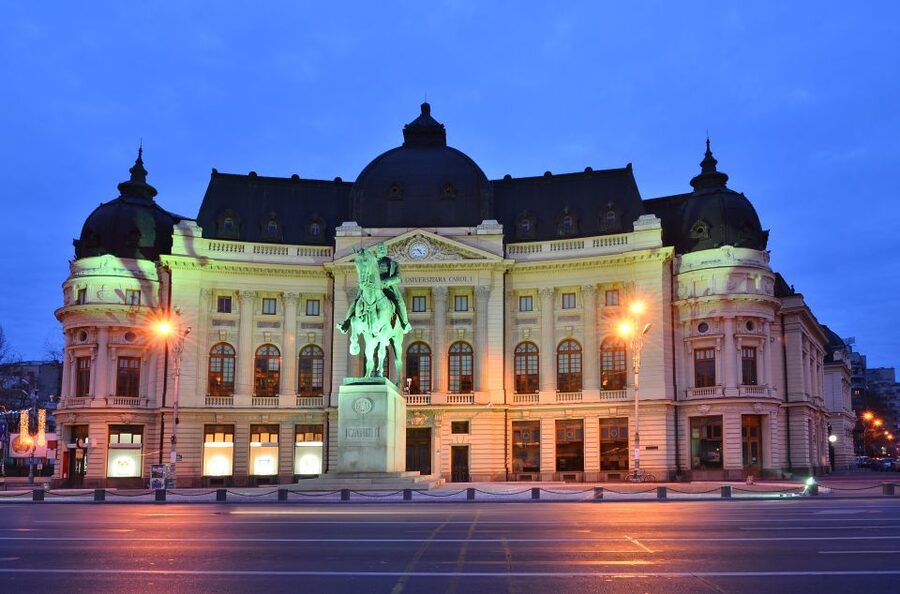
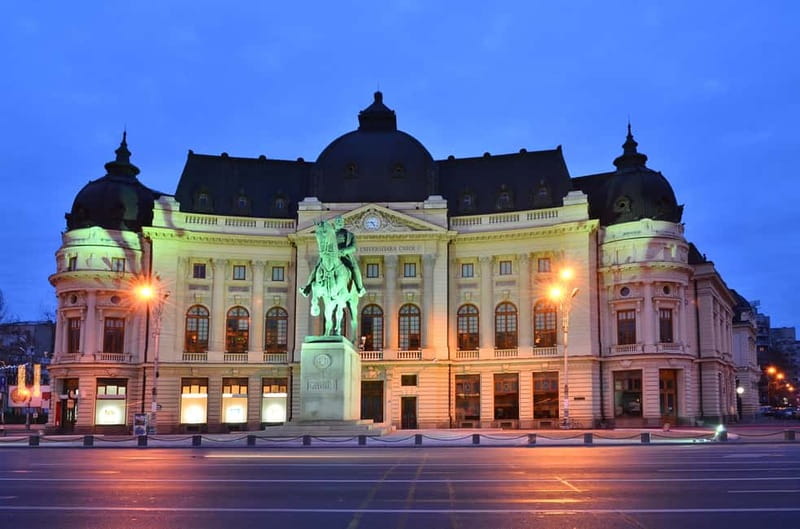
The Romanian Athenaeum is another important stop on Victory Road. Along with the Italian Church, it brings the cultural and religious sides of the tour into view.
The Athenaeum represents the grand public face of Bucharest. The Italian Church gives the Italian story a more direct and personal connection. Together, they help broaden the tour beyond construction and city planning. You hear about how Italian immigrants influenced the city’s cultural and religious life as well as its physical appearance.
The Italian Church is likely to be one of the most meaningful points for anyone booking this experience specifically because of the Italian connection. It gives the theme a visible home in the city. The tour details do not state that you enter the church, so plan on an exterior stop unless the guide confirms otherwise.
I also like this part of the route because it avoids treating immigration as a single event from the past. The buildings show how a community can leave marks across different parts of city life. You move from banks and museums to civic buildings, cultural institutions, and a church.
Finishing in Bucharest’s old town
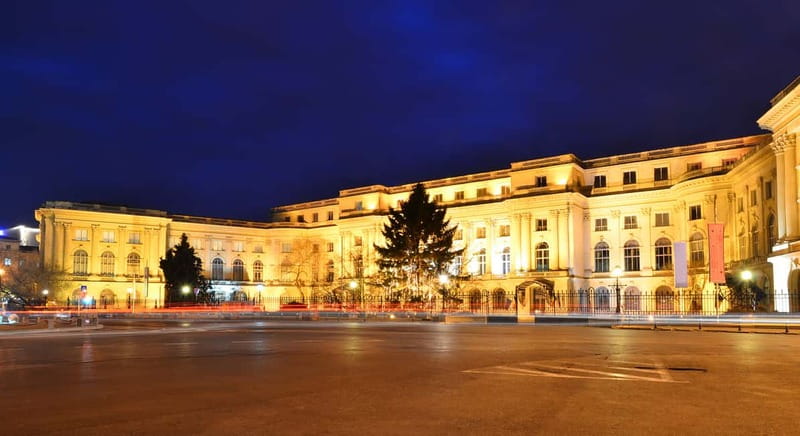
The walk is described as ending in Bucharest’s old town, with a short recap of the importance of Italian immigration in Bucharest and Romania. The meeting information also says the activity ends back at the meeting point, so you should confirm the final location when booking.
Either way, the old town is a sensible place to finish. The route begins near the Dambovita and moves into the old center, so the final recap comes after you have seen the city’s historic core and its major central landmarks.
A short recap is useful after a theme-heavy walk. The Italian contribution might otherwise feel scattered across several buildings. The guide can bring the pieces together and explain what Italian immigration meant for the capital’s development.
Do not expect a full old-town tour on top of the Italian history route. The old town is the setting for the finish, not a promise of a separate survey of every lane, church, or restaurant. If you want to continue exploring afterward, the central location makes that practical, but no specific follow-on activities are included.
What the $34 price buys you
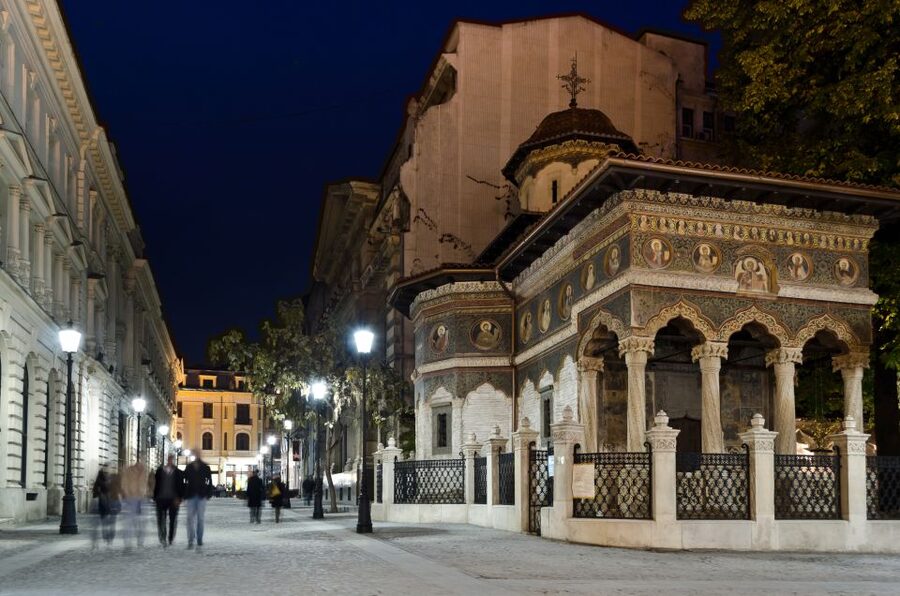
At $34 per person, this is priced as a focused private-style or small-group cultural walk, though the group size is not stated. You are paying for a professional local guide and a carefully selected route, not admissions, food, or transport.
The value depends on your interests. If you want a broad first introduction to Bucharest, a general city tour may cover more ground. If you are curious about Italian emigration, architecture, or the personal forces behind the city’s growth, this tour offers a more unusual angle for the money.
Two hours is a good length for a themed introduction. It is long enough to connect several landmarks without taking half a day from your Bucharest plans. It is also short enough to fit before lunch, after arrival, or alongside another museum visit.
The strongest value comes from the guide. Daniel received praise for being punctual, friendly, informative, good-humoured, and willing to accommodate specific stops. He also arranged to start from a hotel for one booking, which is a useful sign of flexibility, although you should not assume hotel pickup is a standard inclusion.
The value is weakened by uncertainty around the meeting arrangement. One person arrived for a scheduled tour and found no one at the office, with no clear signs and no contact. That is a serious practical concern. Confirm the time, guide name, and meeting spot in writing before you go.
Who will enjoy this walking tour?
I would recommend it most strongly to:
- Italian-speaking visitors who want a tour in Italian
- People interested in migration, architecture, and cultural connections
- Repeat visitors who have already seen Bucharest’s main sights
- Anyone who prefers a two-hour walk to a longer day tour
- Visitors who want a guide-led introduction to Victory Road and the old center
It may be less suitable if you want to enter every major building, spend long periods in museums, or cover Bucharest’s entire history. It is also not suitable for people over 95, according to the activity information.
You should be ready to walk outdoors for two hours. Bring comfortable shoes and weather-appropriate clothing. Alcohol, drugs, audio recording, and bare feet are not allowed, though these rules should not affect most visitors on a normal city walk.
Booking advice and cancellation flexibility
The experience allows free cancellation up to 24 hours before the start for a full refund. You can also reserve now and pay later, which is helpful if your Bucharest schedule is still changing.
Those policies make the booking less risky, but they do not remove the need to verify the meeting details. The office is on Bulevardul Natiunile Unite 4, Bloc 107/A, while the actual meeting point is described as Piata Natiunile Unite, about 100 meters away.
I would contact Transylvanian Wonders SRL before the day of the tour and ask three direct questions: Where exactly should I wait? What is the guide’s name? How will I identify the guide? This is especially sensible because the office reportedly lacked clear signs during one failed departure.
Should you book this Bucharest tour?
Book it if you speak Italian and want more than a checklist of Bucharest landmarks. The Italian immigration theme gives the Palace of Justice, CEC Palace, Revolution Square, the Athenaeum, and the Italian Church a clear connection, while the two-hour length keeps the outing manageable.
I would hesitate if you need a perfectly simple meeting arrangement or want guaranteed interior access to the buildings. The mixed information about the start and end points deserves attention, and one missed departure is a warning you should not ignore.
For the best experience, confirm the meeting point, arrive early, wear good walking shoes, and ask for Daniel if he is available. At $34, the tour can offer solid value when the guide is punctual, flexible, and able to bring the Italian story to life. Just make the meeting details part of your pre-tour planning.
FAQ
How long does the tour last?
The walking tour lasts two hours. Starting times vary, so you need to check availability for the date you want.
What language is the tour conducted in?
The live tour guide speaks Italian. No other guide language is specified.
Where does the tour begin?
The meeting area is Piata Natiunile Unite. You should meet about 100 meters from the Transylvanian Wonders office at Bulevardul Natiunile Unite 4, Bloc 107/A.
What sights are included?
The route includes the Palace of Justice, CEC Bank building, Victory Road, the National History Museum, Revolution Square, the old Senate house, the Romanian Athenaeum, and the Italian Church.
Where does the tour end?
The description says the tour ends in Bucharest’s old town, while the meeting information says the activity ends back at the meeting point. Confirm the final location with the provider.
What should I bring?
Bring comfortable shoes and clothing suitable for the weather.
Can I cancel for a refund?
Yes. You can cancel up to 24 hours in advance for a full refund. You can also reserve now and pay later.
Just added around Bucharest
- 4-Day Inside Transylvania & Transfagarasan Tour from Bucharest★ 5.0 · 3 reviews
- 10 hours Private Apiary Tour in Romania – From Bucharest★ 5.0 · 3 reviews
- Bucharest: Charm of the Belle Époque Private Tour★ 5.0 · 3 reviews
- Bran & Peles Castles through the Best Road in the World: Transfagarasan road★ 4.5 · 3 reviews
- 2-Day Small-Group Tour in Transylvania from Bucharest – Maximum 5 Persons★ 5.0 · 3 reviews
- Private Wine Tasting at Bucharest’s First Wine Bar★ 5.0 · 3 reviews
- Bucharest to Brasov – Fast Private Transfer★ 5.0 · 3 reviews
- Probably the Best Restaurant and Wine Cellar near Bucharest★ 4.5 · 3 reviews
Bucharest Tours, compared.
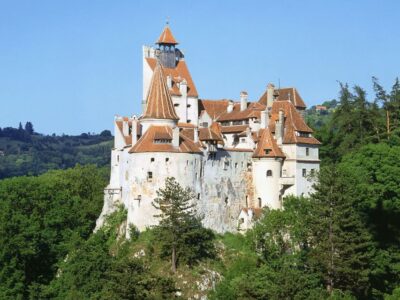
Dracula’s Castle, Peles Castle, & Brasov Old Town
Read our review →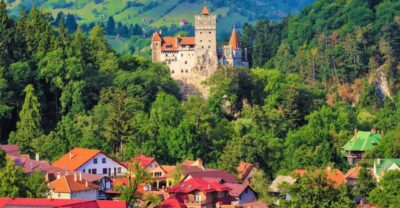
Dracula Castle, Peles Castle & Brasov Old Town
Read our review →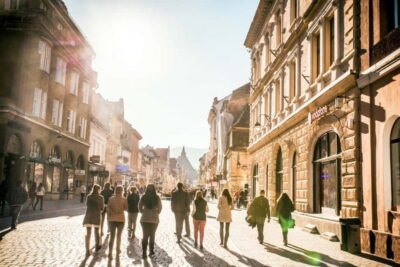
Dracula’s Castle, Peleș Castle & Brașov Day Trip
Read our review →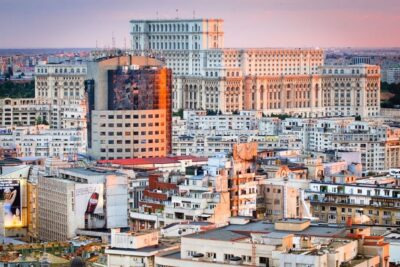
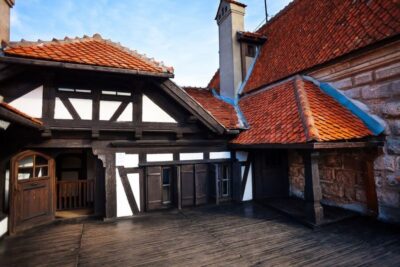
Day Trip to Dracula Castle, Peles Castle & Brașov
Read our review →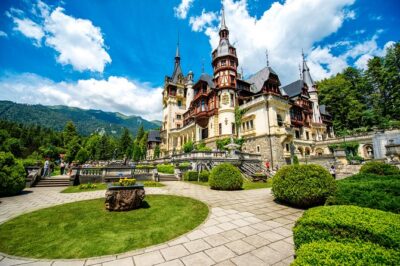
Bucharest to Dracula Castle, Peles Castle and Brasov Guided Tour
Read our review →