Reviewed · PRIVATE
Bucharest: Private Three Neighborhoods Tour by Vintage Car
See Bucharest beyond its monuments. This private 3.5-hour drive uses a restored Dacia 1310, one of Romania’s most recognizable cars, to show you three very different neighborhoods and the people who live there. The route links elegant villas, communist apartment blocks, local markets, churches, and one of the city’s poorest districts.
I like the way this tour looks at social life, not just grand buildings. I also like the private format, hotel pickup and drop-off, and the chance to stop for photographs without being packed into a large bus. The main consideration is that Ferentari is presented through poverty and hardship, so you should book only if you are prepared for a serious, respectful look at Bucharest.
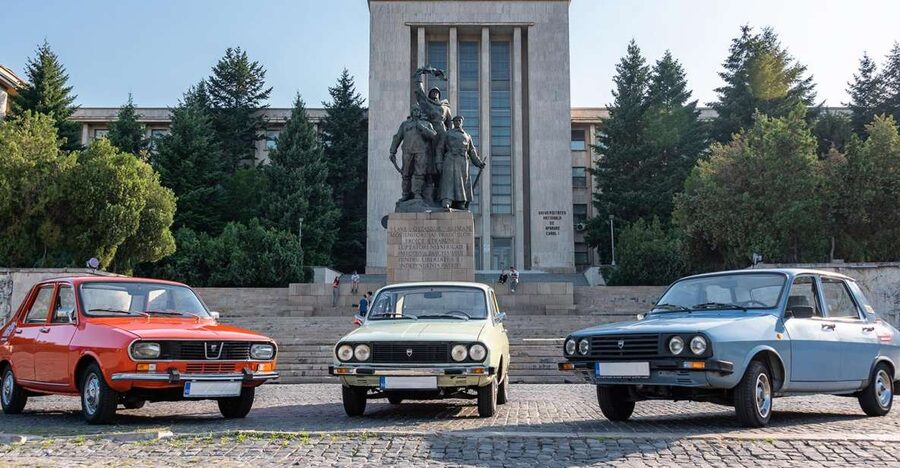
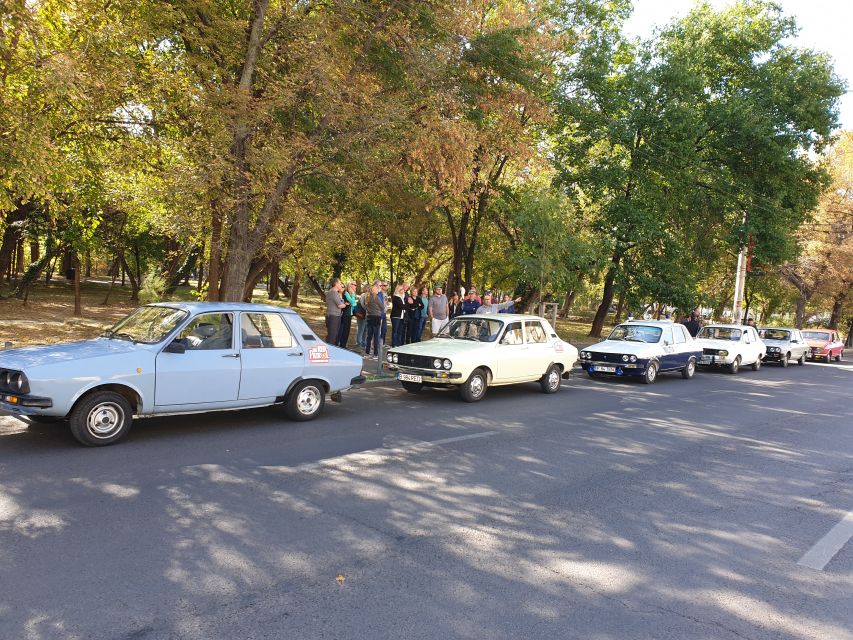
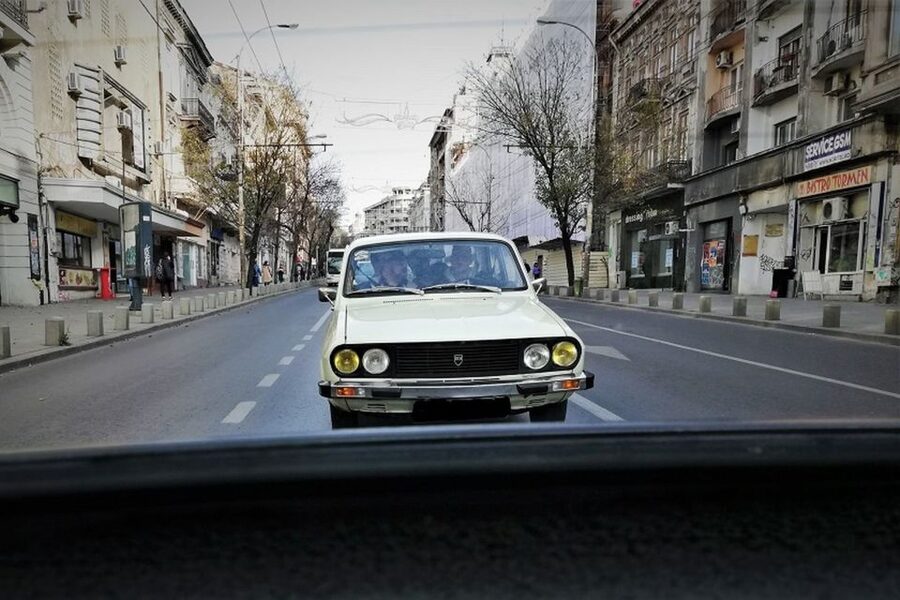
The car itself is part of the lesson. The Dacia 1300 and 1310 were familiar sights during the communist period, and this restored 1970s or 1980s vehicle gives the ride a strong local character. You do not drive it yourself, and it has no air conditioning, ABS, GPS, power steering, or automatic transmission. That is part of the old-car charm, but it also means you should expect a basic ride rather than modern comfort.
In This Review
- Key points to know before booking
- Why the Dacia 1310 changes the city tour
- Bragadiru Palace begins the route with a grand contrast
- Costache Negri Fountain and Cotroceni Palace
- La Broscuțe and Drumul Taberei show ordinary Bucharest
- Rahova and Toporași lead toward Ferentari
- Ferentari offers a difficult but important view
- The Palace of the Parliament closes the circuit
- What the three-neighborhood idea gets right
- Guide quality, comfort, and group size
- Is $126 per person a fair price?
- Who should book this Bucharest experience?
- Final verdict: a revealing ride for curious visitors
- FAQ
- How long does the Bucharest vintage-car tour last?
- What kind of car is used?
- How many people can ride in one vehicle?
- Does the tour include hotel pickup and drop-off?
- Is air conditioning available in the Dacia?
- Are children allowed on the tour?
- Is the tour suitable for wheelchair users or people with mobility impairments?
Key points to know before booking
- The Dacia is the star of the experience: Ride through Bucharest in a restored 1310, with time for distinctive photographs.
- Three neighborhoods show three social settings: Cotroceni represents the bourgeois quarter, Drumul Taberei reflects everyday apartment-block life, and Ferentari introduces the city’s poorest communities.
- The route includes major landmarks: You stop near Cotroceni Palace and the Palace of the Parliament, along with smaller local sights.
- The tour is genuinely private: Three people travel in each vehicle, with a convoy available if your party is larger.
- The guide adds social context: The strongest part of the tour is the explanation of how different Bucharest communities live.
- The ride has real limitations: No air conditioning, large bags, pets, children under 10, pregnant people, and wheelchair users are not permitted.
Why the Dacia 1310 changes the city tour
Bucharest can be easy to misunderstand if you only visit its famous buildings. The restored Dacia gives you a moving window onto the city’s recent past, while the route shows how different neighborhoods fit together.
This is not a polished luxury vehicle. The Dacia lacks modern features, and in warm weather the missing air conditioning may matter. Still, that plain interior is exactly why the car works so well here. It is an everyday Romanian vehicle, not a tourist prop imported for the occasion.
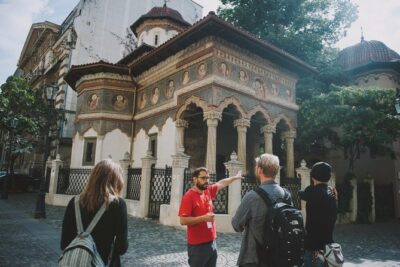
You ride with a professional local guide in your car. The guide drives, points out places, explains local conditions, and handles the route. Since the group is private, you can ask questions and stop for photos at the scheduled points without waiting for a coach full of people.
The standard arrangement is three people per car. Larger parties can be organized as a convoy, though each vehicle remains a small private unit. Water and a souvenir are included, along with pickup and return to your Bucharest accommodation.
A few more trips worth weighing up before you book
- Bucharest: Dracula’s Castle, Peles Castle, & Brasov Old Town
★ 4.5 · 17,858 reviews - Bucharest: Dracula Castle, Peles Castle & Brasov Old Town
★ 4.6 · 10,891 reviews - Bucharest: Dracula’s Castle, Peleș Castle & Brașov Day Trip
★ 4.5 · 5,919 reviews
Bragadiru Palace begins the route with a grand contrast
The first listed stop is Bragadiru Palace, with about 30 minutes for sightseeing, photographs, and commentary. This gives the tour an early sense of contrast: a formal palace setting before the route turns toward ordinary streets and residential districts.
The stop is useful because it places Bucharest’s grand architecture beside the more everyday parts of the city that follow. You should expect a guided visit and photo time, but the main purpose is to set the scene rather than provide a full palace tour.
If you enjoy architecture and city photographs, this is a good early pause. Bring comfortable shoes, since the experience includes short walks and stops outside the car.
Costache Negri Fountain and Cotroceni Palace
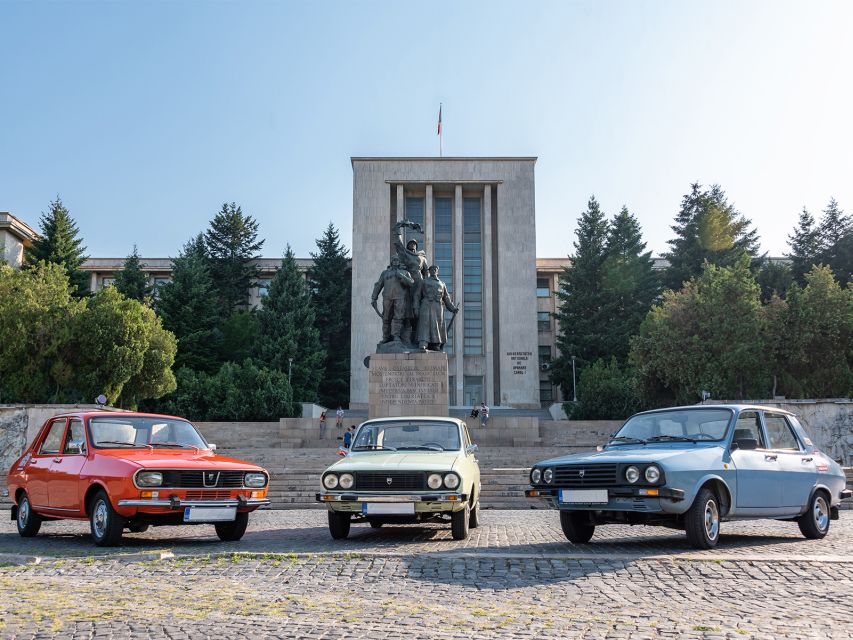
The route continues to the Costache Negri Fountain for roughly 20 minutes. This is another chance to get out, take photographs, and hear more from the guide. Short stops like this keep the tour from becoming three straight hours in the back seat.
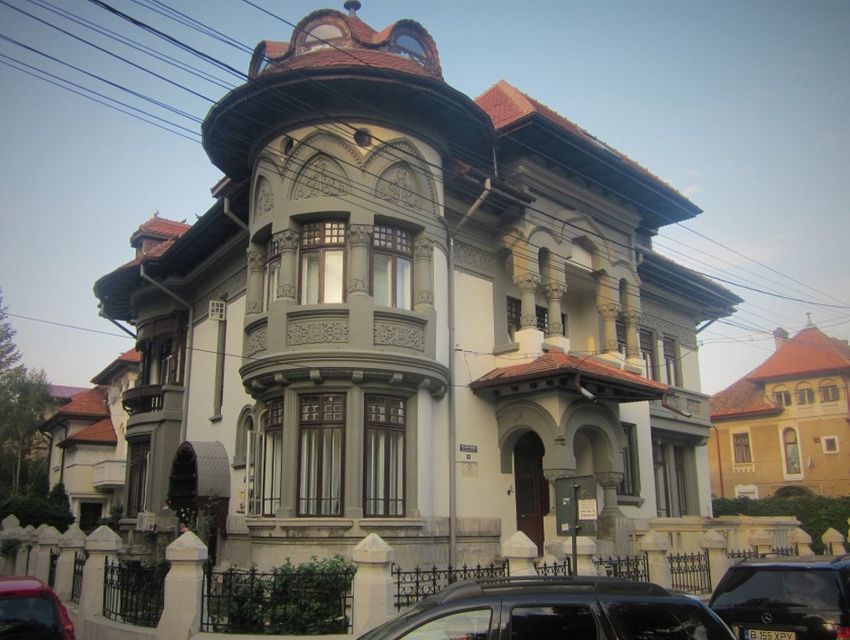
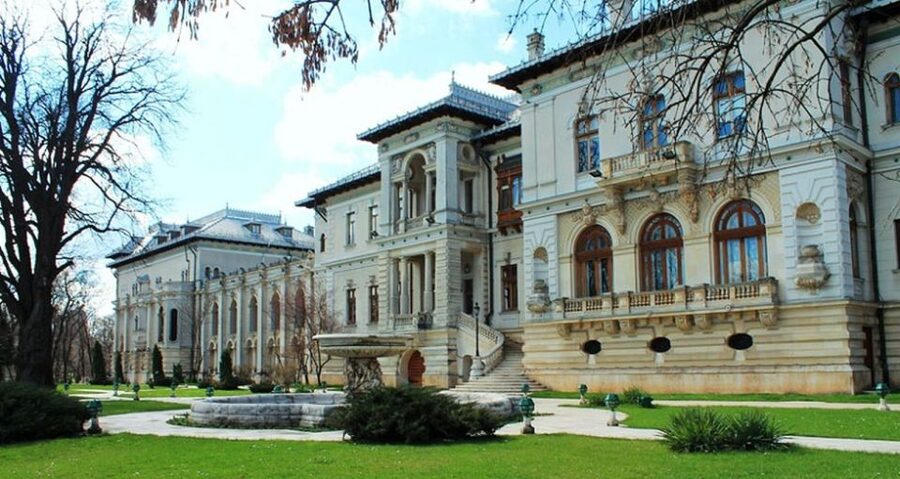
Cotroceni Palace follows, with about 15 minutes for sightseeing and explanation. The surrounding Cotroceni quarter is one of Bucharest’s most attractive residential areas, known for villas and a more affluent character. The tour also points toward the Presidential Palace, the Military Academy building, the Botanical Garden, and older houses.
Cotroceni is where the social theme becomes clear. Rather than treating the neighborhood as a collection of pretty facades, the guide connects its villas and institutions with the bourgeoisie, both in the 19th century and today.
The limited time means you should not expect a full interior visit to Cotroceni Palace. This is an exterior-focused stop with stories and photographs. That works well for a city circuit, but anyone wanting a detailed palace tour will need a separate visit.
La Broscuțe and Drumul Taberei show ordinary Bucharest
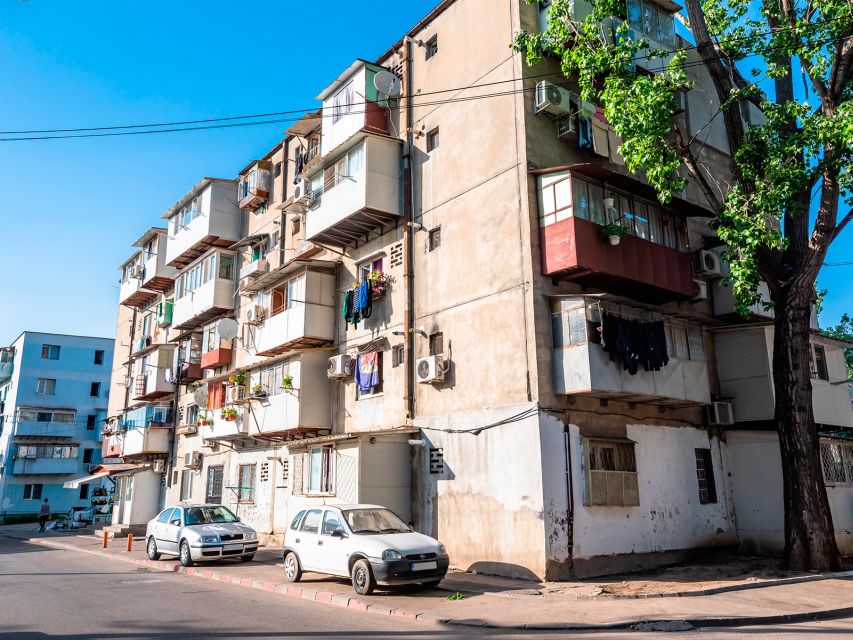
Parcul La Broscuțe is scheduled for about 15 minutes. The park stop breaks up the route and offers another look at a neighborhood setting rather than a major tourist monument.
Then you reach Drumul Taberei, with around 20 minutes for photographs and a guided walk or explanation. Here, the focus shifts to the average Romanian household. The area is associated with huge communist apartment blocks, a peasant market, and Orthodox churches used by local residents.
This part of the route may be the most useful for first-time visitors who want to understand how Bucharest functions beyond the historic center. Apartment blocks can look anonymous from a passing car, but the market, churches, and public spaces help explain daily routines and community life.
I would pay close attention to the guide here. The value is less about checking off a landmark and more about learning how housing, religion, shopping, and public space shape a normal day. The stop is short, so you will get an introduction rather than a full neighborhood walk.
A completely different kind of day out around Bucharest:
- Bucharest: Palace of Parliament Tickets and Guide
★ 4.3 · 3,182 reviews - Bucharest: Day Trip to Dracula Castle, Peles Castle & Brașov
★ 4.4 · 3,049 reviews - Bucharest to Dracula Castle, Peles Castle and Brasov Guided Tour
★ 4.5 · 2,933 reviews - Bucharest: Palace of Parliament Tickets and Guided Tour
★ 4.4 · 1,877 reviews
Rahova and Toporași lead toward Ferentari
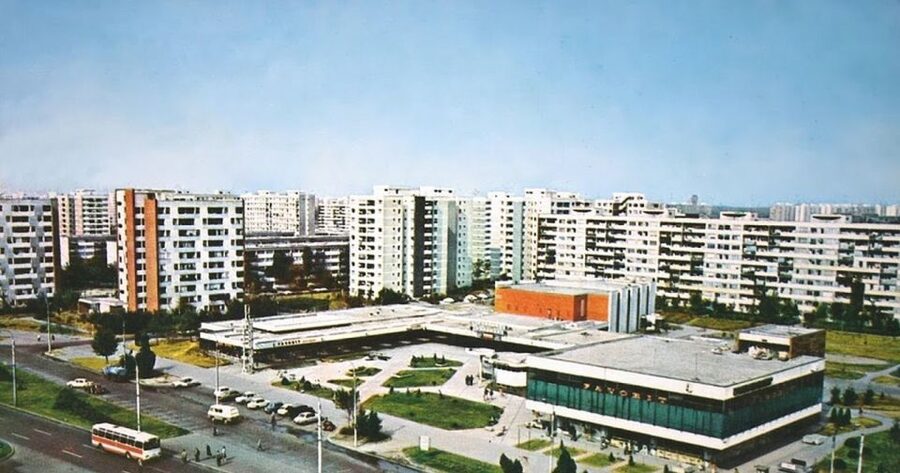
The tour continues through Piața Rahova, where you have about 15 minutes for a photo stop and commentary. Markets and public squares are useful markers of local life, and this stop adds another layer between the apartment-block district and Ferentari.
Strada Toporași receives about 10 minutes. The short timing suggests a focused roadside stop rather than a long walk. It is one of the places where the tour’s visual contrasts become especially clear.
You should keep your camera use thoughtful and follow the guide’s advice. The route is designed to show real communities, not to turn people’s homes or hardships into entertainment. Photographing buildings and streets may be appropriate, but you should avoid treating residents as subjects without permission.
Ferentari offers a difficult but important view
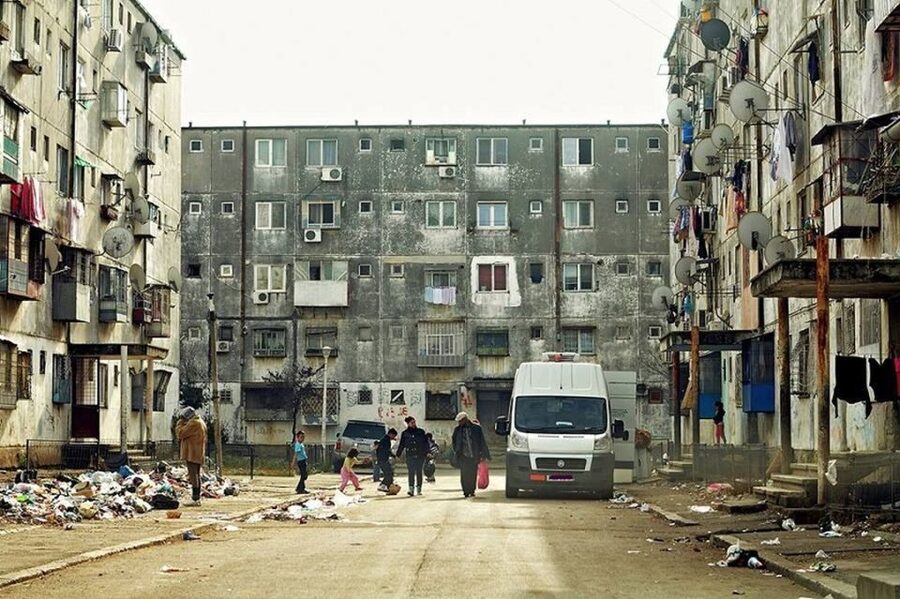
Ferentari is described as one of Bucharest’s poorest areas, with ghetto-style buildings and serious social problems. The tour uses the district to discuss the lives of Romania’s poor and underclasses, including the everyday struggles that are often absent from standard sightseeing routes.
This can be the most memorable part of the experience, but it is also the section that demands the most care. Ferentari is not presented as a cheerful photo stop. You are being asked to look at inequality and housing conditions, and to listen to the guide’s explanation rather than make quick judgments from the car window.
The phrase Machala city is associated with the area in the tour description. You should treat that label as local context, not as a reason to approach the neighborhood carelessly. The right attitude is quiet attention, respect, and a willingness to hear difficult information.
The route does not suggest a long independent walk through Ferentari. That is sensible. You remain with the guide and driver, who can explain what you are seeing and manage the timing. If your idea of a vintage-car tour is mainly elegant streets and cheerful photographs, this section may feel uncomfortable. If you want a fuller picture of Bucharest, it gives the tour much of its purpose.
The Palace of the Parliament closes the circuit
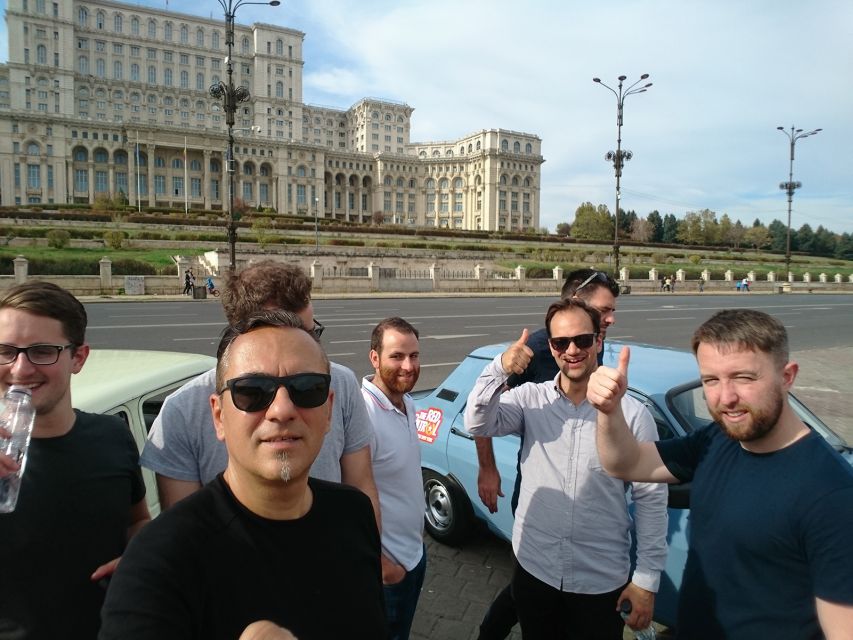
The final major stop is the Palace of the Parliament, with around 20 minutes for sightseeing, photographs, and guided commentary. The building gives the route a powerful visual finish and reconnects the tour with Bucharest’s best-known monumental architecture.
Placed after Cotroceni, Drumul Taberei, Rahova, and Ferentari, the Parliament stop carries extra meaning. You have spent the afternoon looking at how people live in different parts of the city, and now you see one of the clearest symbols of state power and communist-era ambition.
This is an exterior sightseeing stop based on the supplied schedule. Do not assume that the 20 minutes includes an interior visit. If you want to go inside the Palace of the Parliament, arrange that as a separate activity unless your booking details specifically say otherwise.
After this stop, the driver returns you to your Bucharest accommodation. The hotel pickup and drop-off are useful because the route covers several districts and does not leave you searching for a taxi at the end.
What the three-neighborhood idea gets right
The tour’s strongest idea is its structure. Cotroceni, Drumul Taberei, and Ferentari are not simply three random addresses. They are used to discuss three broad social settings: wealthier residents, average working people, and communities facing poverty.
That framework makes the city easier to read. In Cotroceni, villas and major institutions point toward status and political power. In Drumul Taberei, apartment blocks, markets, and churches show a more ordinary urban rhythm. In Ferentari, the guide addresses exclusion and hardship directly.
You should remember that no three neighborhoods can represent every Romanian person. The categories are broad, and the route is an introduction rather than a complete study of Bucharest society. Still, it offers more social context than a standard monument circuit.
The tour also pairs well with a conventional historical city tour. One recent booking described the vintage-car experience as a useful complement to an earlier tour focused on historical aspects. That is a sensible way to plan it: use one tour to understand the major events and buildings, then use this one to see how the city’s social divisions appear on the ground.
Guide quality, comfort, and group size
The guide makes or breaks a tour like this. You are not just being driven between photo stops. You need clear explanations, good judgment, and a respectful way of discussing poverty.
Mihai received especially strong praise for being friendly, well informed, and an excellent driver. That combination matters in a small vintage vehicle, where the guide controls both the conversation and the pace of the ride. The overall experience has received a top rating from the published customer feedback, with particular praise for the guide, the informative approach, and the unusual car.
At 3.5 hours, the timing is long enough to cover the three districts without taking your entire day. The schedule includes several stops of 10 to 30 minutes, so you are not confined to the car the whole time. Even so, this is still a vehicle-based tour with short walks, not a full walking excursion.
The Dacia is heated in winter, but it does not have air conditioning. In summer, dress lightly and be ready for a warm ride. In every season, wear comfortable shoes and avoid bringing large luggage. Pets, smoking, alcohol, drugs, oversize bags, and large luggage are not allowed.
Children under 10 cannot join, and the tour is not suitable for pregnant people, wheelchair users, or people with mobility impairments. These limits are important because of the vintage vehicle, short walking stops, and the nature of the route.
Is $126 per person a fair price?
At $126 per person, this is not the cheapest way to see Bucharest. You are paying for a private guide, a private vehicle, hotel pickup and return, a small group, water, a souvenir, and a carefully focused route through several districts.
The value is strongest for two or three people who want a personal experience and are interested in social history. Three people per vehicle makes the per-person cost easier to justify, especially when you consider the convenience of door-to-door transport and the unusual Dacia.
The price is harder to defend if you mainly want famous sights. Much of the route is viewed from the car, and the short stops do not provide long visits at each location. A standard city tour may cover more monuments for less money.
I would view this as a specialist city experience rather than a basic sightseeing transfer. You pay for access to a particular angle on Bucharest: local neighborhoods, class differences, and a Romanian car with cultural meaning.
Free cancellation up to 24 hours before the start gives you some planning flexibility, and you can reserve now and pay later. Confirmation is normally sent at booking, though bookings made within five days of travel may be confirmed within 48 hours, subject to availability.
Who should book this Bucharest experience?
I would recommend it to you if you have already seen the central monuments or want to understand Bucharest beyond the old town. It suits adults, couples, friends, and small private groups who enjoy conversation, local context, and unusual transport.
It is also a good choice if you want photographs that do not look like standard city-tour pictures. The restored Dacia is instantly distinctive, and the route supplies a mix of villas, blocks, markets, churches, fountains, parks, and monumental government architecture.
You may want to skip it if you need air conditioning, modern suspension, wheelchair access, or a relaxed luxury ride. You should also think carefully about the Ferentari visit. This is not poverty tourism in the sense of a spectacle to consume, and it should not be booked with that attitude.
Final verdict: a revealing ride for curious visitors
Book this tour if you want Bucharest explained through its neighborhoods, not just its postcard buildings. The Dacia 1310 is fun, but the social focus is the real reason to go.
The strongest combination is the private format, the guide’s local commentary, and the sharp contrast between Cotroceni, Drumul Taberei, and Ferentari. The main tradeoffs are the basic car, limited time at each stop, and the serious subject matter.
For a first visit, I would pair it with a more traditional central Bucharest tour. For a return visit, this can be the better choice on its own, especially if you want to see how the city’s past and present appear in ordinary streets.
FAQ
How long does the Bucharest vintage-car tour last?
The tour lasts 3.5 hours, with several sightseeing, photo, and guided stops before returning you to your Bucharest accommodation.
What kind of car is used?
You ride in a fully restored Dacia 1310 from the 1970s or 1980s. Participants are not allowed to drive the car.
How many people can ride in one vehicle?
Three people travel in each vehicle. If your party is larger, a convoy can be arranged.
Does the tour include hotel pickup and drop-off?
Yes. Pickup and drop-off from accommodations in Bucharest are included.
Is air conditioning available in the Dacia?
No. The Dacia does not have air conditioning, ABS, GPS navigation, power steering, or automatic transmission. The cars are heated during winter.
Are children allowed on the tour?
Children under 10 are not allowed to participate.
Is the tour suitable for wheelchair users or people with mobility impairments?
No. The experience is not suitable for wheelchair users or people with mobility impairments. It is also not recommended for pregnant people.
Just added around Bucharest
- 10 hours Private Apiary Tour in Romania – From Bucharest★ 5.0 · 3 reviews
- 4-Day Inside Transylvania & Transfagarasan Tour from Bucharest★ 5.0 · 3 reviews
- Bucharest: Charm of the Belle Époque Private Tour★ 5.0 · 3 reviews
- Bran & Peles Castles through the Best Road in the World: Transfagarasan road★ 4.5 · 3 reviews
- 2-Day Small-Group Tour in Transylvania from Bucharest – Maximum 5 Persons★ 5.0 · 3 reviews
- Private Wine Tasting at Bucharest’s First Wine Bar★ 5.0 · 3 reviews
- Bucharest to Brasov – Fast Private Transfer★ 5.0 · 3 reviews
- Probably the Best Restaurant and Wine Cellar near Bucharest★ 4.5 · 3 reviews
Private, compared.
Castles of Transylvania: Private Day Trip from Bucharest
Read our review →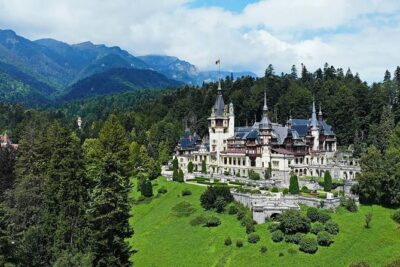
Dracula’s Castle, Peles Castle and Brasov – Private Day Trip from Bucharest
Read our review →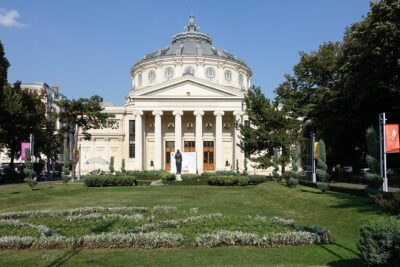
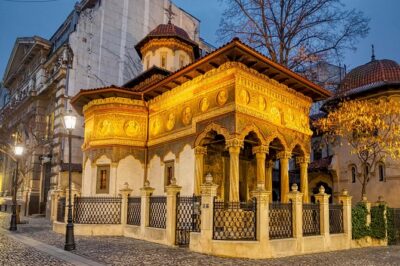
Bucharest Panoramic Sightseeing – Private City Tour
Read our review →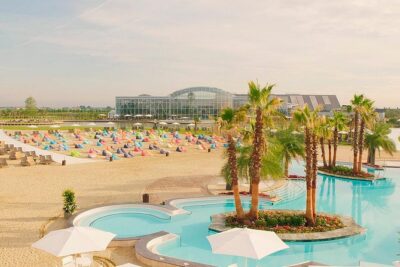
THERME “Take It Easy” Pack: Full Spa Access + Private Transfers
Read our review →
Piatra Craiului National Park Private Hiking Tour from Brasov
Read our review →
4h Bucharest Private Tour (2h by Car and 2h Walking in Old Town)
Read our review →