Reviewed · BUCHAREST TOURS
Best of Romania in 10 Days
Romania rewards the curious road tripper. This 10-day journey connects Bucharest, Transylvania, Bucovina, Moldavia, and the Carpathian Mountains in one well-planned loop, with small groups of no more than eight and nine nights of included hotels. I like the wide reach of the route, and I like that airport transfers, entrance fees, breakfast, transportation, and an English-speaking guide are built into the price.
The main trade-off is pace. You cover a great deal of ground, and several days place four major stops on the schedule. Long road days are part of the bargain, so this suits you best if seeing many regions matters more than lingering in each town.
In This Review
- Five details that shape the experience
- Why this 10-day route works
- Day 1: Curtea de Arges, Transfagarasan, and Sibiu
- Day 2: Corvin Castle, Alba Iulia, Turda, and Cluj
- Day 3: Bistrita and the blue of Voronet
- Day 4: Moldovita, Sucevita, and Iasi
- Day 5: Neamt Fortress and Piatra Neamt
- Day 6: Red Lake, Corund, Biertan, and Sighisoara
- Day 7: Viscri and Brasov
- Day 8: Bran Castle, Peles Castle, and Bucharest
- Day 9: Palace of Parliament and the Village Museum
- Day 10: Airport transfer and the practical details
- Who should book this Romania tour?
- Should you book Best of Romania in 10 Days?
- FAQ
- Where does the tour begin?
- How many people can join the group?
- How many hotel nights are included?
- Is breakfast included?
- Is dinner included?
- Is transportation included?
- Are entrance fees included?
- Is the tour offered in English?
- What happens if I need a single room?
Five details that shape the experience
- A true cross-country route: You visit Wallachia, Transylvania, Bucovina, Moldavia, and Bucharest rather than staying in one corner of Romania.
- Maximum eight people: The group is small enough for a more personal road-trip feel than a large coach tour.
- Nine included hotel nights: Centrally located accommodation and nine breakfasts make the trip easier to plan.
- Unusual sights beyond castles: Turda Salt Mine, Red Lake, painted monasteries, pottery traditions, and the Village Museum add variety.
- A demanding but efficient schedule: Most sightseeing stops last about an hour, with substantial driving between them.
- Guide Emil receives special praise: His historical knowledge, local traditions, humor, and driving were singled out as major strengths.
Why this 10-day route works
Romania is not a country you can understand from Bucharest alone. The country’s most memorable places are spread across mountain passes, medieval towns, fortified villages, and rural districts. This tour handles the awkward geography for you.
You begin in Bucharest and travel northwest to Curtea de Arges and Sibiu. From there, the route reaches Corvin Castle, Alba Iulia, Cluj-Napoca, Bucovina, Iasi, Piatra Neamt, Sighisoara, Brasov, Bran, Sinaia, and finally Bucharest again.
That route gives you a useful mix of grand sights and smaller cultural encounters. You see royal castles, medieval fortifications, Orthodox monasteries, Saxon towns, communist-era architecture, and traditional village buildings. The variety is the strongest reason to book it.
The small group also matters. A maximum of eight people means the vehicle should feel less anonymous, and the guide has a better chance of answering individual questions. Departures operate with at least two confirmed people, so the tour can run without needing a large crowd.
Still, do not confuse efficient with leisurely. The schedule is designed to show you Romania, not to give you long, unstructured afternoons in every town.
A few more trips worth weighing up before you book
- Bucharest: Dracula’s Castle, Peles Castle, & Brasov Old Town
★ 4.5 · 17,858 reviews - Bucharest: Dracula Castle, Peles Castle & Brasov Old Town
★ 4.6 · 10,891 reviews - Bucharest: Dracula’s Castle, Peleș Castle & Brașov Day Trip
★ 4.5 · 5,919 reviews
Day 1: Curtea de Arges, Transfagarasan, and Sibiu
Pickup begins at your Bucharest hotel at 9:00 a.m. The first stop is Curtea de Arges Monastery, built between 1512 and 1517. It was erected during the period when Curtea de Arges served as the historical capital of Wallachia, and it remains one of the country’s key religious and royal monuments.
The monastery is linked to the Romanian legend of Manole, a builder whose work could not become lasting without sacrifice. You do not need to know the full story beforehand. The guide’s explanation helps connect the building to Romanian folklore and the country’s ideas about creation, devotion, and sacrifice.
The monastery is also the burial place of several members of Romania’s royal family. One hour is enough for a focused visit, though you may wish you had extra time for a slower look.
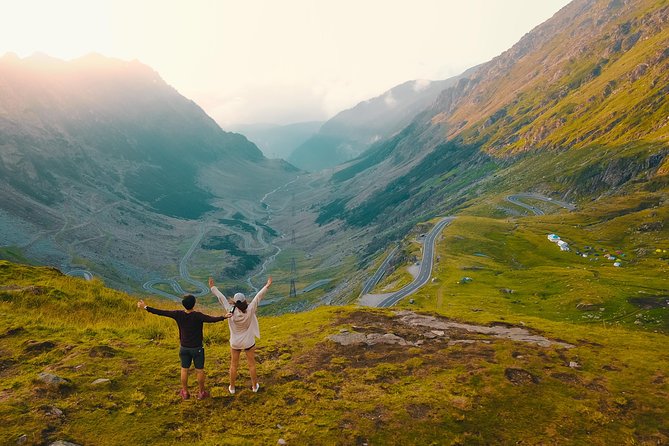
Next comes the Transfagarasan Highway, the road that crosses the Southern Carpathians through the Fagaras Mountains. It reaches 2,042 meters and is one of the visual highlights of the entire trip.
The scheduled stop is about an hour, mainly for views and photographs. The road itself is the attraction, so weather and road conditions may shape what you see. This is also an early reminder that the tour is as much about moving through Romania as it is about checking off monuments.
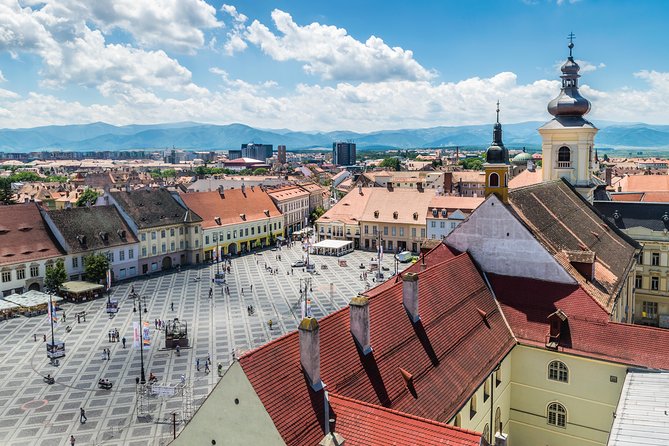
You finish the day in Sibiu, a medieval city with more than 900 years of history. A walking tour takes you through the Historic Center and Big Square, known locally as Piata Mare.
Sibiu is a strong first-night stop because it gives you a compact introduction to Transylvanian architecture and city life. It is also known for its summer International Theatre Festival and winter Christmas Market. You will check into a central hotel after the walking tour.
Day 2: Corvin Castle, Alba Iulia, Turda, and Cluj
Day two begins early, and it is one of the busiest stretches of the tour. Your first stop is Corvin Castle in Hunedoara, also called Hunyad Castle after John Hunyadi.
This is one of Romania’s largest castles, with a striking medieval appearance and a strong connection to Transylvanian political history. The one-hour visit gives you time to explore the main areas and hear about the people connected with the castle. If you love dramatic architecture, this is likely one of your favorite stops.
Alba Iulia follows. The Alba Carolina Fortress was built between 1715 and 1738 in the Vauban style, using the labor of more than 20,000 Romanian peasants. The fortress is tied to the union of Transylvania with Romania, one of the major events in the country’s national story.
The visit helps explain why Alba Iulia carries such symbolic weight. It is not simply an old military complex. It is a place where architecture and national identity meet.
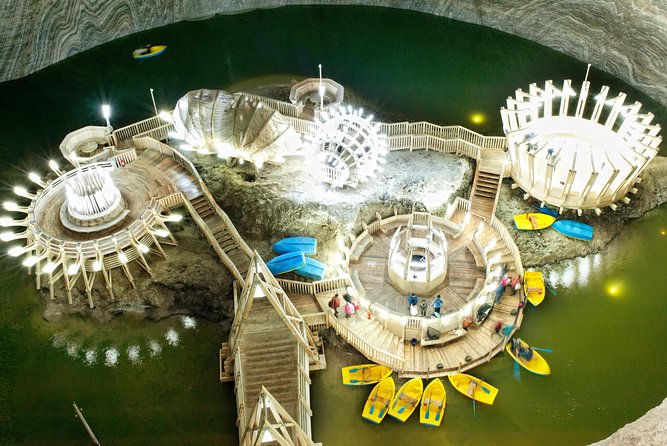
Then you head underground at Turda Salt Mine. With 13 underground floors, the mine includes a Ferris wheel, mini-golf course, tennis court, and lake. It is an unexpectedly playful attraction inside a former industrial site.
Turda brings welcome variety after two castles and fortresses. At about an hour, the visit is more of a vivid introduction than a full exploration. If enclosed spaces bother you, note the nature of the attraction before booking.
The day ends in Cluj-Napoca, Transylvania’s largest city and a major student center. You take a walking tour through the Old City Center, then have free time near your hotel for cafes and bohemian restaurants.
That free time is valuable. After a packed sightseeing day, Cluj gives you a chance to choose your own meal and see a more modern side of Romania.
Day 3: Bistrita and the blue of Voronet
You leave Transylvania for Bucovina, with a stop in Bistrita along the way. The city sits near the Bargau Mountains and the road through Pasul Tihuta, which links Transylvania and Bucovina.
Bistrita also appears in the Dracula story. Bram Stoker’s character Jonathan Harker stayed in the area before meeting Count Dracula. The tour uses that literary connection as a light thread rather than making the entire day about horror fiction.
You will take a short sightseeing walk and stop at a local bakery to taste regional products. That bakery visit is one of the trip’s small but useful touches. Food gives you a more direct connection to local life than another viewpoint or monument.
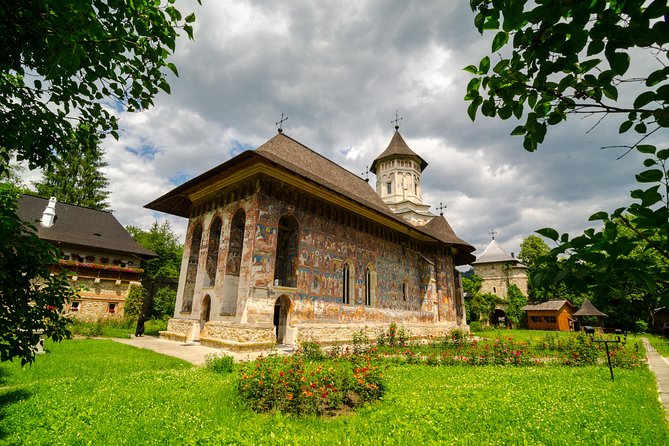
The main sight is Voronet Monastery, built in 1488. It is one of Bucovina’s eight UNESCO Painted Monasteries and is famous for its distinctive blue pigment, often called the Blue of Voronet.
The exterior paintings are the reason to come. Biblical scenes cover the walls, and the blue shade gives the monastery an identity unlike anything else on the route. Your visit lasts about an hour, followed by a traditional Romanian dinner at the hotel.
This is an important cultural shift. You have moved from medieval urban centers and castles into a region known for painted religious buildings and local customs.
A completely different kind of day out around Bucharest:
- Bucharest: Palace of Parliament Tickets and Guide
★ 4.3 · 3,182 reviews - Bucharest: Day Trip to Dracula Castle, Peles Castle & Brașov
★ 4.4 · 3,049 reviews - Bucharest to Dracula Castle, Peles Castle and Brasov Guided Tour
★ 4.5 · 2,933 reviews - Bucharest: Palace of Parliament Tickets and Guided Tour
★ 4.4 · 1,877 reviews
Day 4: Moldovita, Sucevita, and Iasi
Bucovina receives more attention on day four with visits to Moldovita and Sucevita monasteries.
Moldovita was built between 1532 and 1537 and became part of the UNESCO World Heritage listing in 1993. Like Voronet, it is valued for its painted exterior and religious art, but each monastery has its own layout, colors, and visual character.
Sucevita dates from 1585. Local legend says that a woman transported the building materials by ox cart to redeem her sins. Stories like this make the monuments easier to remember and show how local folklore remains tied to religious places.
Seeing several painted monasteries is rewarding, but there is a possible downside. If you are not especially interested in religious art, the repeated format may feel similar by the third visit. The guide’s explanations will make the differences clearer.
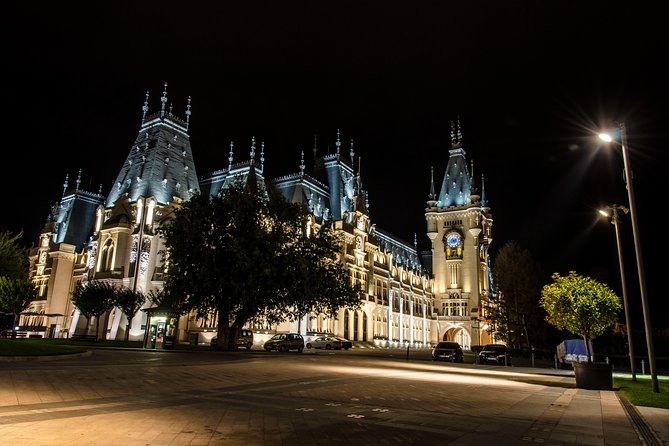
In the evening, you reach Iasi, Romania’s second-largest city and the birthplace of many Romanian cultural and political figures. A short tour introduces the Historic Center before you check into the hotel.
Iasi is a welcome urban pause after two days of rural roads and monasteries. The schedule gives you an introduction rather than an extended city stay, so plan to use any free evening time well.
Day 5: Neamt Fortress and Piatra Neamt
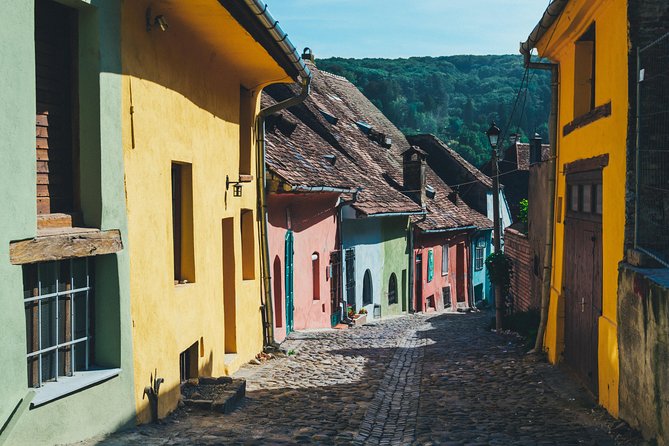
From Iasi, the route heads to Targu Neamt and Neamt Citadel. The fortress was built during the reign of Peter I, between 1375 and 1391.
Neamt offers another look at medieval Moldavia, this time through defense and military architecture rather than painted churches. The one-hour visit keeps the day lighter than day two, though you still spend much of the time on the road.
You reach Piatra Neamt in the evening and take a cable car ride before checking into the hotel. The ride is included as an activity, but no admission fee is listed for it.
This day functions as a bridge between Moldavia and the return toward Transylvania. It has fewer headline attractions, which may be welcome after the dense schedule earlier in the trip.
Day 6: Red Lake, Corund, Biertan, and Sighisoara
Day six takes you through the Bicaz Gorges toward Red Lake. The lake formed in 1837 after storms caused part of Mount Ucigasu to collapse and block several streams.
The reddish deposits in the area gave the lake its name. The stop lasts about an hour, allowing time to take in the setting and hear the geological story.
You then visit Corund, a major pottery center in Transylvania. The village is also known for woodworking and local trade. Clay for the pottery comes from a nearby stream.
The itinerary identifies a local church visit in Corund, along with the area’s craft traditions. This stop is useful because it shifts attention from grand monuments to working rural culture. You see how a local material, in this case clay, supports a long-standing craft economy.
Next comes Biertan Fortified Church, one of the UNESCO Villages with Fortified Churches of Transylvania. Saxon colonists settled here in the 13th century, helped by soil suited to winemaking.
Biertan shows how settlement, farming, religion, and defense fit together in historic Transylvanian villages. The fortified church is not just a photogenic stop. It reflects the needs of a community that protected itself around a central religious building.
The final stop is Sighisoara, built by Saxon colonists in the 12th century. Its citadel is often described as the last inhabited citadel in Europe, and it is listed as a UNESCO World Heritage site.
Sighisoara is one of the most atmospheric places on the route, but your timing matters. Arriving at the end of a four-stop day means you may have limited energy for a long wander. Stay focused during the walking tour, and use any spare time for the main historic streets.
Day 7: Viscri and Brasov
Viscri offers a quieter view of Transylvania. The village became especially associated with Prince Charles, who admired its simplicity and the way local traditions were preserved.
You visit the fortified church and meet local women known for their cooking skills. That human contact gives the day a more personal feel than a standard monument tour. It also helps balance the grand castles and city centers with a village setting.
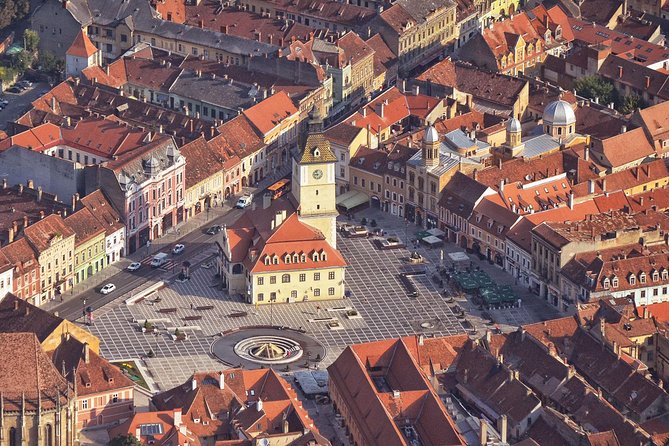
You then continue to Brasov, one of central Romania’s best-known cities. The short walking tour introduces the Historic Center, giving you a useful orientation before the next day’s castle visits.
Brasov is a place where more time would be welcome. The tour gives you a taste of the city, but the schedule does not promise a full day for museums, shopping, or long restaurant meals.
Day 8: Bran Castle, Peles Castle, and Bucharest
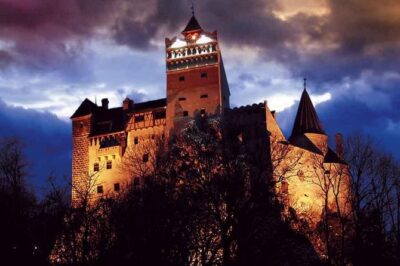
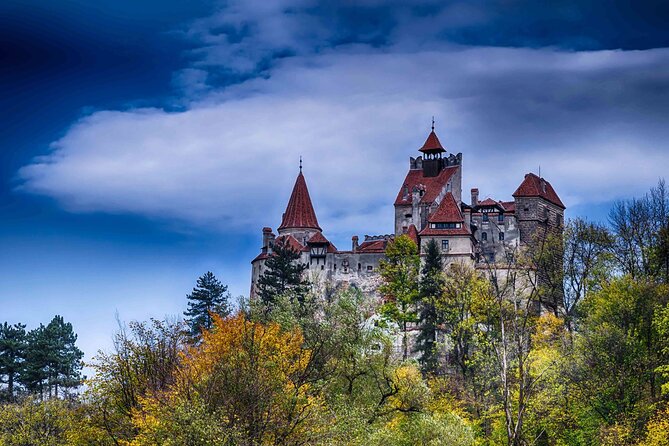
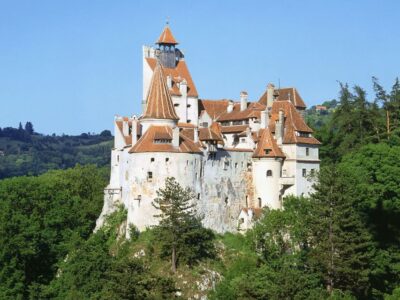
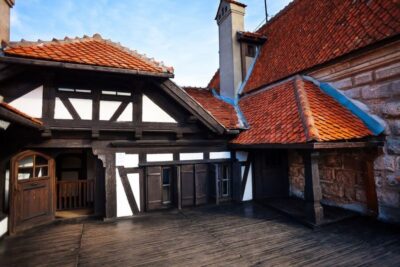
Bran Castle is about 30 minutes from Brasov. It has more than six centuries of history and is widely marketed as Dracula’s Castle because of its connection to Bram Stoker’s fictional character.
The guide will explain the difference between the real Vlad the Impaler and the Dracula of the novel. That distinction matters. Bran Castle’s fame rests heavily on the Dracula story, but the building’s actual history deserves attention too.
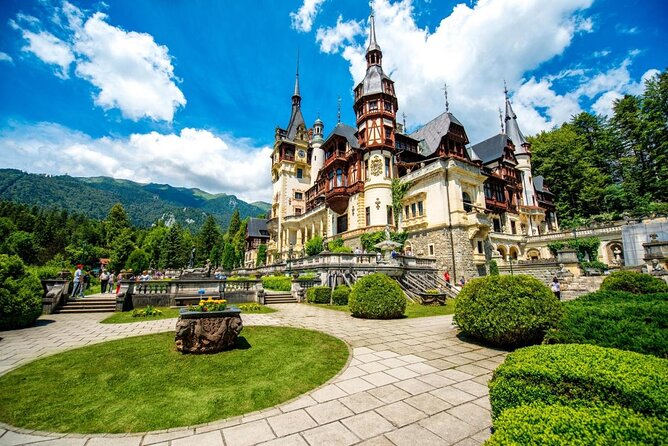
You spend about an hour at the castle before heading to Sinaia and Peles Castle. Peles was the first fully electrified castle in Europe and contains 160 rooms and more than 30 bathrooms. Its collections include more than 4,000 European and Oriental weapons, along with a large group of paintings.
Peles is a high point for people who enjoy royal interiors and decorative arts. It contrasts nicely with Bran, which feels more defensive and medieval. After Sinaia, you return to Bucharest for the night.
Day 9: Palace of Parliament and the Village Museum
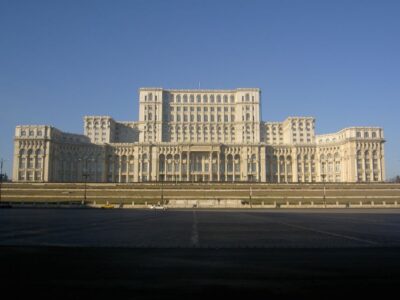
The final full sightseeing day focuses on Bucharest. You begin at the Palace of Parliament, also called the People’s House.
The building was part of Nicolae Ceausescu’s communist-era redevelopment project. It was designed to house state institutions and to function as a secure structure capable of withstanding earthquakes and nuclear attack. Its size and political story make it one of Bucharest’s most striking sights.
Afterward, you have free time for lunch in the Old Town. This break matters because it gives you a chance to choose your own food after several included breakfasts and one included dinner.
The final visit is the Bucharest Village Museum, opened in 1936. Its 14 hectares contain 380 monuments, 60,000 traditional objects, and more than 250,000 archived documents connected to Romanian village life.
The museum gives the trip a fitting final chapter. After seeing Romania’s cities, castles, and monasteries, you can look at traditional homes and rural design in one place.
Day 10: Airport transfer and the practical details
On day ten, you are transferred to Otopeni Airport according to your flight schedule. Airport pickup at the beginning and airport drop-off at the end are included.
The package also covers nine hotel nights, nine breakfasts, one dinner, transportation in a modern vehicle, entrance fees, and a professional English-speaking guide. Airline tickets, travel insurance, other meals, alcohol, photography fees, room service, drinks, personal calls, and souvenirs cost extra.
The price is $2,907.69 per person based on two people sharing a double room. A single-room supplement applies if you do not share.
At that price, this is not a bare-bones road trip. You are paying for a long route, a private-feeling group size, hotels, driving, admissions, and planning. I see the value most clearly if you have only ten days and would otherwise need to arrange several hotels, intercity transfers, and timed visits yourself.
The value is weaker if you prefer to travel slowly, choose your own restaurants every night, or spend several days in one city. Meals beyond breakfast and the listed dinner are not included, so you should budget separately for lunches, most dinners, drinks, and personal spending.
Who should book this Romania tour?
I would recommend it to first-time visitors who want a broad introduction to Romania without renting a car or managing a complicated route. It is also a good fit if castles, monasteries, history, traditional villages, and mountain roads all appeal to you.
A moderate fitness level is required. You should be comfortable with regular walking and full sightseeing days, and you should expect several hours of road travel on certain dates.
The tour may be less suitable if you dislike early starts, repeated one-hour visits, or a tightly arranged schedule. Age differences and varying ability levels can affect the group’s pace, so the provider suggests a private tour for people who need a more tailored experience.
The strongest guide experience is associated with Emil, whose history, local traditions, jokes, and driving were praised. If he is leading your departure, his mix of storytelling and road skill could add a lot to the trip.
Free cancellation is available up to 24 hours before the start time. The tour is offered in English, and confirmation is provided when you book.
Should you book Best of Romania in 10 Days?
Book it if your priority is seeing as much of Romania as possible in one carefully connected trip. The route reaches places that are difficult to combine on your own, and the group limit of eight keeps the experience from feeling like a large bus excursion.
Skip it if you want long stays in Bucharest, Brasov, Sibiu, or Sighisoara. You will see many important places, but you will not have unlimited time in any of them.
For a first visit, I think the balance is strong: famous castles, lesser-known villages, dramatic roads, religious art, traditional food, and a useful look at communist-era Bucharest. Just book it with the right expectation. This is a fast-moving survey of Romania, not a slow holiday in one region.
FAQ
Where does the tour begin?
The tour begins with pickup from any hotel in Bucharest at 9:00 a.m.
How many people can join the group?
The maximum group size is eight people.
How many hotel nights are included?
Nine nights of centrally located hotel accommodation are included.
Is breakfast included?
Yes. Nine breakfasts are included.
Is dinner included?
One dinner is included, specifically the traditional Romanian dinner scheduled during the Bucovina portion of the trip.
Is transportation included?
Yes. Transportation in a modern vehicle is included, along with airport pickup and drop-off.
Are entrance fees included?
Entrance fees listed for the itinerary are included. The cable car ride in Piatra Neamt is listed as having no admission fee.
Is the tour offered in English?
Yes. A professional English-speaking guide is included.
What happens if I need a single room?
The listed price is based on two people sharing a double room. A single-room supplement is required if you want your own room.
Just added around Bucharest
- 10 hours Private Apiary Tour in Romania – From Bucharest★ 5.0 · 3 reviews
- 4-Day Inside Transylvania & Transfagarasan Tour from Bucharest★ 5.0 · 3 reviews
- Bucharest: Charm of the Belle Époque Private Tour★ 5.0 · 3 reviews
- Bran & Peles Castles through the Best Road in the World: Transfagarasan road★ 4.5 · 3 reviews
- Private Wine Tasting at Bucharest’s First Wine Bar★ 5.0 · 3 reviews
- 2-Day Small-Group Tour in Transylvania from Bucharest – Maximum 5 Persons★ 5.0 · 3 reviews
- Probably the Best Restaurant and Wine Cellar near Bucharest★ 4.5 · 3 reviews
- Bucharest to Brasov – Fast Private Transfer★ 5.0 · 3 reviews
Bucharest Tours, compared.
Dracula’s Castle, Peles Castle, & Brasov Old Town
Read our review →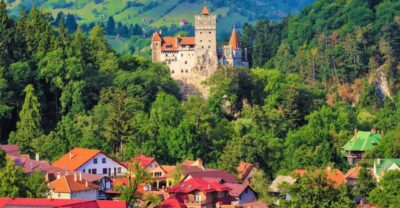
Dracula Castle, Peles Castle & Brasov Old Town
Read our review →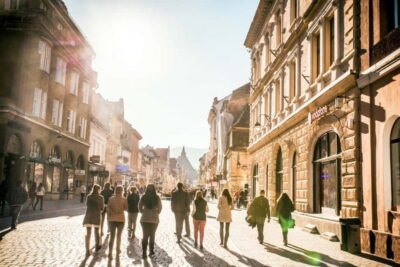
Dracula’s Castle, Peleș Castle & Brașov Day Trip
Read our review →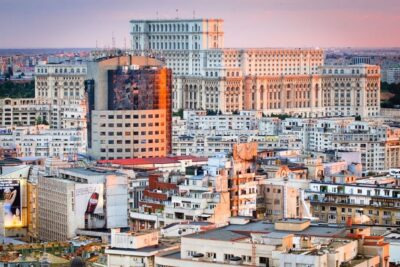
Day Trip to Dracula Castle, Peles Castle & Brașov
Read our review →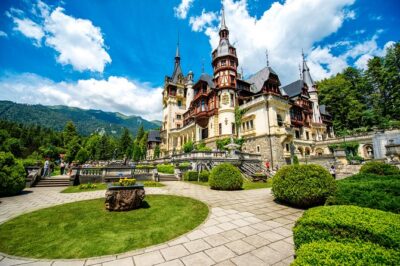
Bucharest to Dracula Castle, Peles Castle and Brasov Guided Tour
Read our review →